Our projects
Belgian living heritage
Conserving old Belgian breeds: the Tournaisis bantam and the Bassette.
en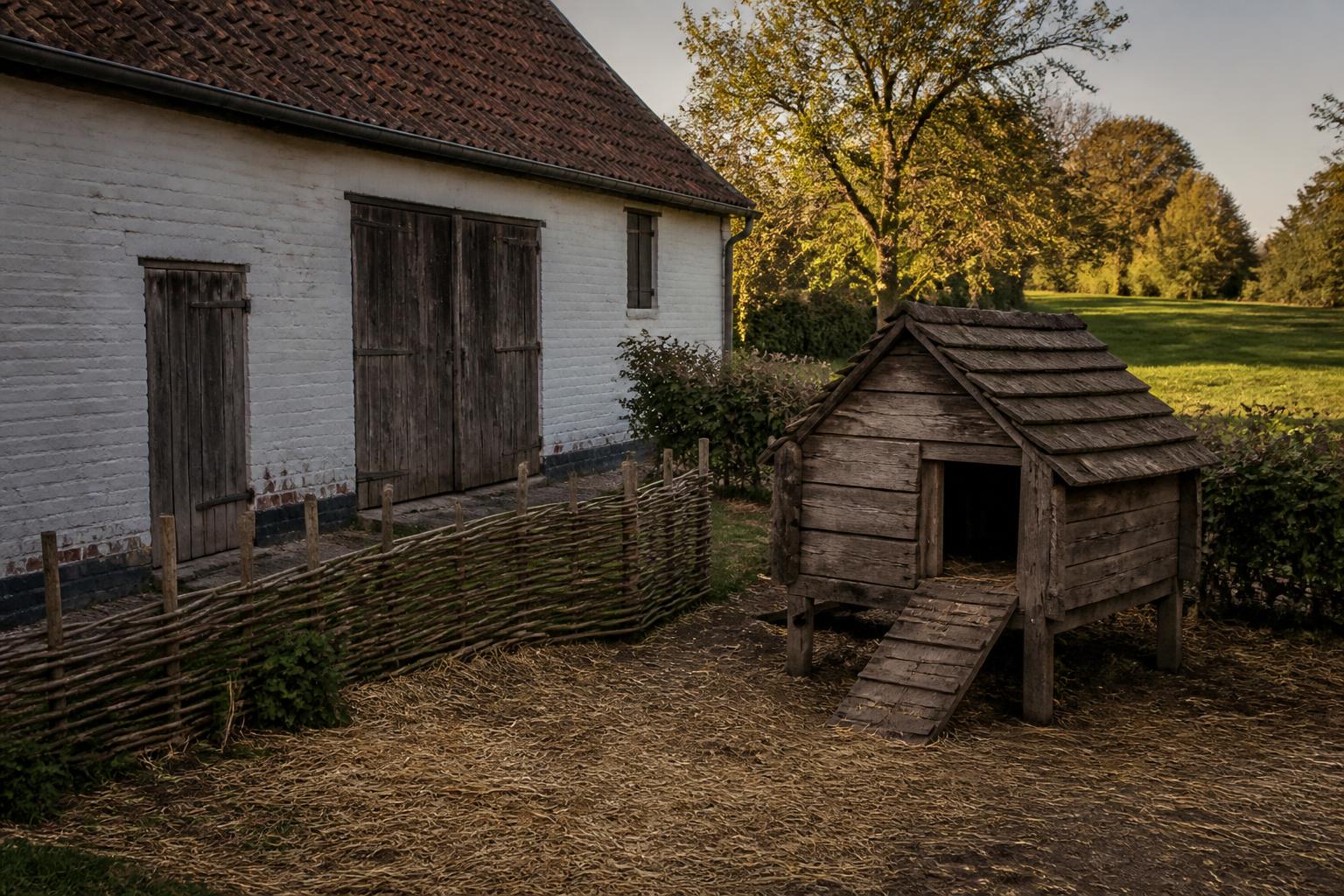
Some pieces of heritage are still alive.
When people think of heritage, they spontaneously think of castles, churches or historic buildings. But Belgium also possesses another kind of heritage. Living heritage.
Animal breeds developed by farmers over generations, forming part of our rural history.
Several of these breeds have become rare today. Not because they are less valuable, but because modern agriculture increasingly focuses on specialised, highly productive breeds.
KURBI wants to contribute to the preservation of this living heritage.
Biodiversity is more than wild nature
When biodiversity is discussed, people often think of forests, flowers or wild animals. But biodiversity encompasses much more. The genetic diversity of farm animals also forms an important part of our natural and cultural heritage.
Traditional poultry-yard breeds tell the story of centuries of agricultural history. They show how people and nature developed together.
Preserving them therefore also means preserving knowledge, traditions and genetic diversity for future generations.
Why does KURBI choose Belgian poultry-yard breeds?
Because they fit perfectly with the philosophy of the project. After all, KURBI does not want to invest only in nature. We want to invest in the entire landscape. And that landscape has been shaped for centuries by agriculture. Belgian chicken breeds are an inseparable part of that.
Their presence also gives visitors the chance to become acquainted with animals they would otherwise rarely see. In this way, biodiversity also becomes a story.
Discover our Belgian breeds
Within KURBI, several special Belgian poultry-yard breeds are given a place.
Each breed has its own history, character and special characteristics.
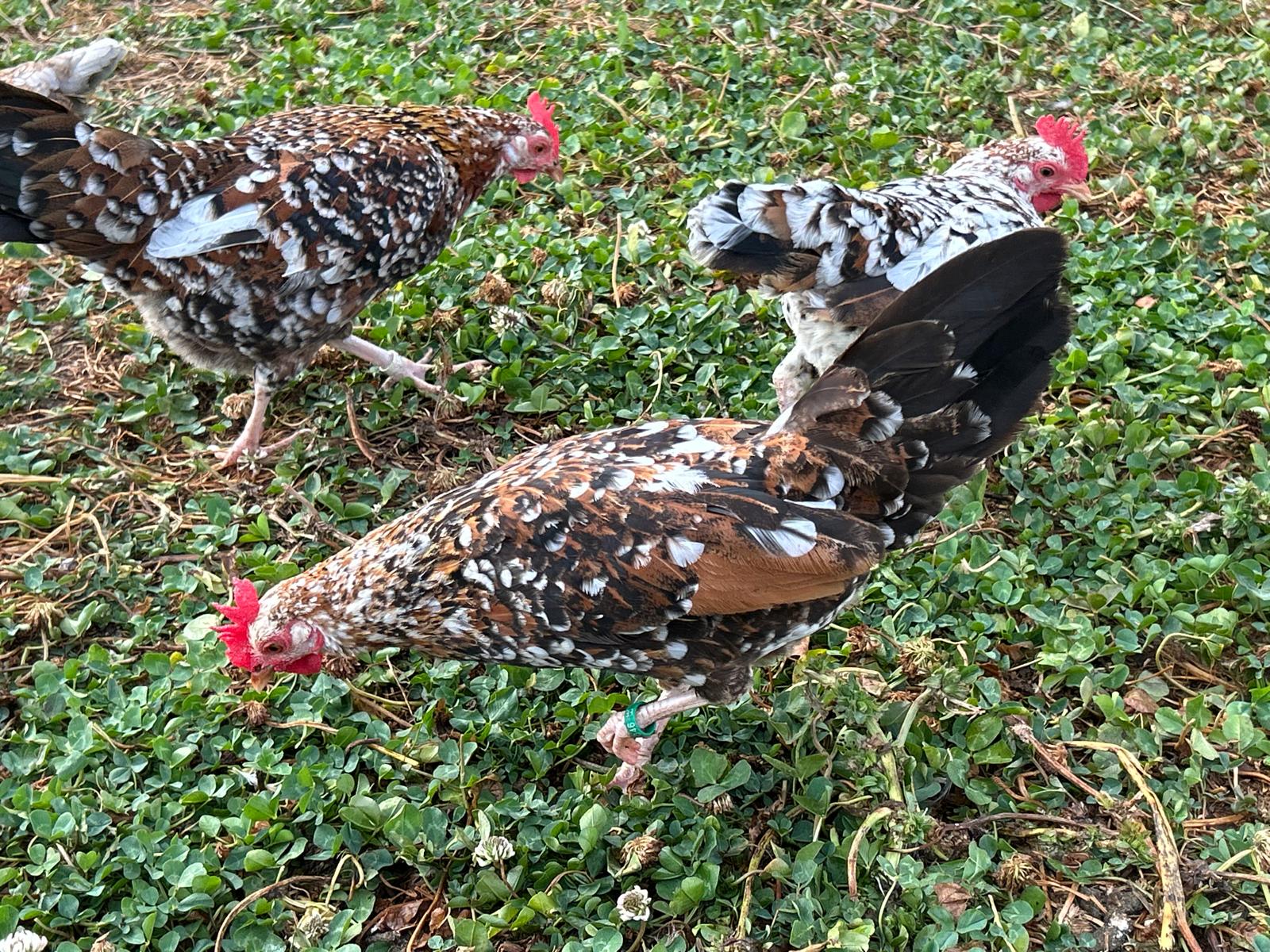
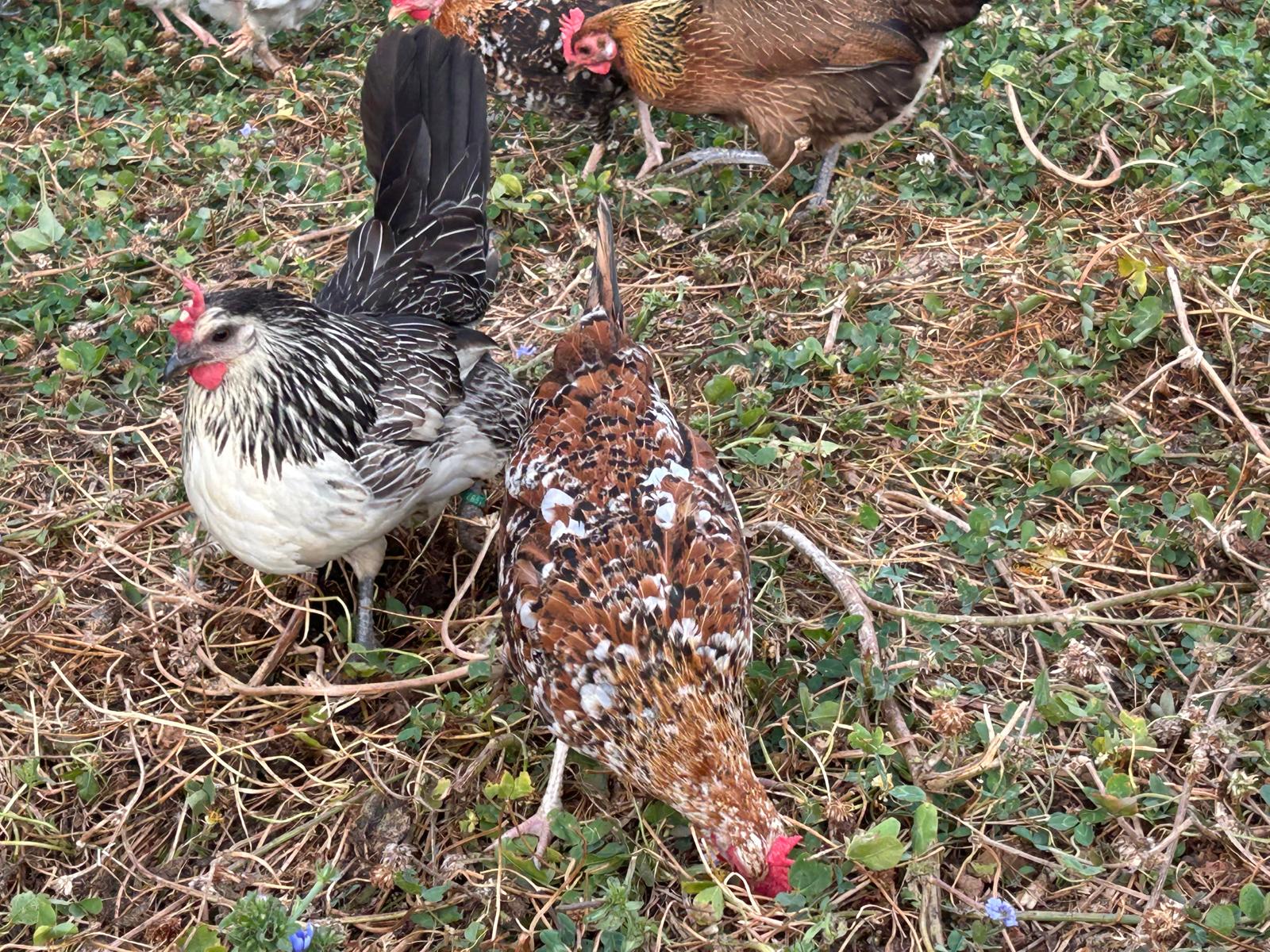
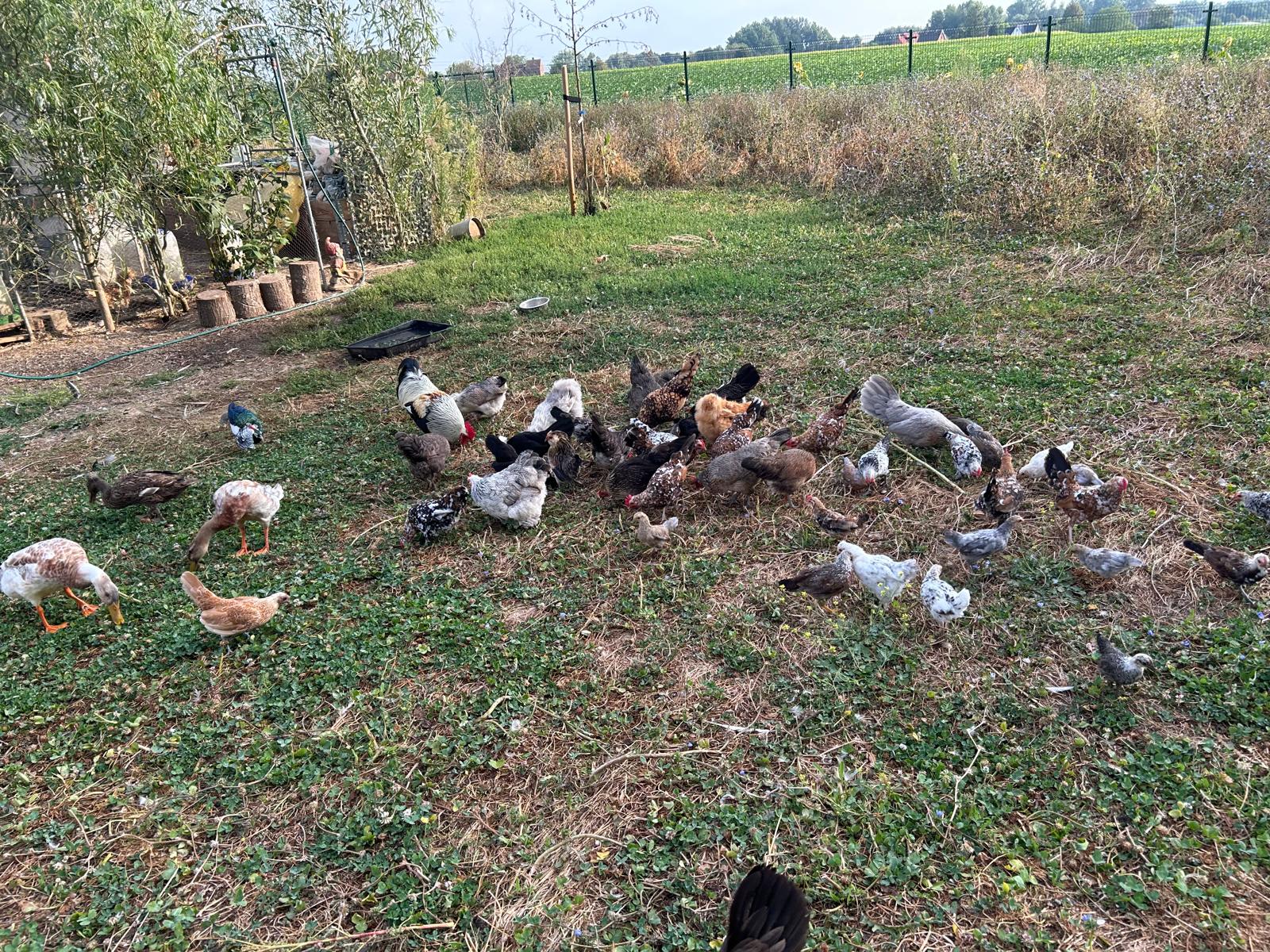
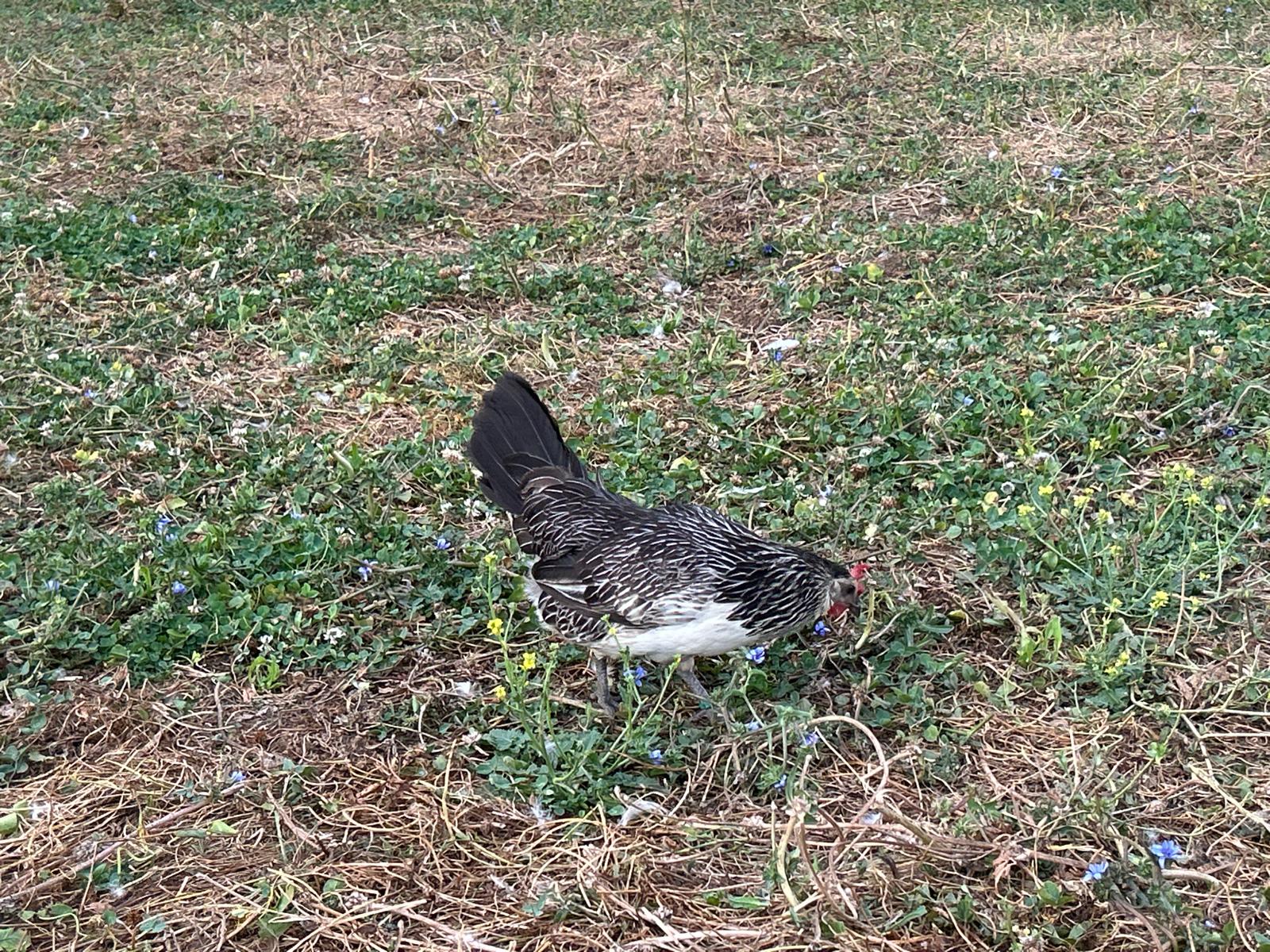
Doornikse Kriel: Elegant. Lively. An authentic Belgian breed with a rich history. The Doornikse Kriel is among the oldest Belgian chicken breeds and deserves special attention.
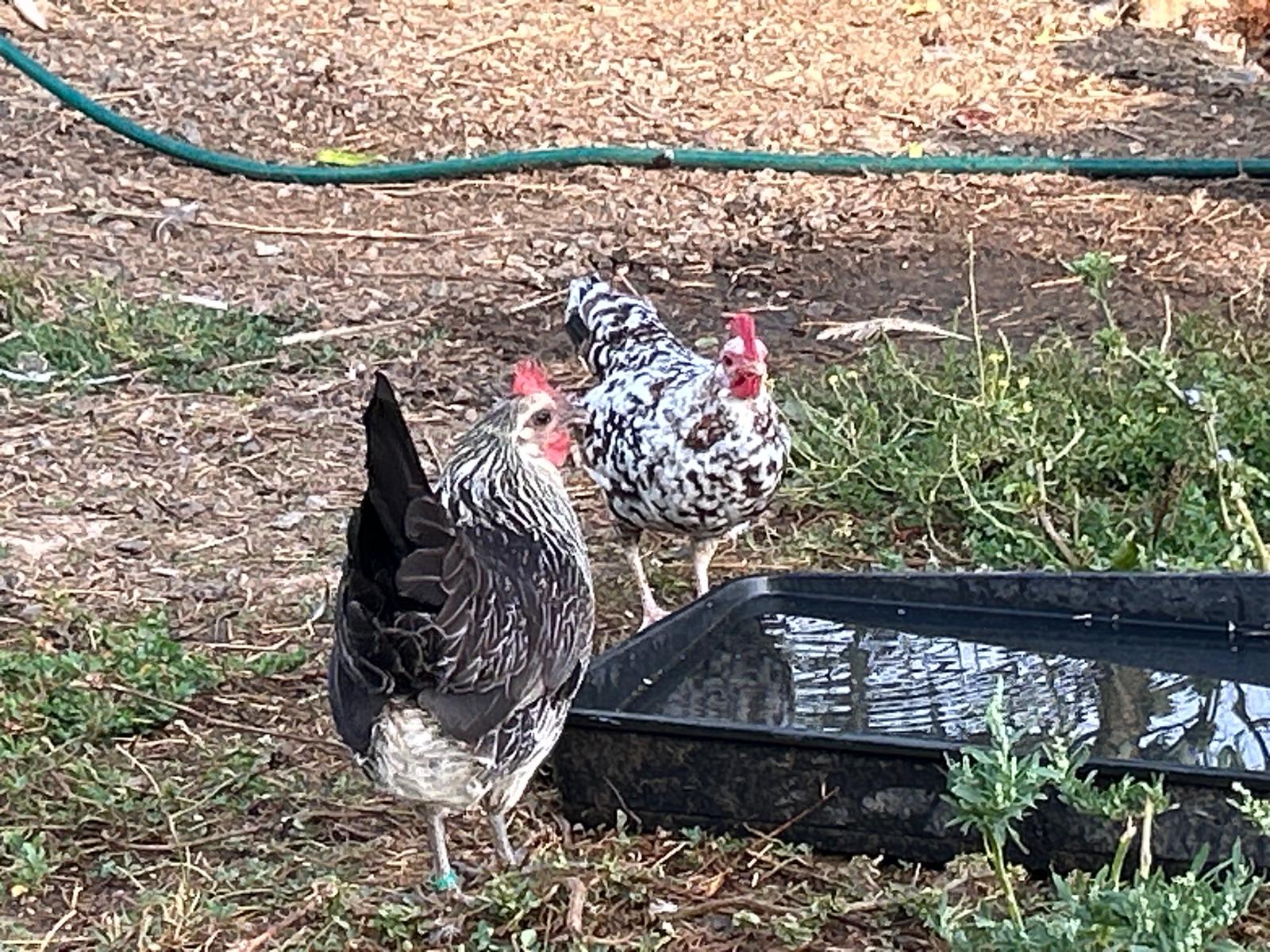
Bassette: A calm and highly characterful breed that today is kept only on a limited scale.
A living story
During a walk, visitors discover not only flowers and birds. They also meet living animals. Children spontaneously stop to look. Parents tell stories. Photographers take pictures. People learn to look anew at animals that used to be common. That makes biodiversity tangible.
Our care for the animals
At KURBI, animal welfare is central. The poultry-yard breeds receive suitable care, feed and daily monitoring. Their presence within the project is entirely dedicated to respect for the animal and the preservation of the breed.
How does your business support this heritage?
By becoming a biodiversity partner, your business helps with daily care; quality housing; feed; veterinary follow-up if needed; and the preservation and visibility of these special Belgian breeds.
In this way, your business contributes not only to biodiversity, but also to the preservation of a piece of Belgian history.
Why does this fit within KURBI?
Because biodiversity is not only about species richness. It is also about connection. Connection between people and nature. Between the past and the future. Between agriculture and society. Belgian poultry-yard breeds remind us that sustainability does not always start with something new. Sometimes it starts with preserving what is valuable.
Frequently asked questions
Why does KURBI specifically choose Belgian breeds?: Because they form part of our agricultural heritage and contribute to the genetic diversity of traditional poultry-yard animals.
Can visitors see the animals?: Yes, at the designated locations, visitors can observe the animals with respect for their rest and welfare.
Are these production animals?: No. Within KURBI, the emphasis is on preserving the breed, animal welfare, biodiversity and raising awareness.
A heritage that still lives
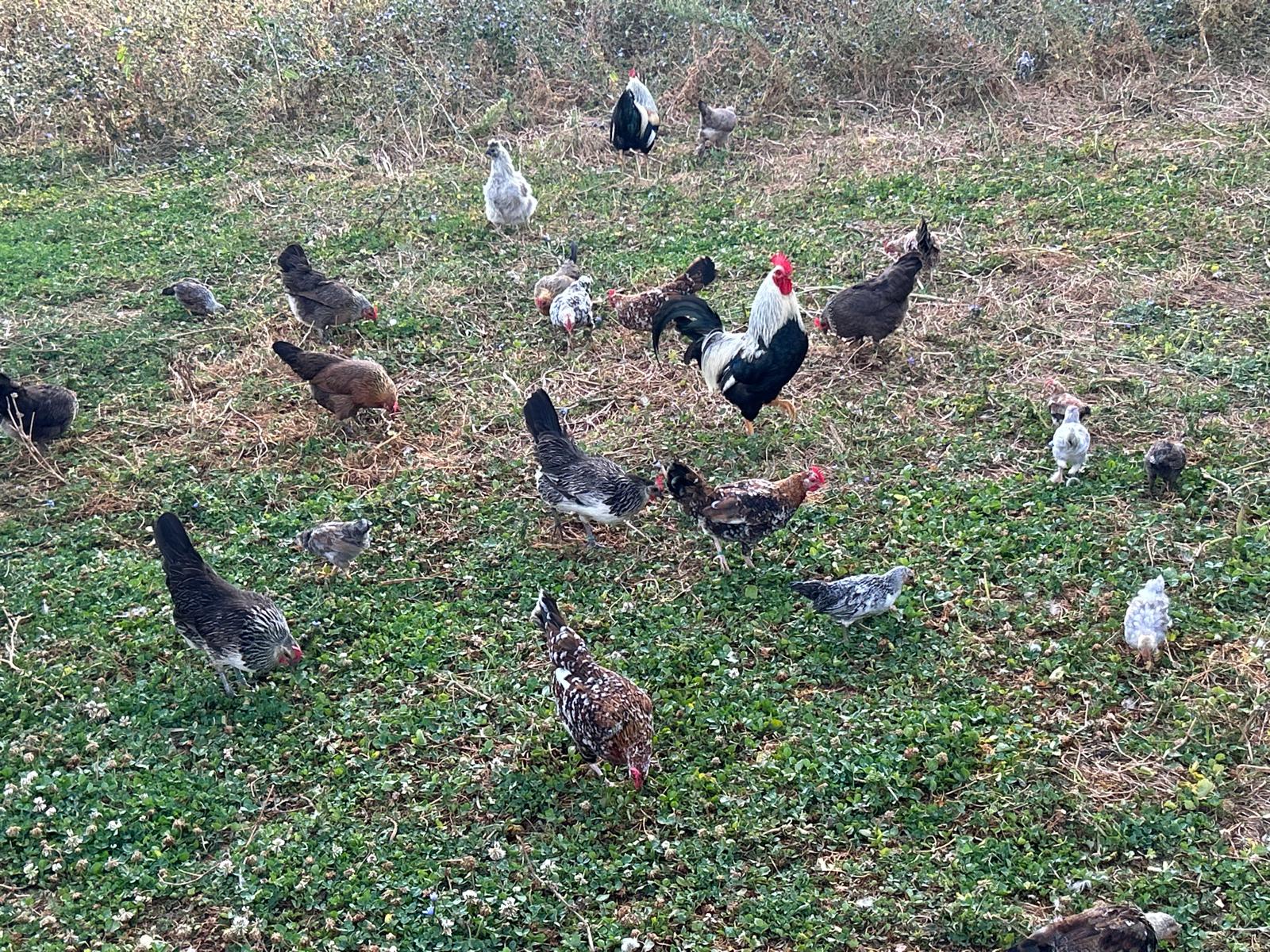
Heritage does not always have to be made of stone. Sometimes it wanders calmly around a meadow. Or forages among the grass.
By giving these special Belgian breeds a place within KURBI, we want to contribute not only to biodiversity, but also to preserving a piece of living history.
Discover our Belgian poultry-yard breeds
Doornikse Kriel
Bassette
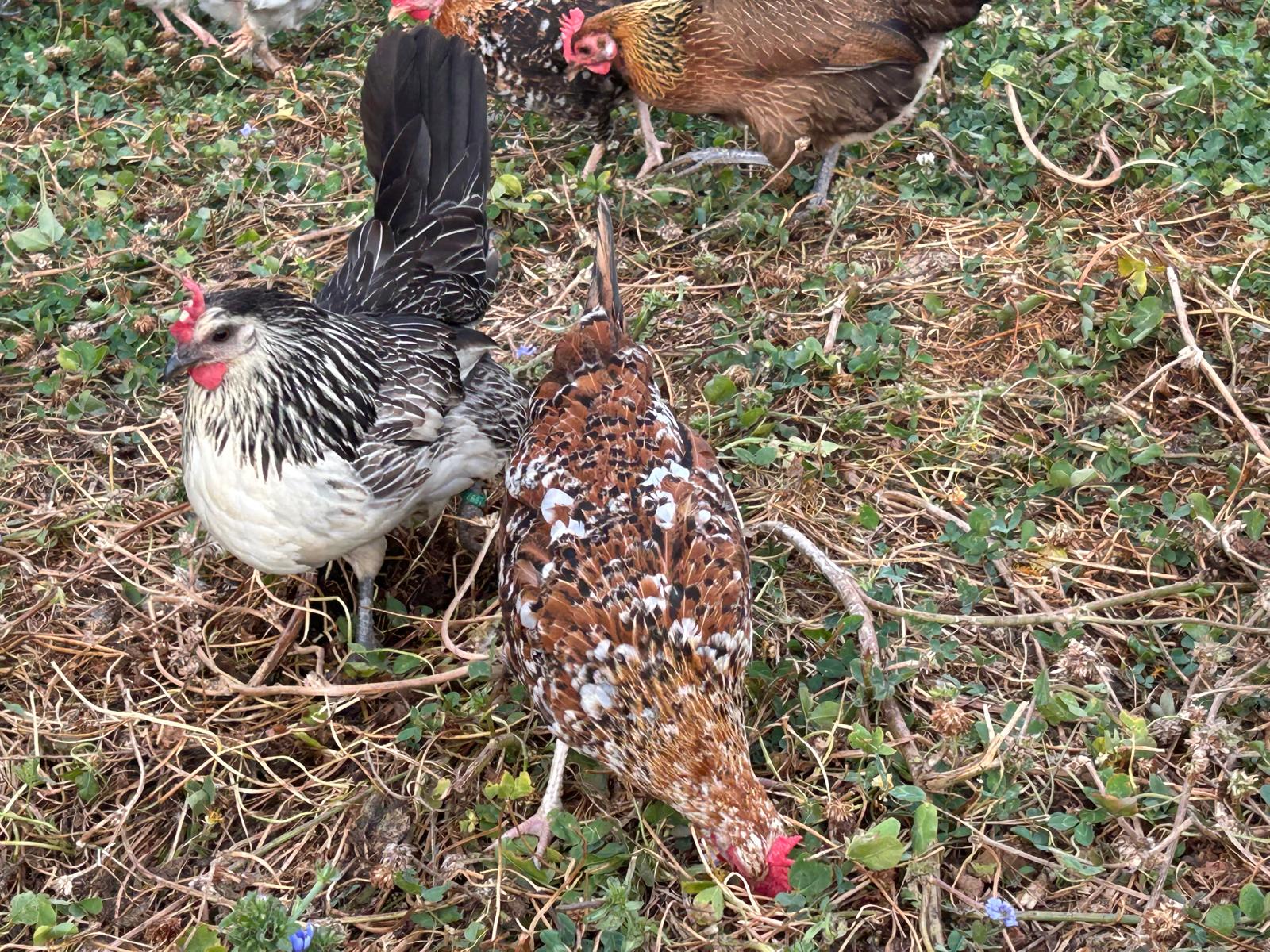
Photos of the living heritage
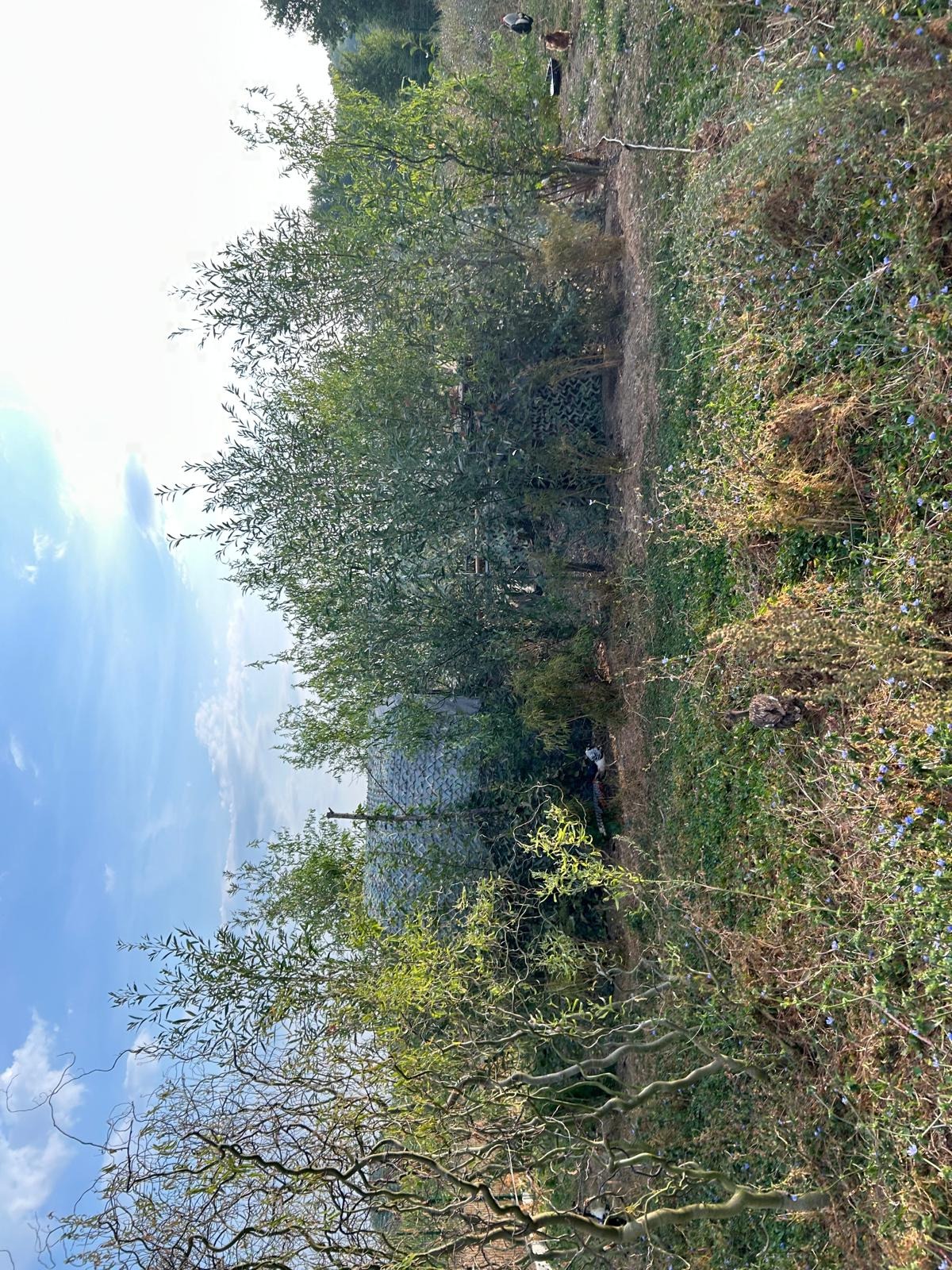
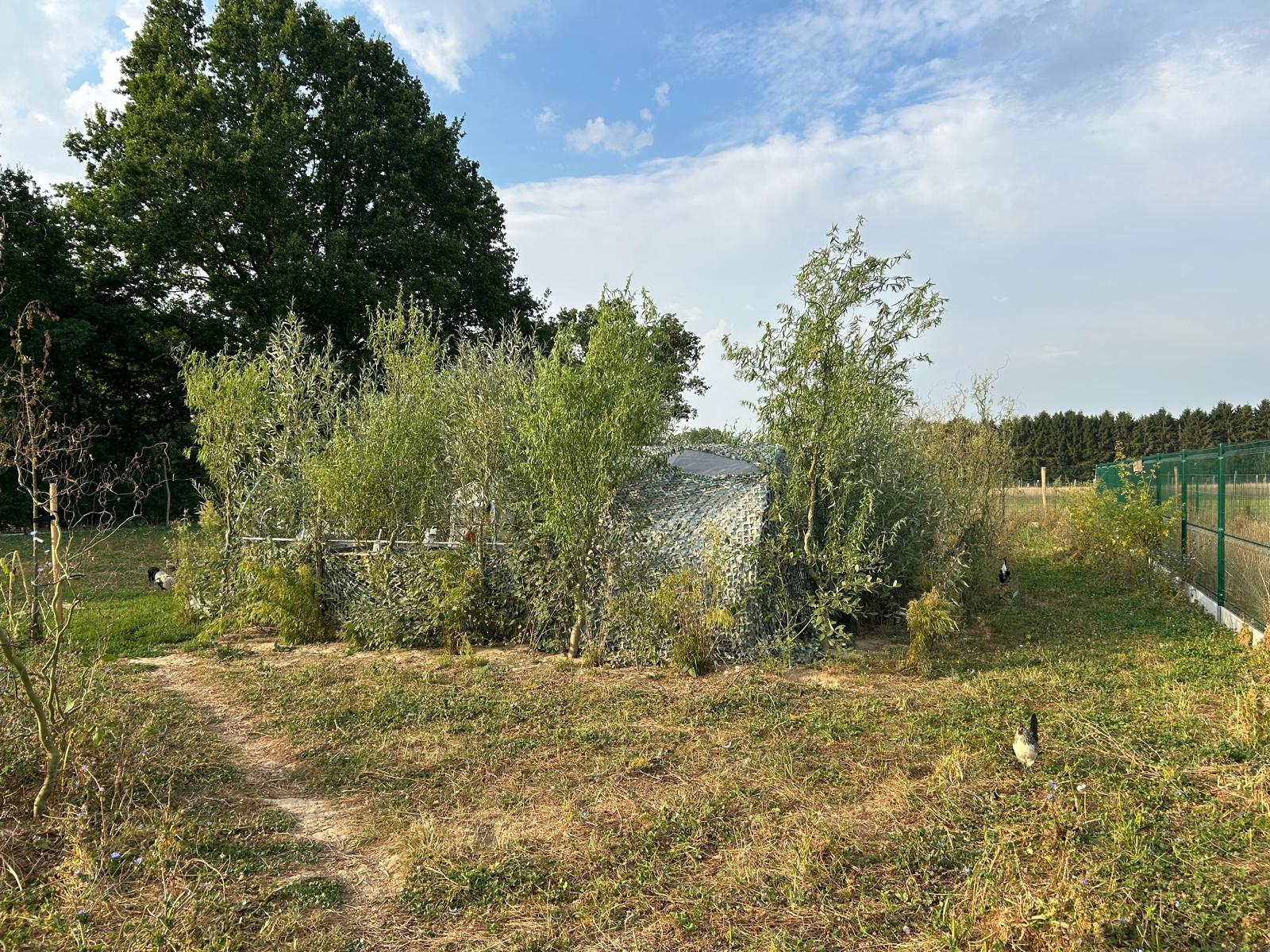
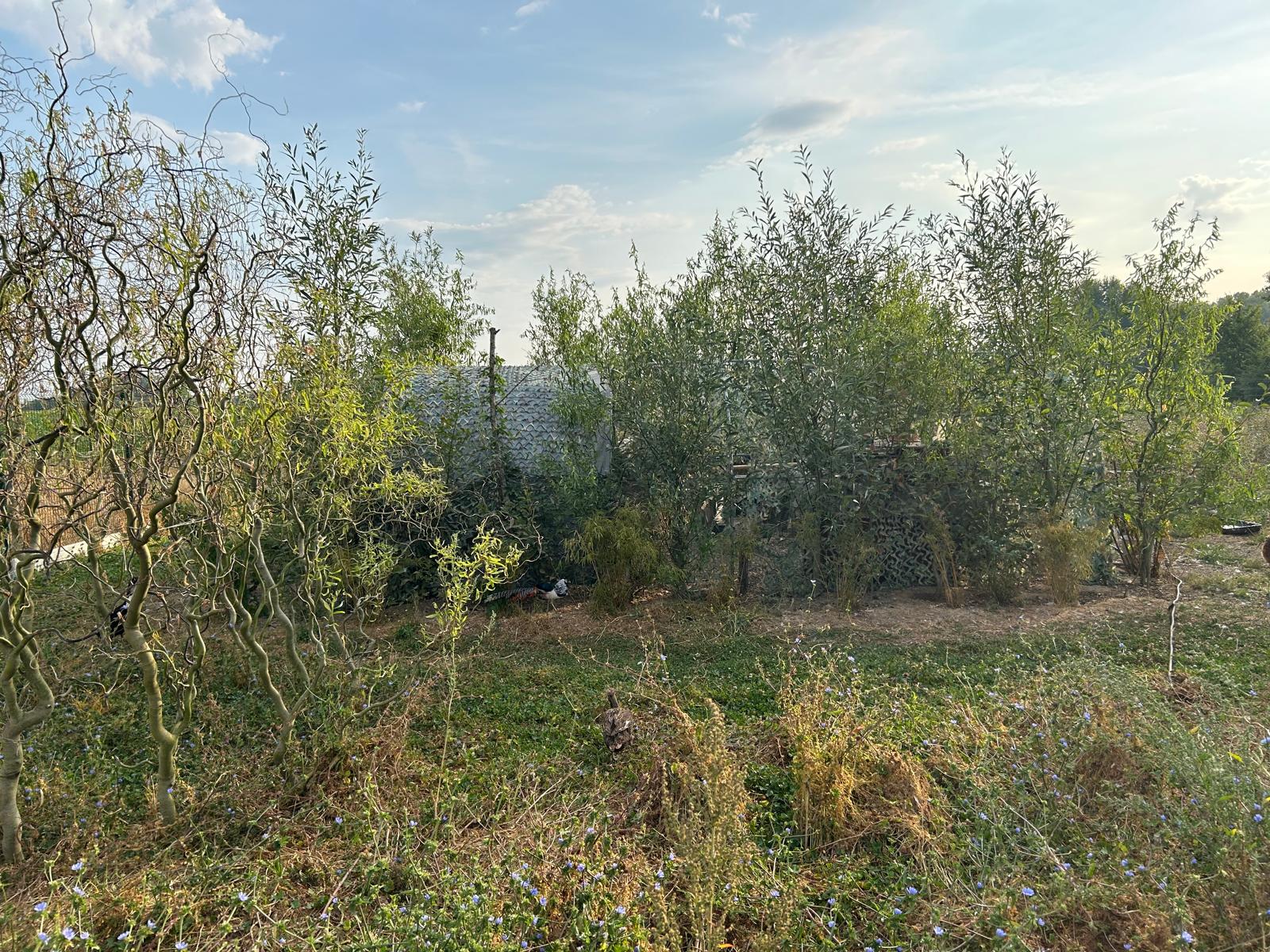
Old Belgian breeds on the test site in Bierbeek, summer 2026.
Further reading
External links open in a new tab. KURBI is not responsible for the content of external websites.
Also discover
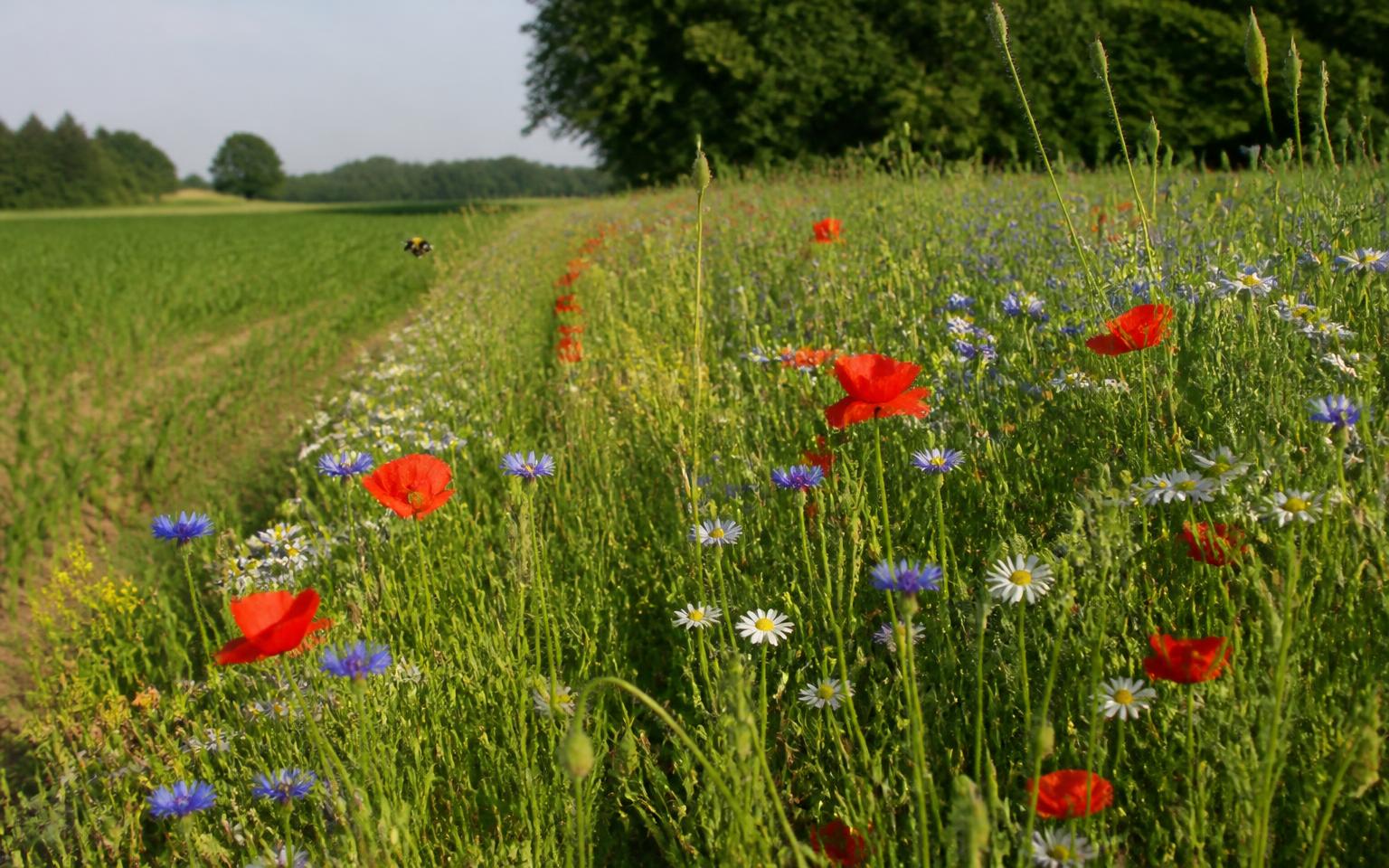
Flower meadows
More flowers, more pollinators, more colour — a food source for wild bees, bumblebees and butterflies.
Discover this project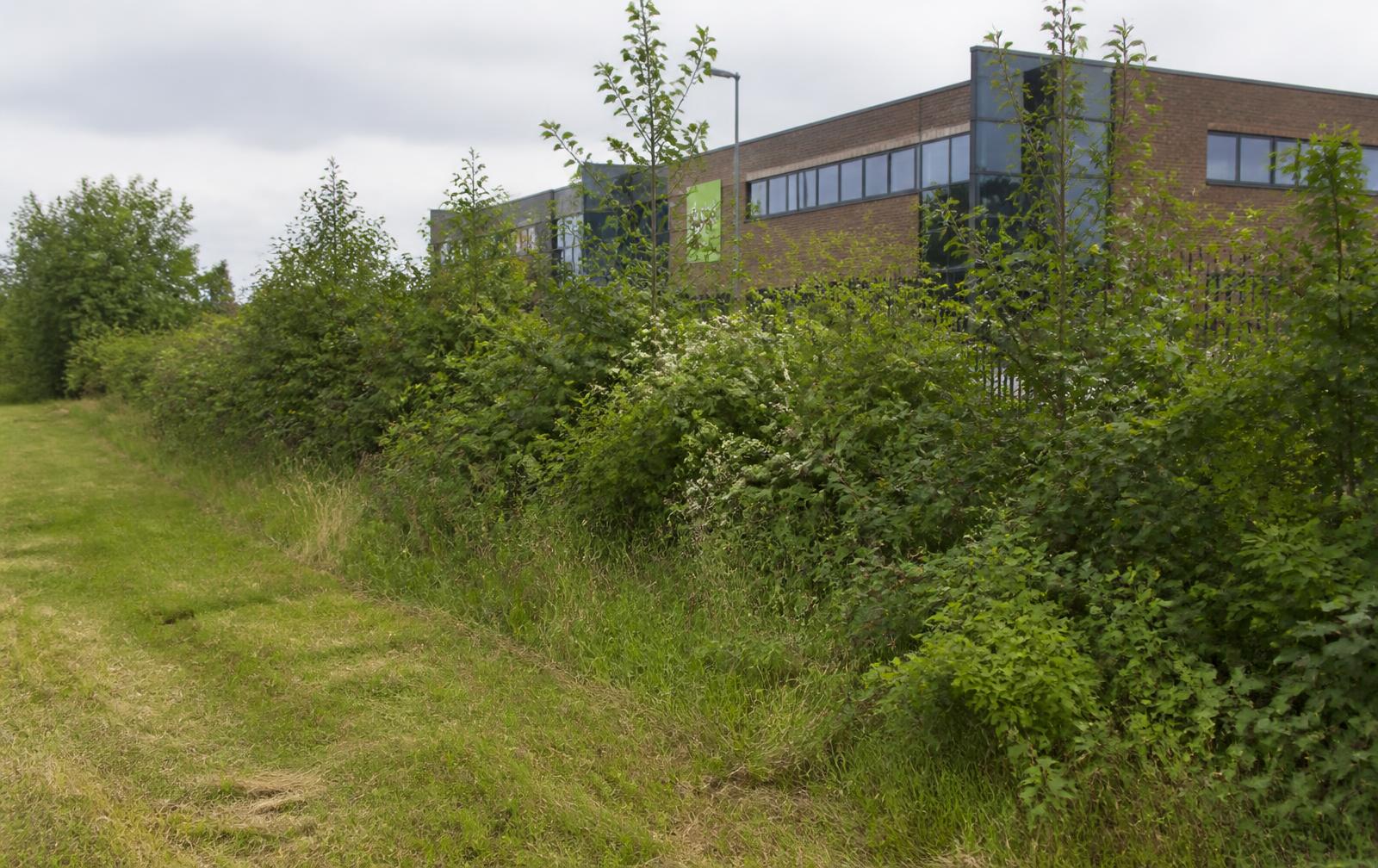
Native hedgerows
Make roughly 50 metres of new landscape element possible: a varied hedgerow of mainly native shrubs and trees.
Discover this project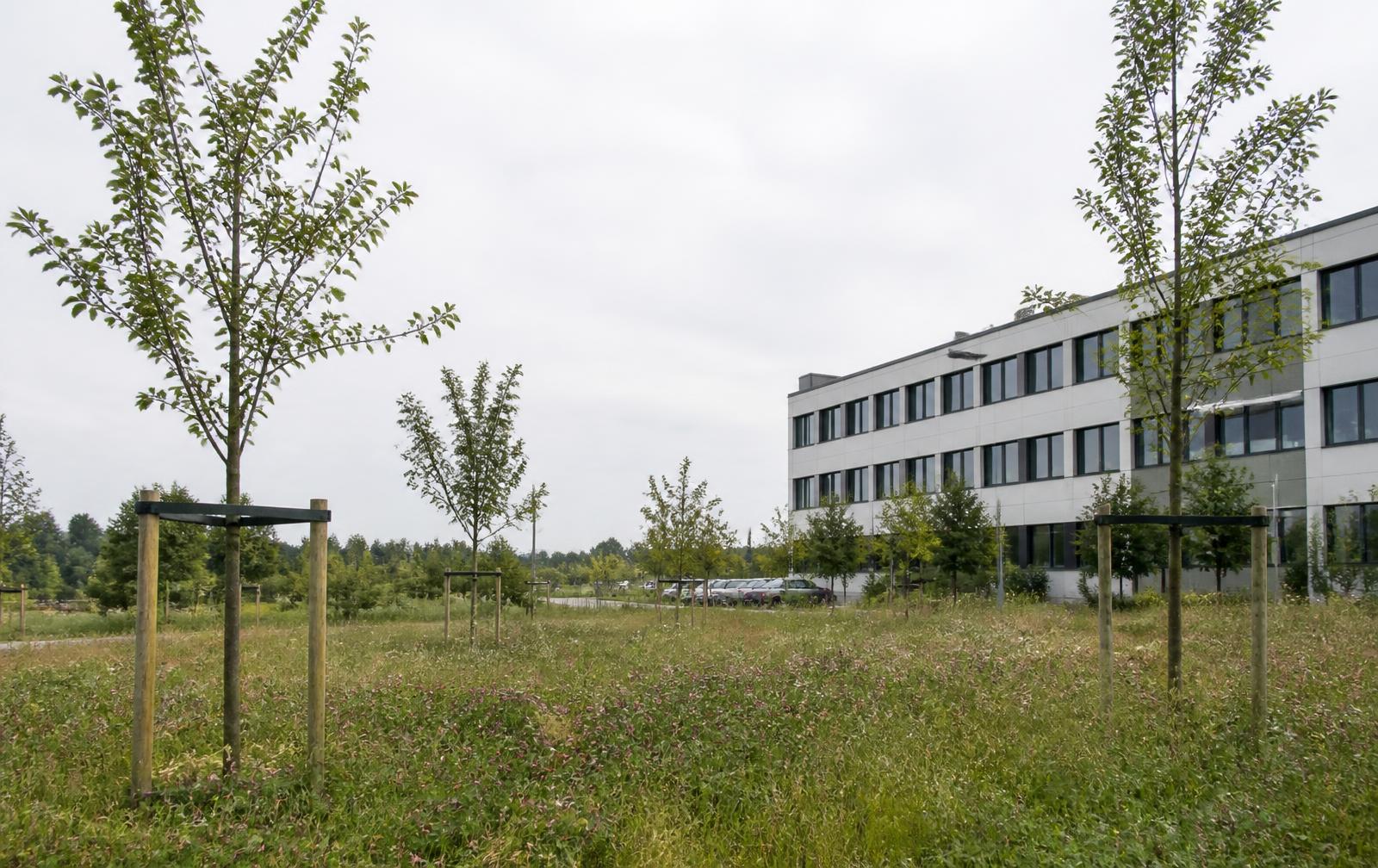
High-stem orchards
Help plant five quality high-stem fruit trees, with particular attention to old and regional varieties.
Discover this projectBecome a KURBI partner
€ 1.000 — excl. VAT per project and per project year