Flower meadows
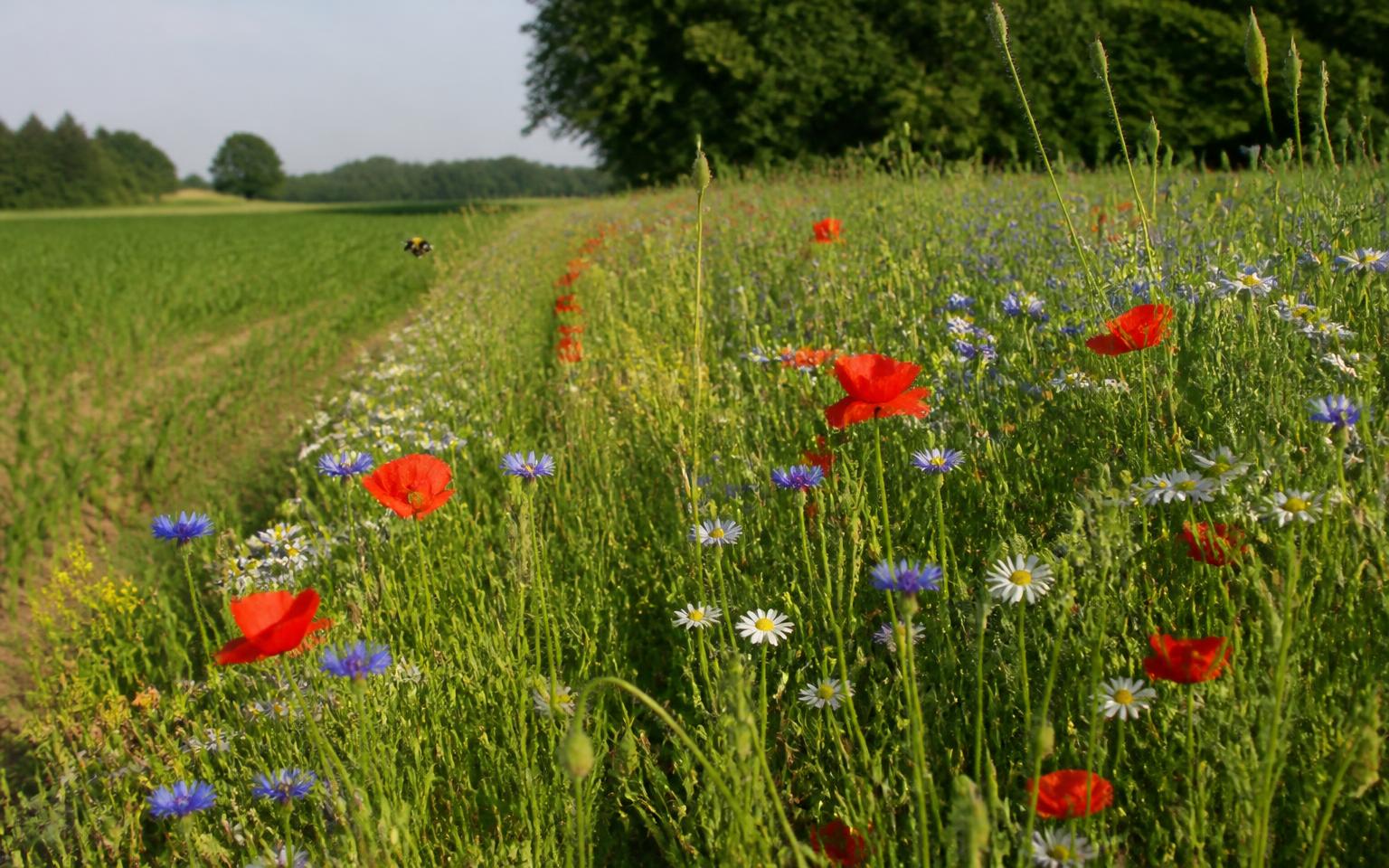
More flowers, more pollinators, more colour — a food source for wild bees, bumblebees and butterflies.
Discover this projectOur projects
Small in size, big in history: a remarkable Belgian breed.
en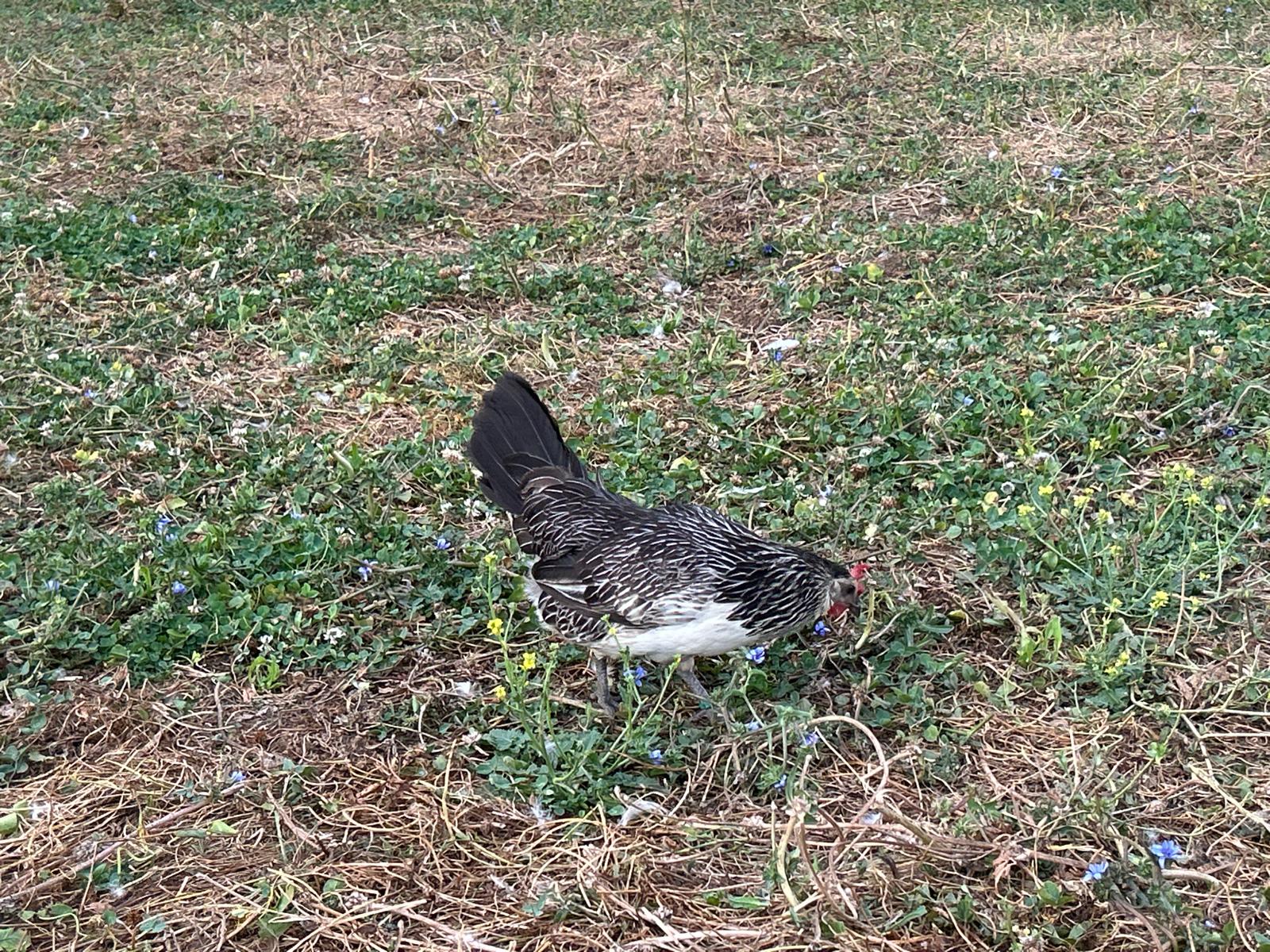
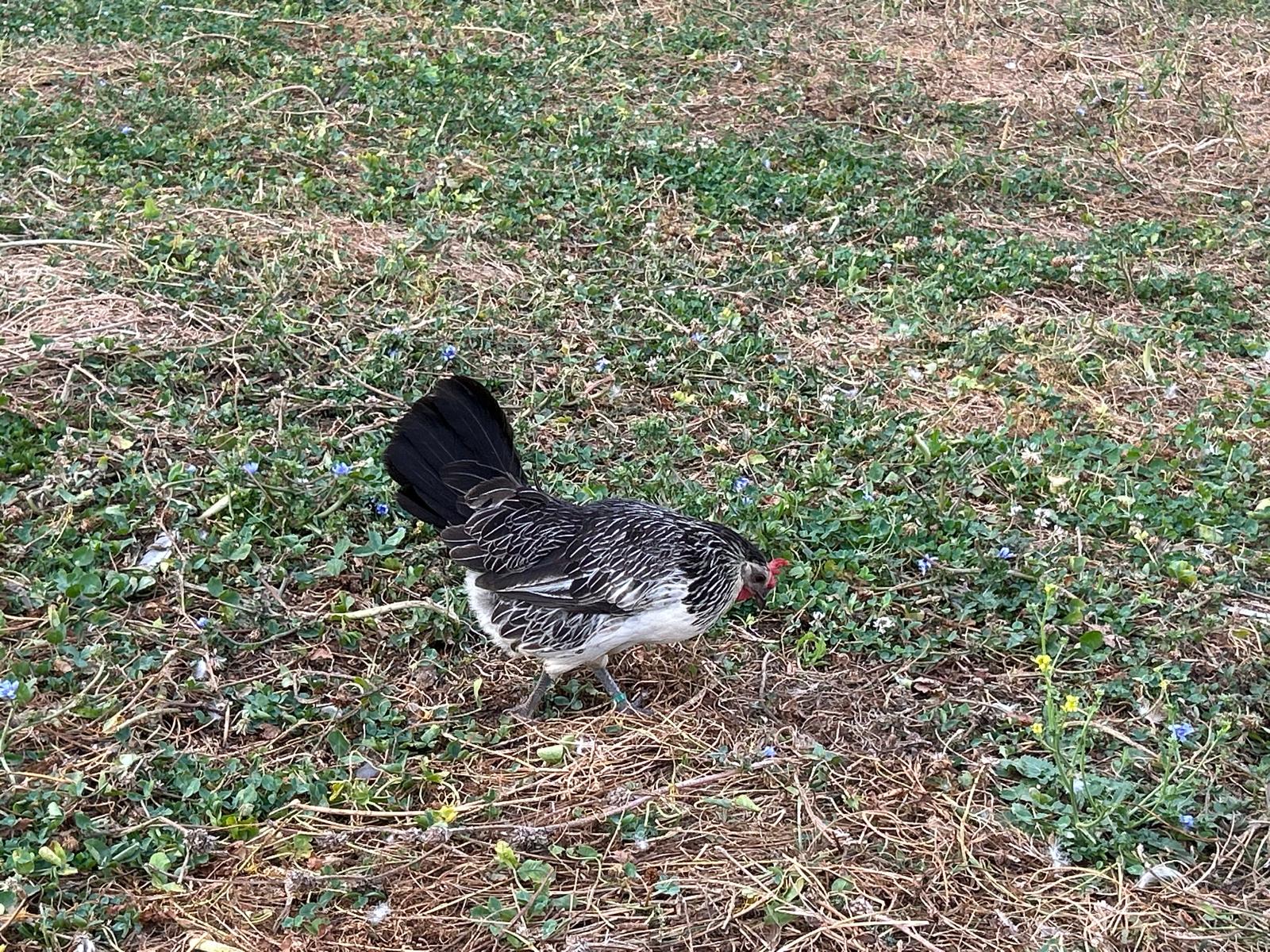
The Bassette is small, lively and instantly recognisable by its distinctive build.
The breed forms part of Belgium's agricultural heritage and originated at the end of the nineteenth century in the south of Limburg and the region around Liège. The official breed standard was established in 1930.
Today the breed is kept only by a relatively small group of enthusiasts.
KURBI wants to help make the Bassette visible again and keep interest in this special Belgian breed alive.
The Bassette is often described as a half-bantam. This means that it is smaller than a classic large chicken, but at the same time sturdier than many traditional bantam breeds. That combination gives it a striking and characterful appearance.
Its relatively short legs, compact body and lively bearing make the Bassette easy to recognise.
It is not a miniature version of another breed, but an independent Belgian breed with its own history and specific characteristics.
The Bassette originated at the end of the nineteenth century in the south of Limburg and the area around Liège.
The breed was selected from local chicken populations and gradually developed its own, recognisable type. The official breed standard was drawn up in 1930.
The history of the Bassette shows how farmers and breeders in the past developed breeds adapted to their local environment, available space and practical needs.
The Bassette therefore tells not only a story about poultry keeping, but also about regional agricultural history.
The Bassette is a small but sturdy chicken. Characteristic features include its compact build; its notably short legs; its lively appearance; its robust character; and its need for sufficient space to move.
The silver-partridge colouring is the best-known colour variety, but other recognised colour variants also exist.
The Bassette is known as a freedom-loving and active breed. The animals like to move around, forage intensively and need sufficient outdoor space. At the same time, with calm and consistent care, they can become trusting towards their keeper.
That combination of liveliness and approachability makes the Bassette particularly suited to a project in which visitors can observe the animals from a safe distance.
The animals always retain sufficient rest, space and opportunities to display their natural behaviour.
The Bassette is not merely an ornamental heritage breed. According to the available breed description, the hens can lay up to around 180 eggs per year. They are also known as good brooders.
Within KURBI, however, the Bassette is not kept with a view to maximum production. The emphasis lies on animal welfare; promotion of the breed; the visibility of living Belgian heritage; and strengthening interest in traditional poultry-yard animals. Any egg production remains secondary to these objectives.
Traditional chicken breeds are coming under increasing pressure. Modern poultry farming mainly works with a limited number of specialised breeds and hybrids selected for very high production. Local breeds such as the Bassette therefore rarely have an economic role within professional agriculture anymore.
As fewer and fewer animals are kept, the risk also increases that genetic diversity, typical breed characteristics and historical knowledge will be lost.
Preserving the Bassette therefore contributes to the protection of Belgian agricultural heritage; genetic diversity among poultry-yard animals; preservation of traditional breed characteristics; support for small-scale and specialised breeding; and awareness of our agricultural history.
The Bassette does not belong only in old breed books or historical images. It is a living breed. This means that preservation is only possible when animals are actually kept, cared for and responsibly bred further.
KURBI therefore wants to keep a visible and well cared-for group of Bassettes within a suitable local landscape. This allows walkers and visitors to become acquainted with a breed they might otherwise never see. Via an information board or QR code, they can discover more about the breed.
The presence of animals within KURBI is only justified when their welfare can be fully guaranteed.
Bassettes need, among other things: a safe and dry sleeping place; sufficient outdoor space; daily feed; permanent fresh drinking water; shelter from sun, rain and wind; protection against foxes and other predators; regular health checks; and appropriate care when needed.
Because the Bassette is active and freedom-loving, its enclosure must offer sufficient space to move and forage.
For € 1,000 excluding VAT per year, your business supports, for one year, the care of a flock of ten Bassettes.
Your contribution helps finance, among other things, suitable housing; safe fencing; daily feed; fresh drinking water; bedding and maintenance; care and daily checks; protection against predators; veterinary follow-up if needed; maintenance of the outdoor run; information and signage; and annual photo documentation.
The partnership therefore funds not only the presence of the animals, but above all the ongoing care needed to keep them responsibly.
For the breed: A well cared-for and visible group helps increase awareness of the Bassette and keeps interest in the breed alive.
For visitors: The animals offer an accessible introduction to Belgian agricultural history and traditional poultry-yard breeds.
For businesses: The partnership forms a concrete, recognisable and local project that combines biodiversity, animal welfare and heritage.
For the local area: The Bassette strengthens the rural character of the project and adds a special element to the landscape experience.
For future generations: The preservation of traditional breeds prevents genetic and cultural diversity from being irretrievably lost.
Is the Bassette a Belgian chicken breed?: Yes. The breed originated at the end of the nineteenth century in the south of Limburg and the region around Liège. The official standard was drawn up in 1930.
Why is the Bassette called a half-bantam?: Because it is smaller than a classic large chicken, but sturdier and heavier than many ordinary bantam breeds.
What colour is a Bassette?: Silver-partridge is the best-known colour variety. Many other recognised colour variants also exist.
Do Bassettes lay eggs?: Yes. The available breed description mentions production of up to around 180 eggs per year. The hens are also known as good brooders.
How many animals make up a flock? On average, our flock consists of a group of ten animals. This provides sufficient social group cohesion and visibility, while responsible daily management remains possible. The final composition of the flock is tailored to animal welfare and group dynamics.
Only Bassettes?: No, we regularly let other breeds mix with the group, so that the distinguishing features of the Bassette become more visible.
The Bassette may be small in size. Its story is not. The breed tells of local breeders, agricultural traditions and a time when animal breeds were closely linked to the region in which they originated.
By making the Bassette visible again, KURBI wants to help prevent this story from disappearing.
Help make possible, for one year, the care and protection of ten Bassettes in a suitable local setting.
€ 1,000 excluding VAT per year
First-year update 2025–2026
Read what we did and learned for this project on our test site next to the Velpestraat in Bierbeek.
Read the updateExternal links open in a new tab. KURBI is not responsible for the content of external websites.
More flowers, more pollinators, more colour — a food source for wild bees, bumblebees and butterflies.
Discover this project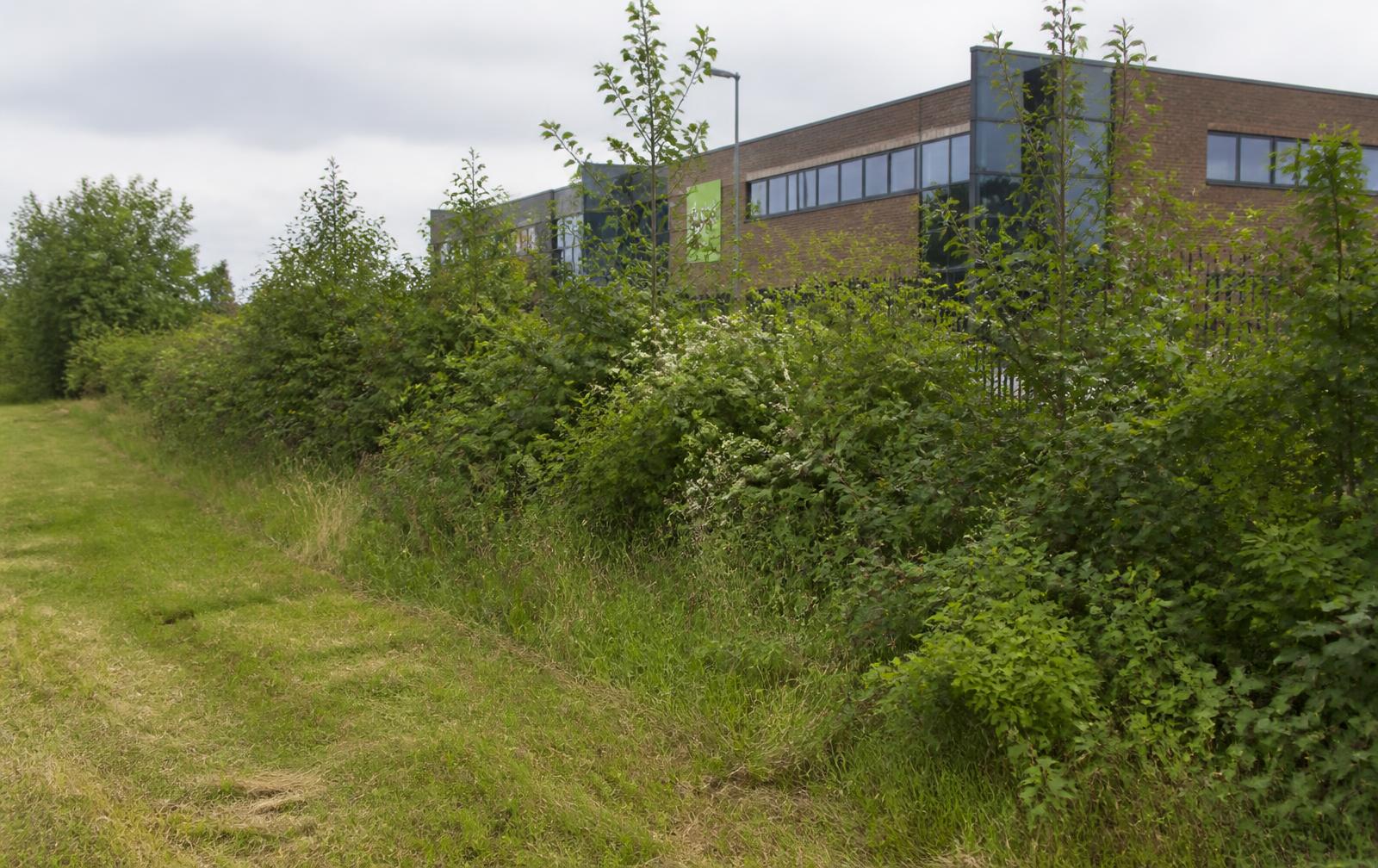
Make roughly 50 metres of new landscape element possible: a varied hedgerow of mainly native shrubs and trees.
Discover this project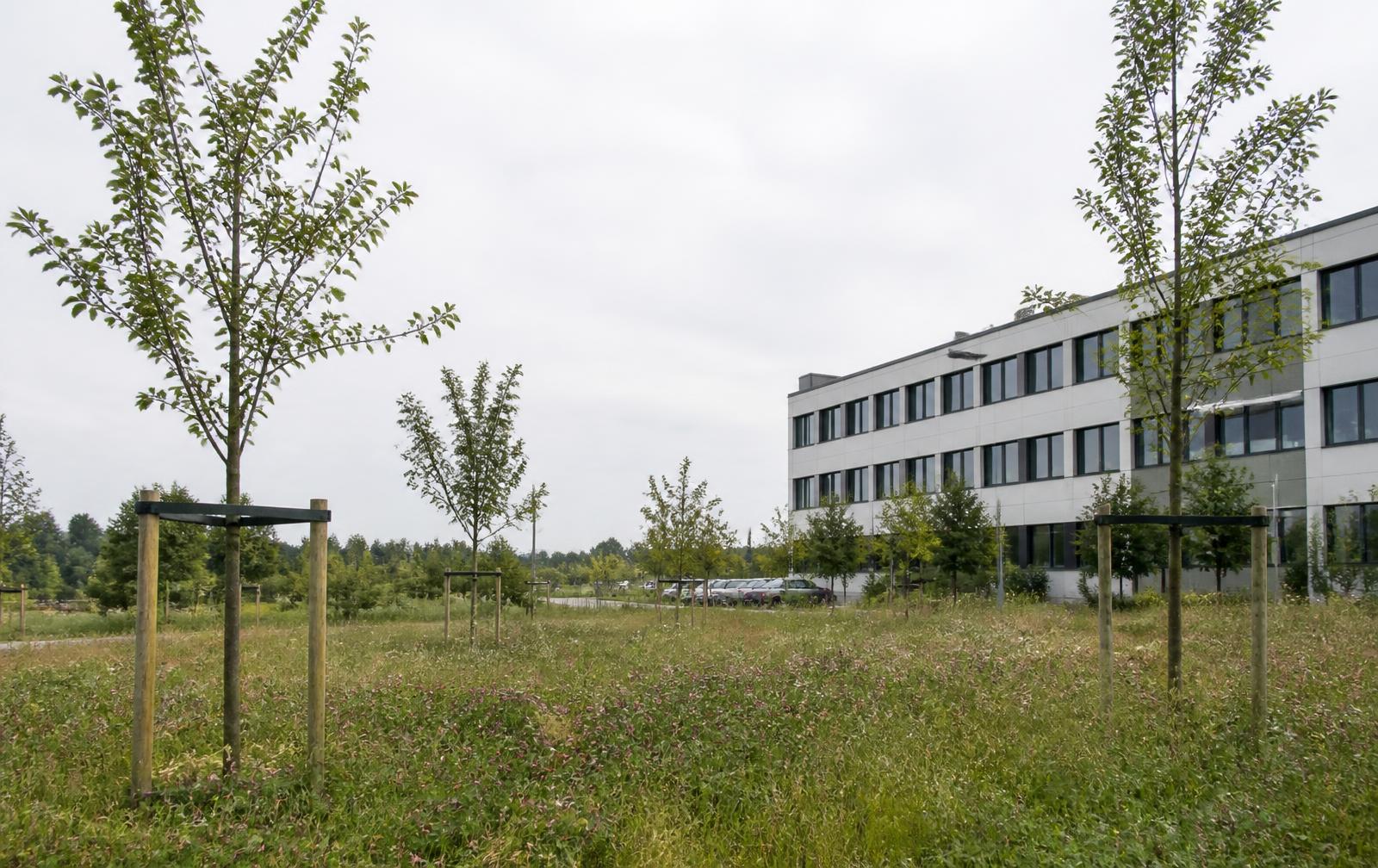
Help plant five quality high-stem fruit trees, with particular attention to old and regional varieties.
Discover this project€ 1.000 — excl. VAT per project and per project year