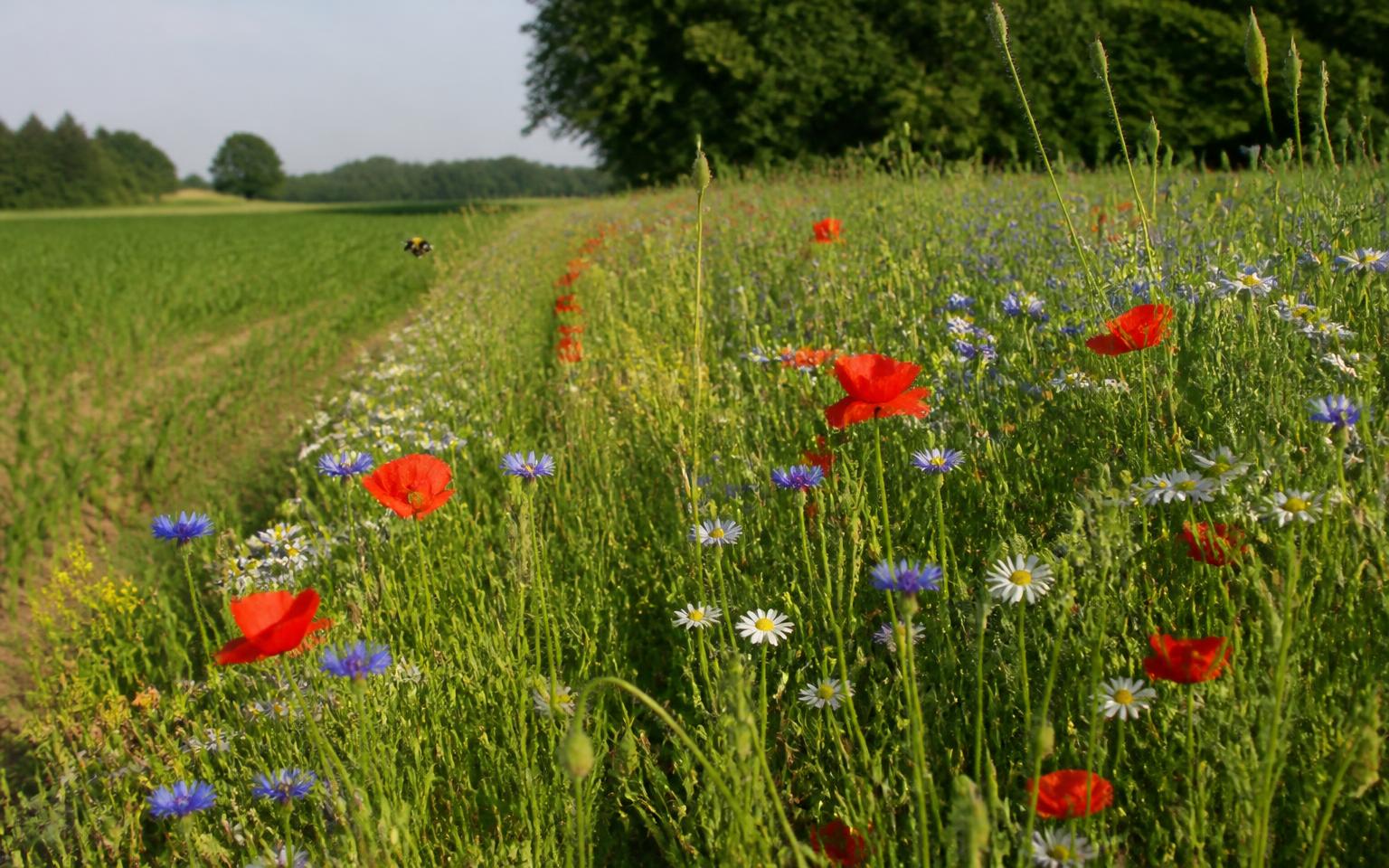
Flower meadows
More flowers, more pollinators, more colour — a food source for wild bees, bumblebees and butterflies.
Discover this projectOur projects
Keeping one of the oldest Belgian chicken breeds visible.
en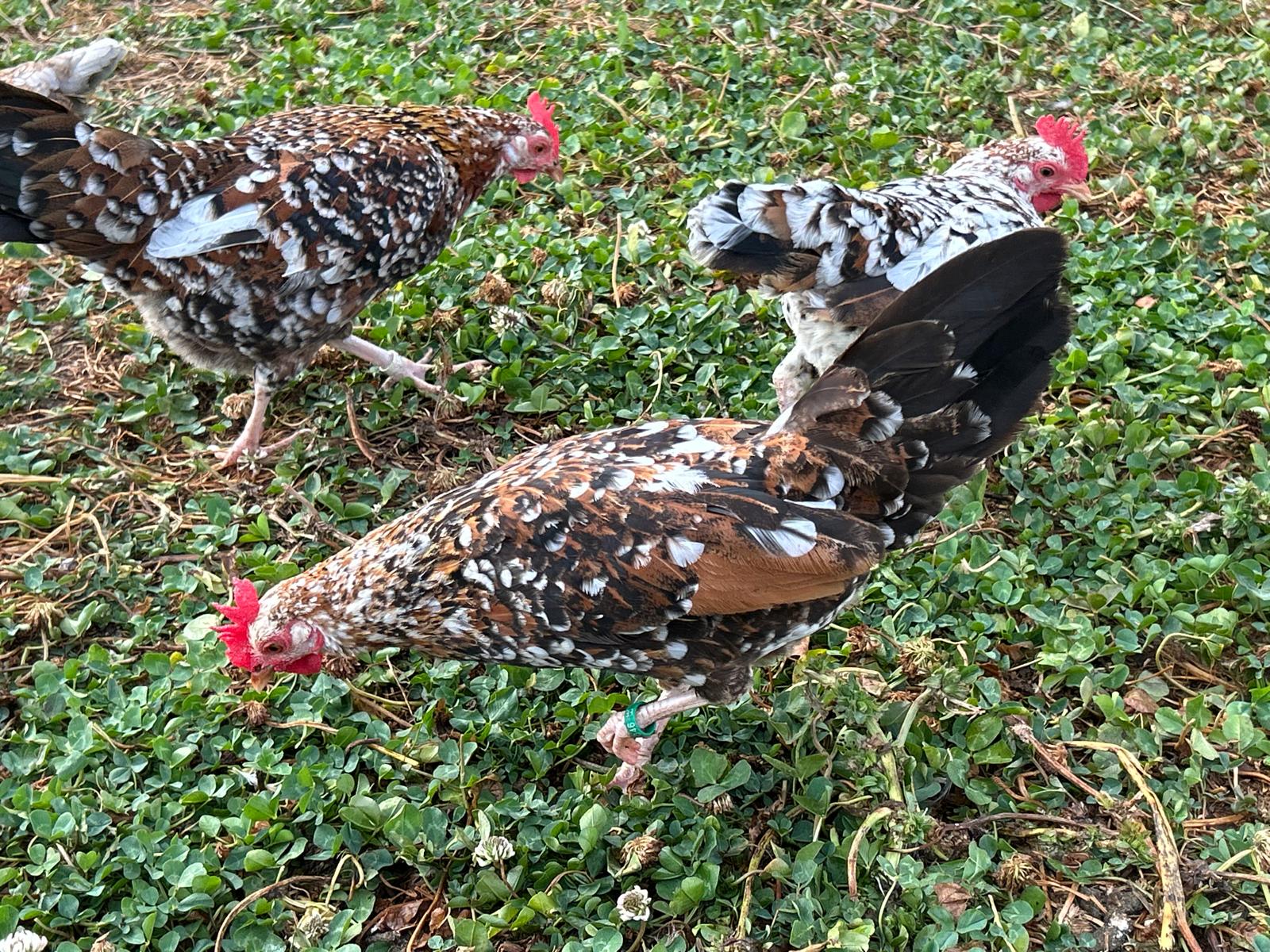
Small in stature, lively in character and instantly recognisable by its three-coloured plumage.
The Doornikse Kriel is far more than an ornamental chicken.
The breed originated in the region around Doornik (Tournai) and forms part of Belgium's agricultural heritage. It used to be kept on farms, but also by bargemen who, in their limited space, needed small, hardy and self-sufficient animals.
Today the breed is found only to a limited extent.
KURBI wants to help prevent this special piece of living history from disappearing from our landscape.
The Doornikse Kriel originated at the end of the nineteenth century in the area around Doornik (Tournai). The breed was originally known as the "Mille fleurs du Tournaisis," a reference to its striking three-coloured, mottled plumage.
Because of its small size and versatility, the Doornikse Kriel was mainly kept as an ornamental bird, a laying hen and a brooding hen.
The breed was valued for its hardiness, lively character and limited need for food and space.
The Doornikse Kriel is sometimes called the bargeman's chicken.
In the past, bargemen took these small chickens with them on board. Because of their limited size, the birds could relatively easily be kept on a barge. They provided fresh eggs during long journeys and fitted better into the limited available space than large chicken breeds.
The nickname therefore tells a special story about the daily life and economic reality of earlier generations.
The Doornikse Kriel thus also links agricultural history with Belgium's inland shipping past.
The best-known Doornikse Kriel has a striking three-coloured, mottled plumage.
The breed is generally described as small and graceful; lively and spirited; hardy; active; and reasonably capable of flying. The birds are curious and mobile.
The hens can lay around 180 white eggs per year, with an average weight of about 38 grams. They are also known as good brooders who care carefully for their chicks.
Modern agriculture and commercial poultry farming are strongly focused on a limited number of highly productive breeds.
Traditional breeds such as the Doornikse Kriel therefore have less and less place within mainstream agricultural production. When the number of breeding animals becomes too small, not only does a breed risk disappearing, but also the genetic diversity and the knowledge associated with it.
Preserving the Doornikse Kriel contributes to the protection of Belgian agricultural heritage; genetic diversity among poultry-yard animals; the preservation of traditional characteristics; support for small-scale breeding; and the visibility of historic agricultural breeds.
KURBI does not want to preserve this heritage solely in archives or old books. We want to make it visible in the landscape again.
An important part of KURBI is that biodiversity and agricultural heritage become visible to walkers and visitors.
The Doornikse Krielen can therefore be kept at a suitable location near a walking route. Visitors can observe the animals and learn more about the breed via an information board or QR code.
This creates a tangible connection between animal welfare, agricultural history and the local experience of the landscape.
For € 1,000 excluding VAT per year, your business supports, for one year, the care of a flock of Doornikse Krielen.
Your contribution helps finance, among other things, suitable housing; safe fencing; daily feed; bedding and maintenance; fresh drinking water; daily care; protection against predators; veterinary follow-up if needed; maintenance of the outdoor run; and information and signage.
The contribution therefore does not only serve to purchase the animals. It mainly supports the daily care and long-term preservation of the breed.
For the breed: A visible and well cared-for population helps keep the breed known and increases interest in its preservation.
For visitors: The animals tell an accessible story about Belgian agricultural history and living heritage.
For businesses: The partnership offers a local, distinctive and highly recognisable sustainability project.
For the local area: The project enriches the landscape experience and connects the rural character of the municipality with broader Belgian heritage.
For future generations: The preservation of traditional breeds prevents valuable genetic and cultural diversity from being lost.
A partner can factually communicate that, for one year, it contributes to the care of a flock of Doornikse Krielen; the protection and promotion of a traditional Belgian chicken breed; animal welfare; and the visibility of Belgian agricultural heritage in the local landscape.
KURBI does not present the project as nature compensation or as proof that a business is fully sustainable.
It concerns a concrete, verifiable and locally rooted contribution to the preservation of a special breed.
Is the Doornikse Kriel really a Belgian breed?: Yes. The breed originated at the end of the nineteenth century in the area around Doornik and is closely linked to the agricultural history of that region.
Why is it called the bargeman's chicken?: The small, self-sufficient chickens used to be kept on board by bargemen. They took up little space and provided fresh eggs during long journeys.
Are the animals used for commercial egg production?: No. Within KURBI, the emphasis is on animal welfare, breed preservation and the visibility of heritage. Any egg production is incidental.
Can the animals roam freely?: The animals are given sufficient outdoor space within a safe environment that is adapted and protected against predators.
How many animals make up the flock?: Our flock contains an average of ten animals. The exact composition is tailored to animal welfare and a balanced group dynamic.
Are there only Doornikse Krielen?: We regularly let other bantam breeds mix with the animals, which makes the distinguishing features of the Doornikse Kriel easier to compare.
The Doornikse Kriel tells a story that could easily be lost. A story about farms. About inland barges. About small animals that, for generations, were part of daily life.
By giving this breed a visible and well cared-for place, KURBI wants to do more than keep chickens. We want to preserve a piece of living history. Not behind glass. But among the grass, in the landscape and close to people.
Help make possible, for one year, the care and protection of ten Doornikse Krielen in a suitable local setting. € 1,000 excluding VAT per year
First-year update 2025–2026
Read what we did and learned for this project on our test site next to the Velpestraat in Bierbeek.
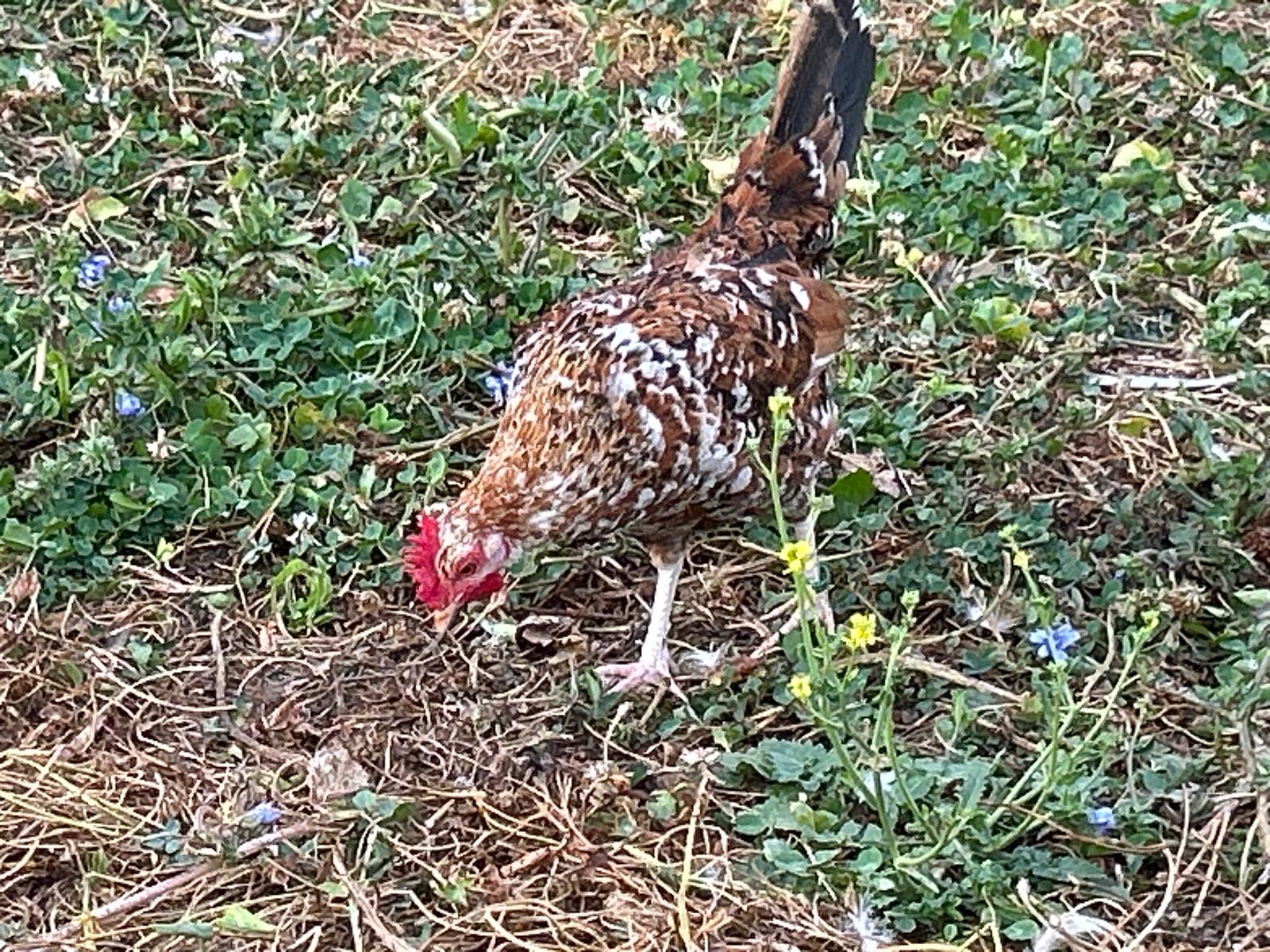
Read the updateOur Tournaisis bantams on the test site in Bierbeek, summer 2026.
 View all 3 photos →
External links open in a new tab. KURBI is not responsible for the content of external websites.
More flowers, more pollinators, more colour — a food source for wild bees, bumblebees and butterflies.
Discover this project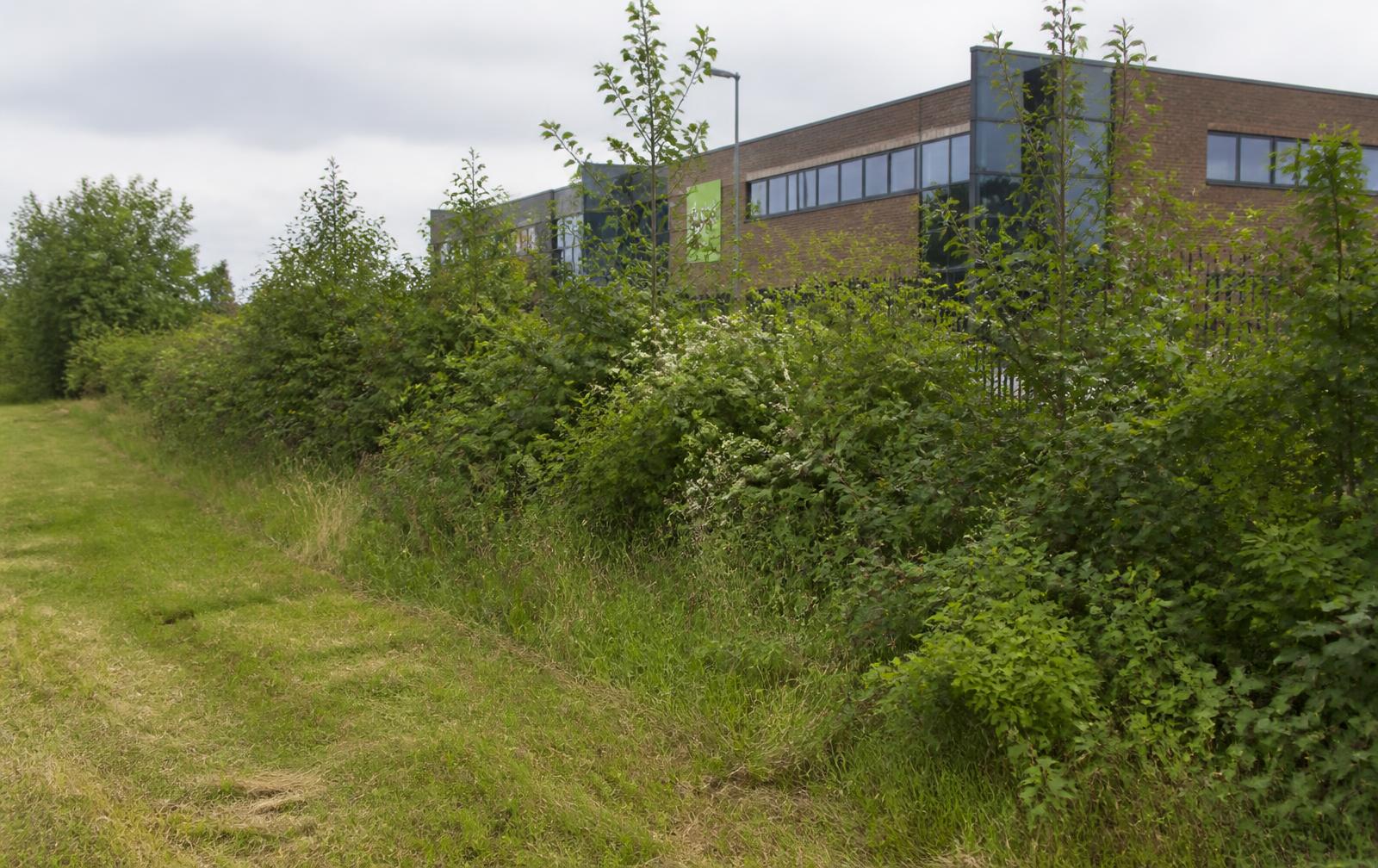
Make roughly 50 metres of new landscape element possible: a varied hedgerow of mainly native shrubs and trees.
Discover this project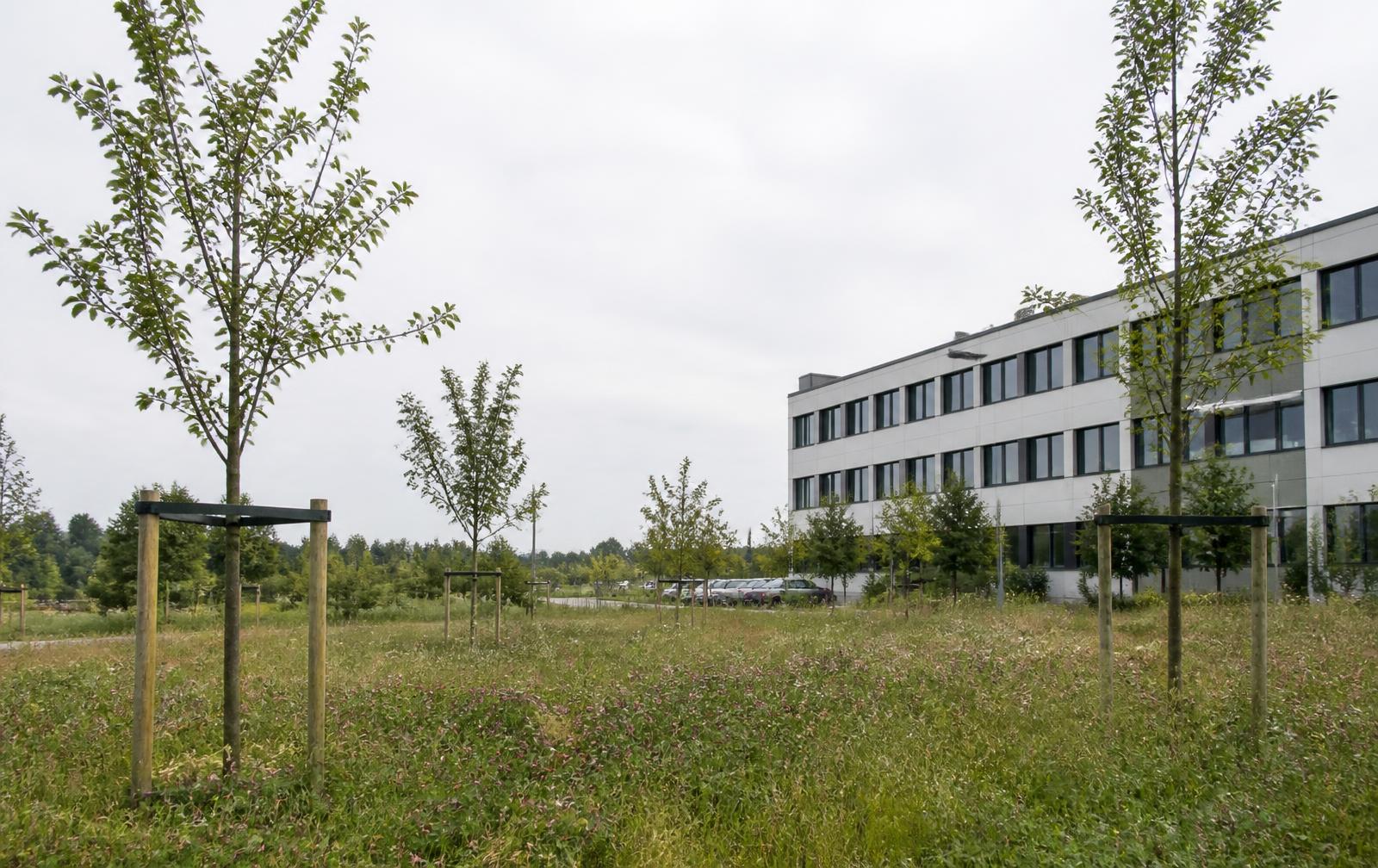
Help plant five quality high-stem fruit trees, with particular attention to old and regional varieties.
Discover this project€ 1.000 — excl. VAT per project and per project year