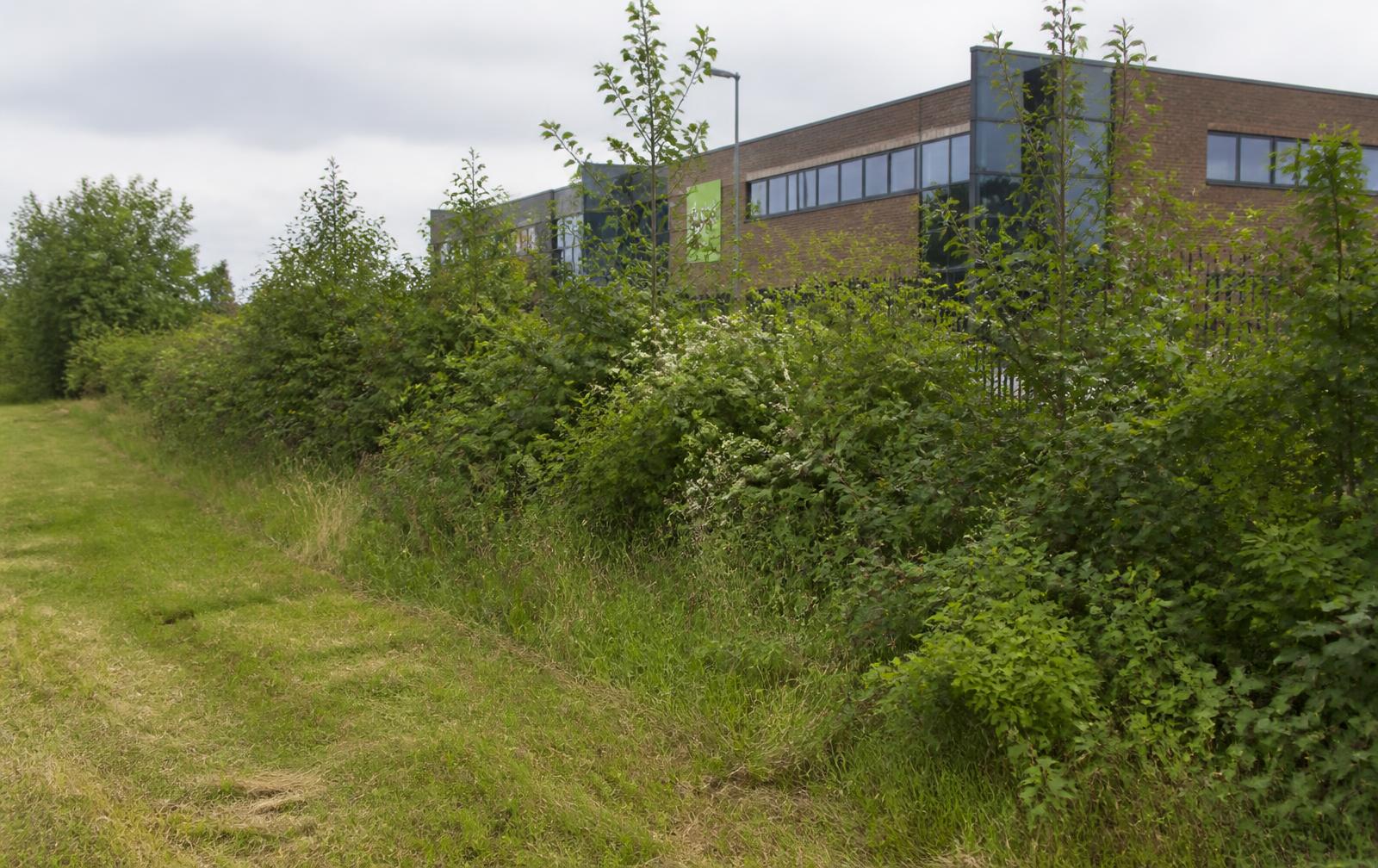
Native hedgerows
Make roughly 50 metres of new landscape element possible: a varied hedgerow of mainly native shrubs and trees.
Discover this projectOur projects
More flowers, more pollinators, more colour — a food source for wild bees, bumblebees and butterflies.
en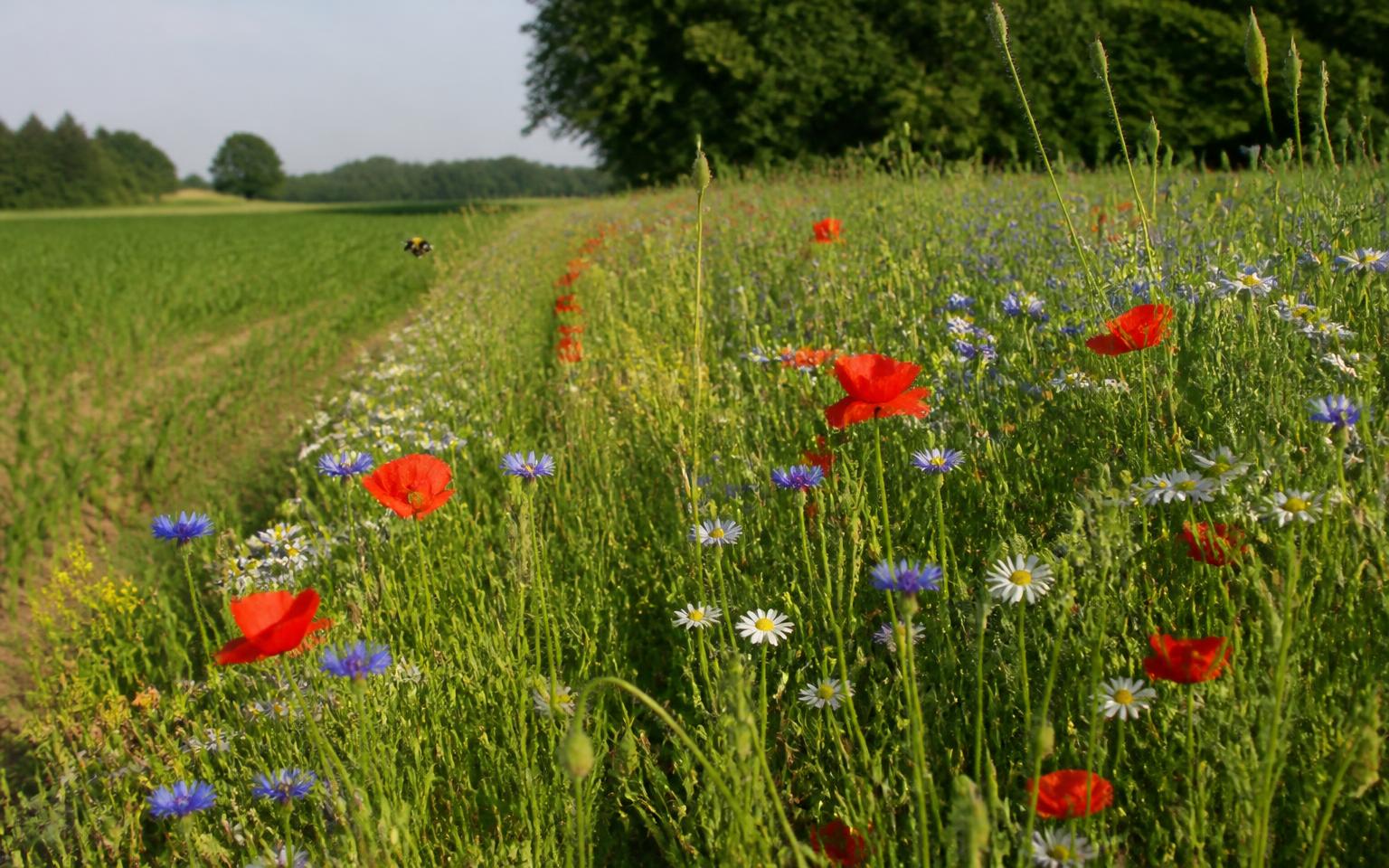
A wildflower meadow is far more than a pretty patch of nature.
When people think of a wildflower meadow, they often picture a colourful field full of flowers.
But a well-designed wildflower meadow is much more than that.
It provides a food source for pollinators, a habitat for insects, shelter for small animals and an important link in a healthy landscape.
That is why wildflower meadows are one of KURBI's most important biodiversity projects.
Over the past decades, a great many flower-rich grasslands have disappeared.
As a result, wild bees, bumblebees, butterflies, hoverflies and countless other insects find it increasingly difficult to find food.
Yet these creatures fulfil a crucial role.
They pollinate wild plants, fruit trees and numerous agricultural crops, and in turn provide food for birds, amphibians and other animals.
A wildflower meadow brings variety back into the landscape and helps restore this natural cycle.
A wildflower meadow is constantly changing.
In spring, the first flowering herbs appear.
During summer, flowering reaches its peak.
In autumn, spent plants and seeds once again provide food for birds and small mammals.
A wildflower meadow also remains valuable during winter. Dead stems provide shelter for overwintering insects.
Precisely for this reason, wildflower meadows are not mown continuously like a classic lawn.
Nature is given the time to follow its own rhythm.
The first flowers appear.
Wild bees become active.
Biodiversity awakens.
The wildflower meadow is in full bloom.
Butterflies, bumblebees and bees find plenty of nectar there.
The landscape takes on colour.
Flowers form seeds.
Birds find food.
Many insects prepare for winter.
Even a seemingly quiet wildflower meadow remains alive.
Insects overwinter among the plants.
The soil comes to rest.
Nature prepares itself for a new season.
A wildflower meadow belongs to the biodiversity measures that are at the same time:
visible;
ecologically valuable;
relatively quick to deliver results;
attractive within the landscape;
well suited to an agricultural environment.
That is why wildflower meadows form one of the foundations of the KURBI project.
A business chooses to support a wildflower meadow.
KURBI then takes care of:
preparing the site;
selecting a suitable seed mix;
establishing the meadow;
annual maintenance;
follow-up.
The business does not need to concern itself with the practical implementation.
We take on that responsibility entirely.
A closely mown lawn usually contains only a limited number of plant species.
A well-managed wildflower meadow, by contrast, can contain dozens of different species of flowers and herbs.
This creates a much richer habitat for insects, birds and small mammals.
The greater the variety of plants, the greater the biodiversity tends to be.
A wildflower meadow does not reach its full potential immediately.
Some plant species only appear after one or several years.
Insects and birds also need time to discover new habitats.
That is why KURBI deliberately takes a long-term view.
Biodiversity requires patience.
But precisely because of that, its value grows greater every year.
For an annual biodiversity partnership of € 1,000 excluding VAT, your business supports, for one year:
✓ the establishment of approximately 500 m² of wildflower meadow
✓ professional maintenance
✓ ecological management
✓ follow-up
✓ documentation
In this way, your business contributes directly to a more colourful and more biodiverse local environment.
Is the wildflower meadow reseeded every year?: Not necessarily. A wildflower meadow develops gradually. Good management is often more important than reseeding every year.
Can I visit "my" wildflower meadow?: Yes. As far as the location is accessible, and with respect for the owner and for nature, we encourage partners to come and see the results for themselves.
May my business communicate about its contribution?: Of course. We only ask that communication remains accurate and refers exclusively to the biodiversity measures actually supported.
Every wildflower meadow begins with a small patch of land. But its impact reaches much further. More flowers mean more insects. More insects mean more birds. More biodiversity means a richer environment. For agriculture. For nature. For residents. For visitors. And for the generations who come after us.
Help make 500 m² of new biodiversity possible.
First-year update 2025–2026
Read what we did and learned for this project on our test site next to the Velpestraat in Bierbeek.
Read the updateImages from the creation of the test site in Bierbeek, summer 2025: delivery of plants, earthworks, planting beds and the planting itself — with the whole family.
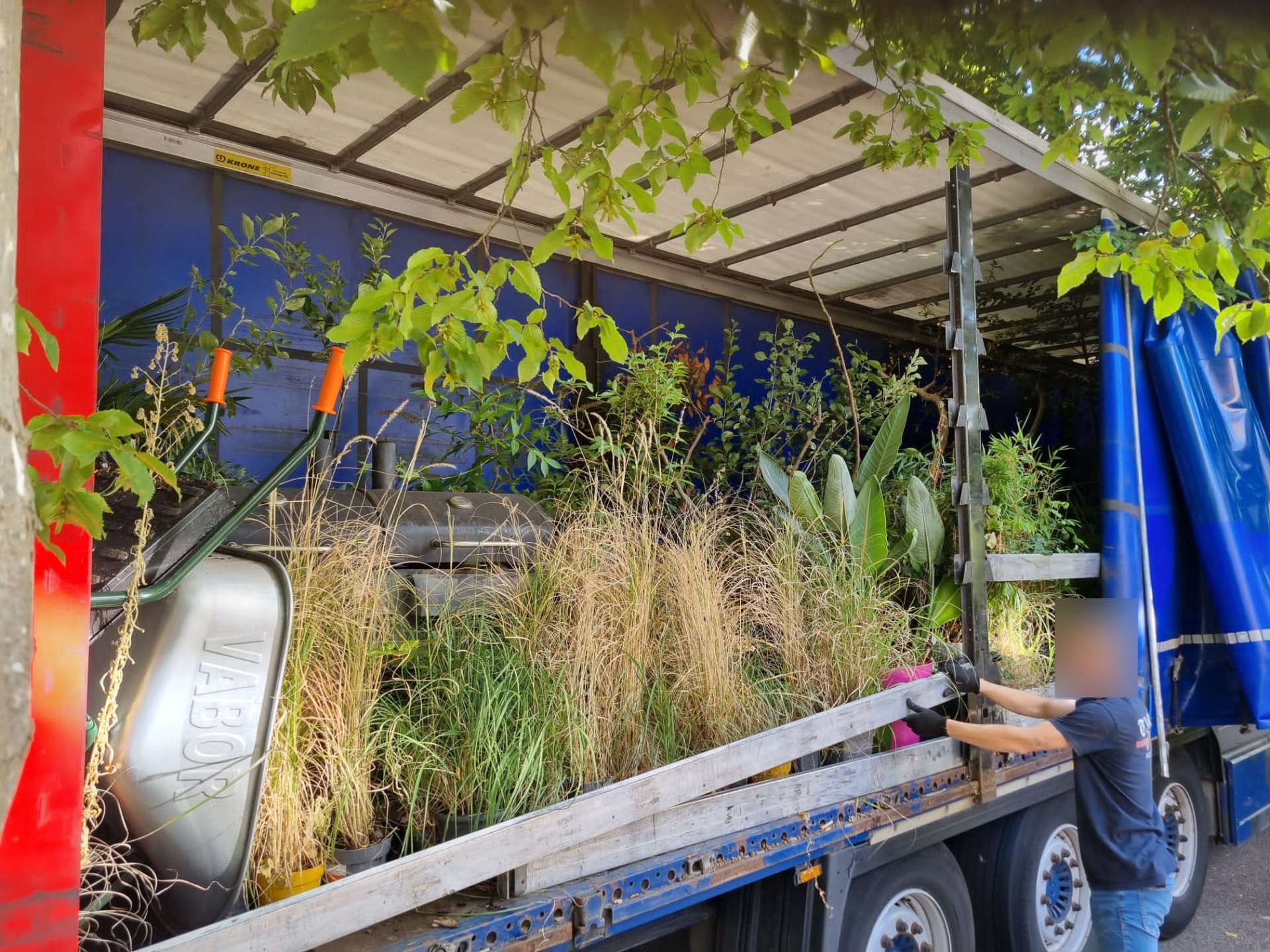
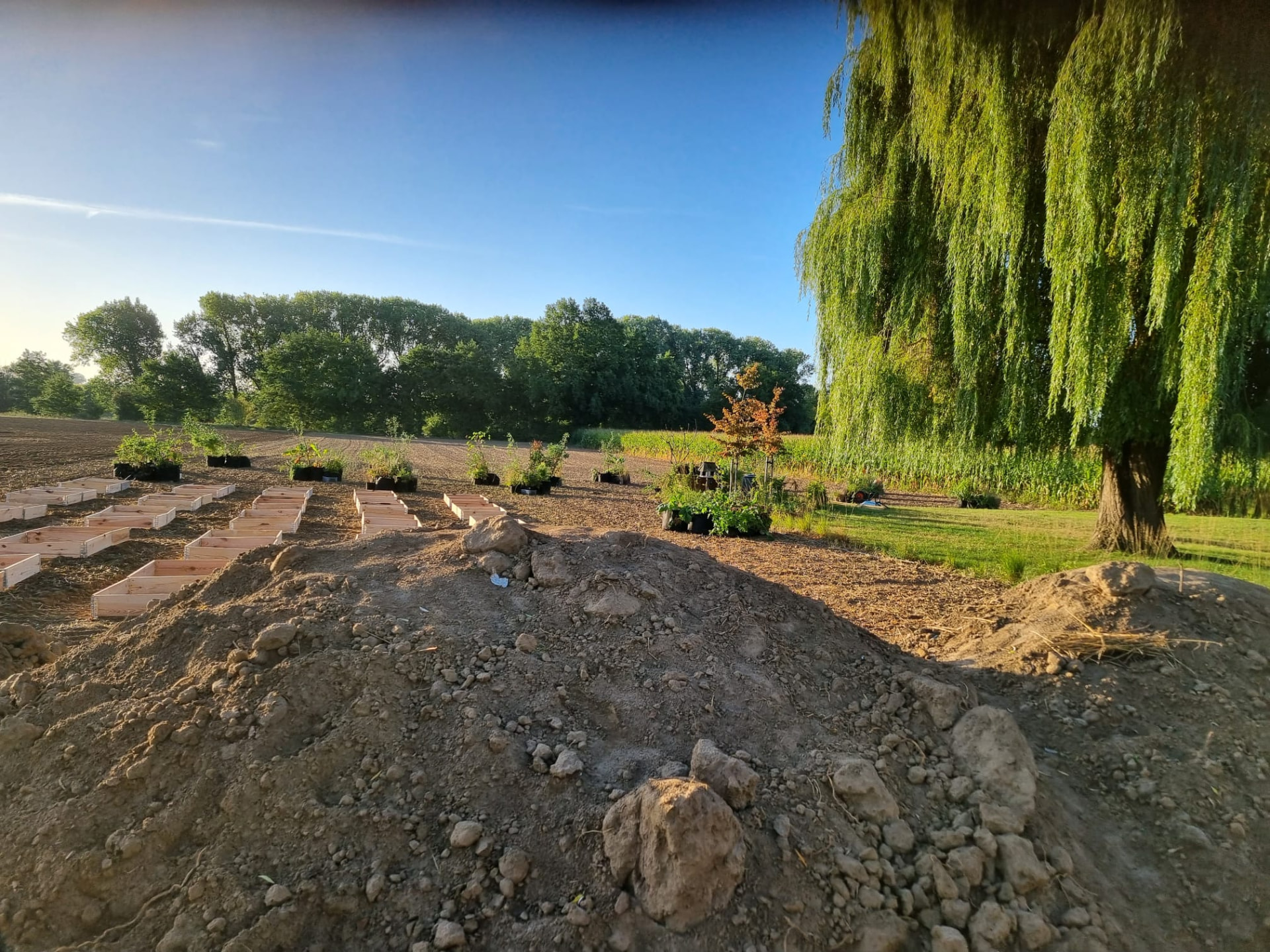
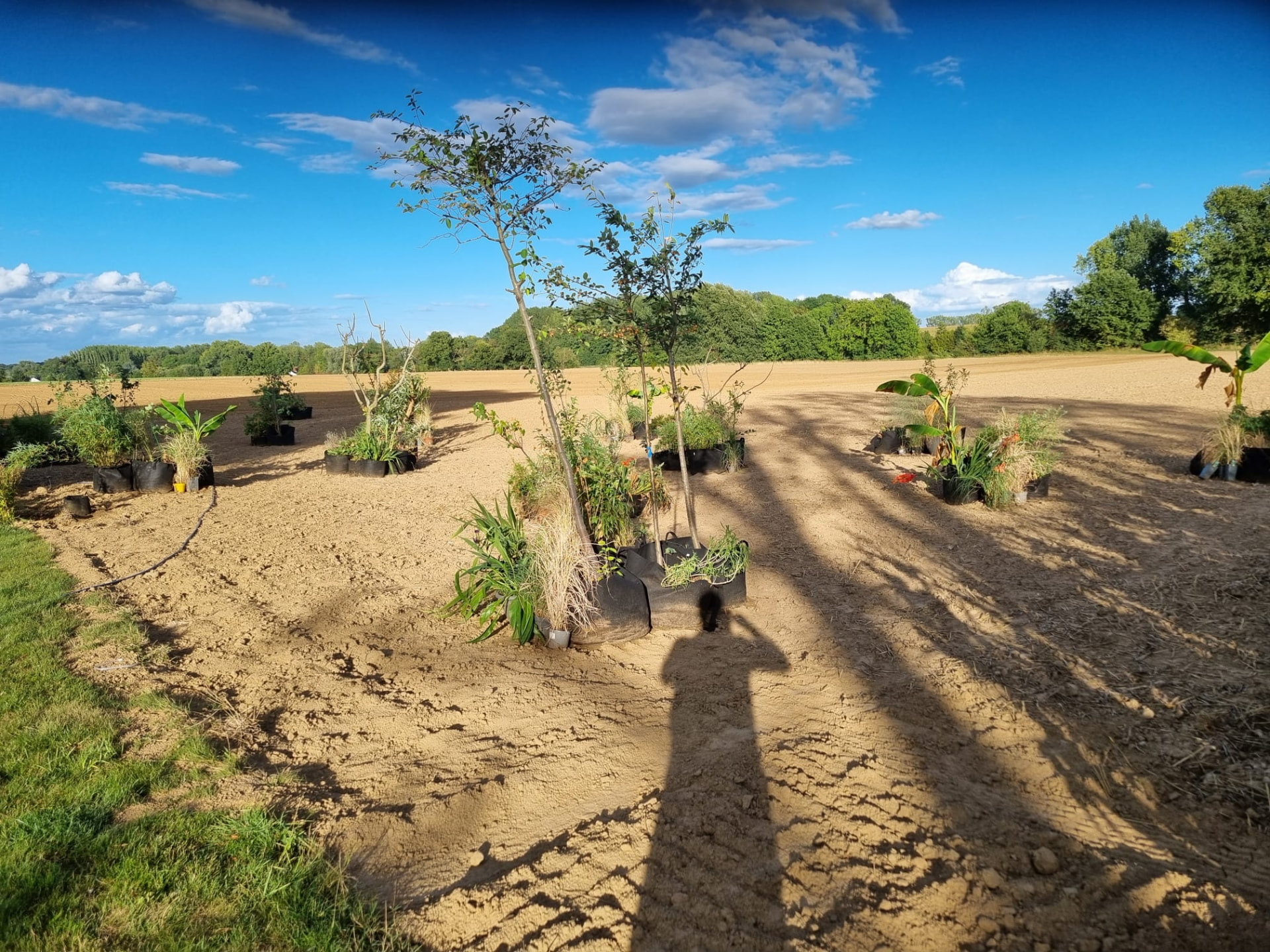
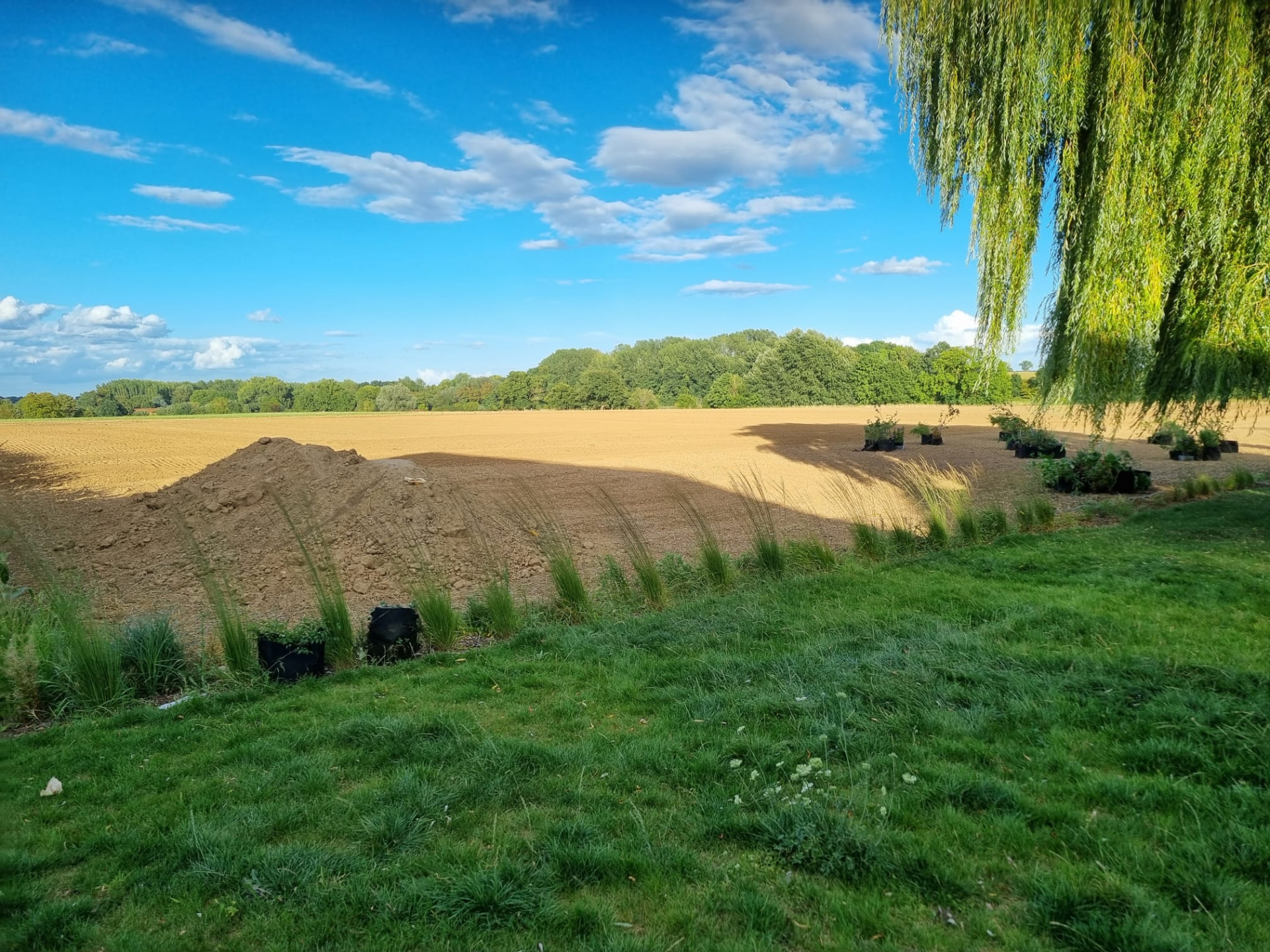 View all 29 photos →
External links open in a new tab. KURBI is not responsible for the content of external websites.
Make roughly 50 metres of new landscape element possible: a varied hedgerow of mainly native shrubs and trees.
Discover this project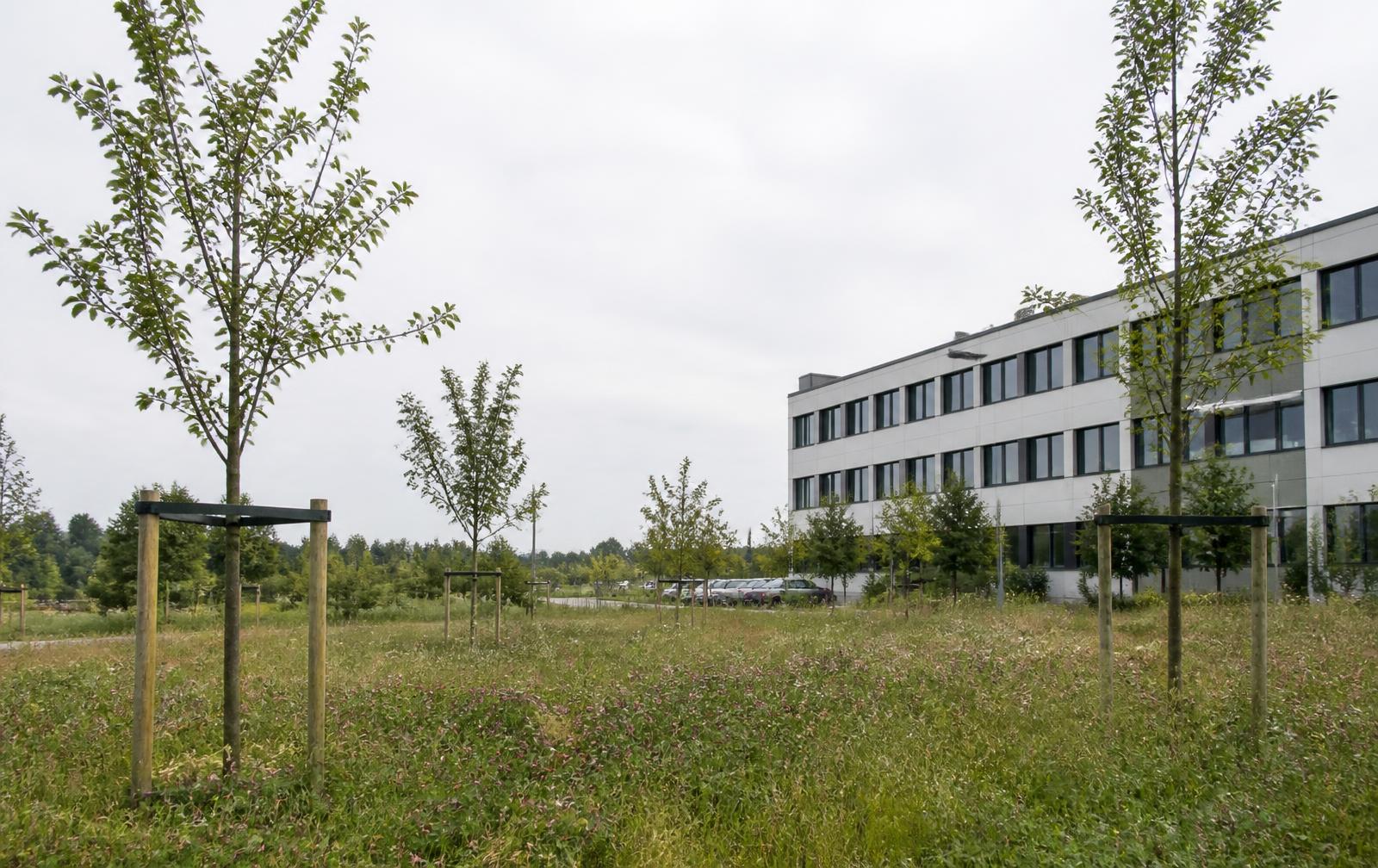
Help plant five quality high-stem fruit trees, with particular attention to old and regional varieties.
Discover this project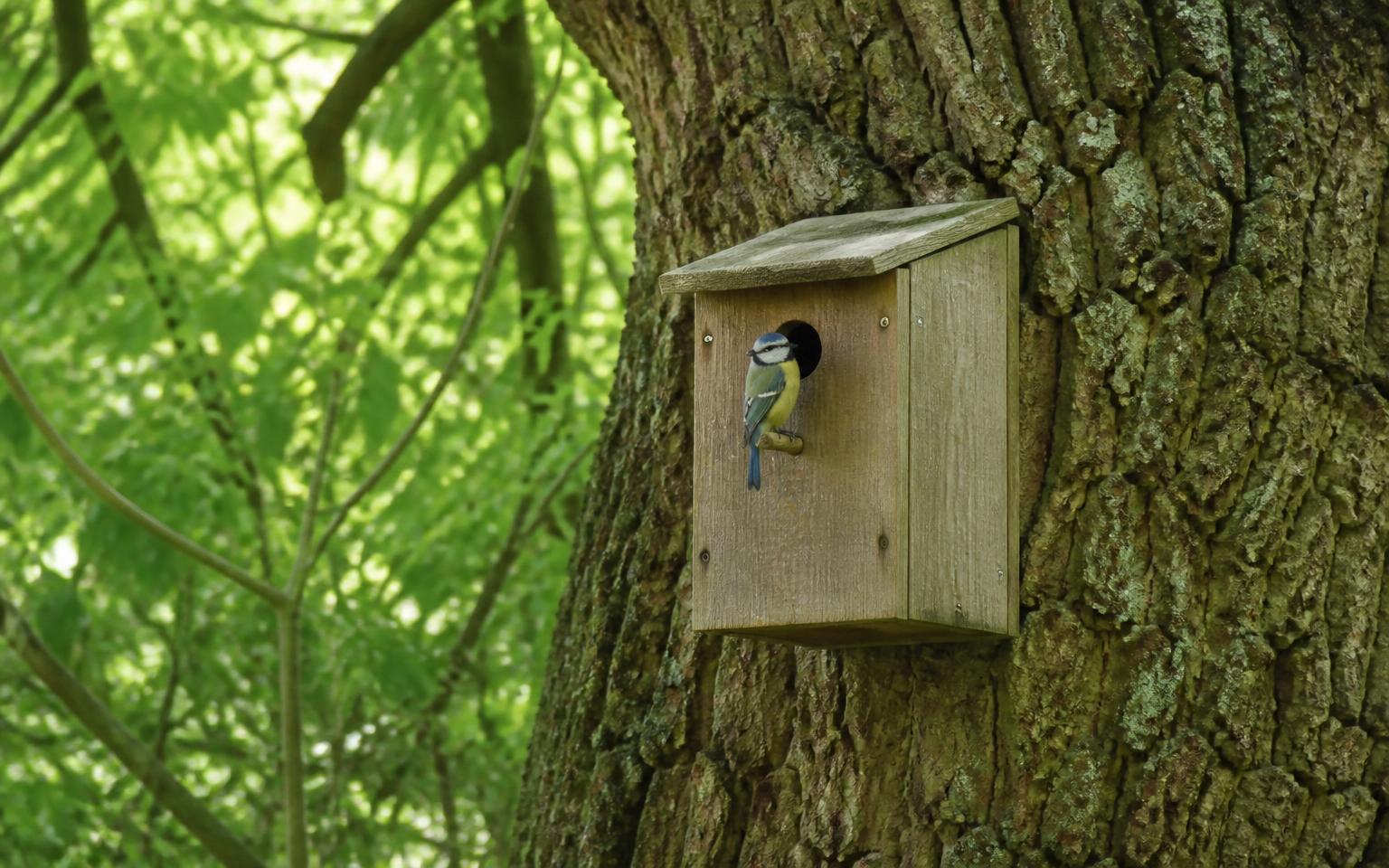
Safe nesting places for birds and small mammals, adapted to the needs of different species.
Discover this project€ 1.000 — excl. VAT per project and per project year