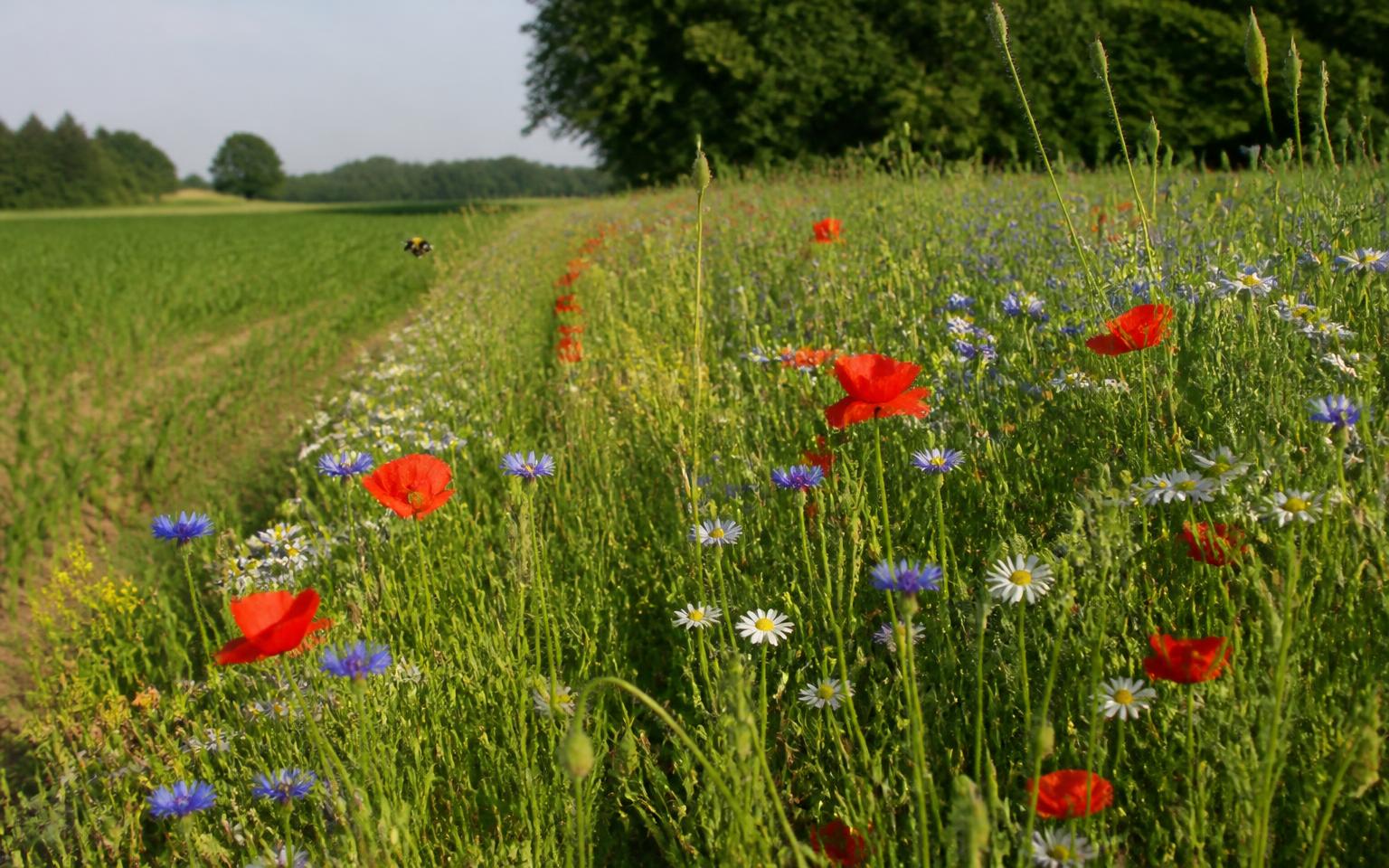
Flower meadows
More flowers, more pollinators, more colour — a food source for wild bees, bumblebees and butterflies.
Discover this projectOur projects
Investing in our most important pollinators, professionally managed by a beekeeper.
en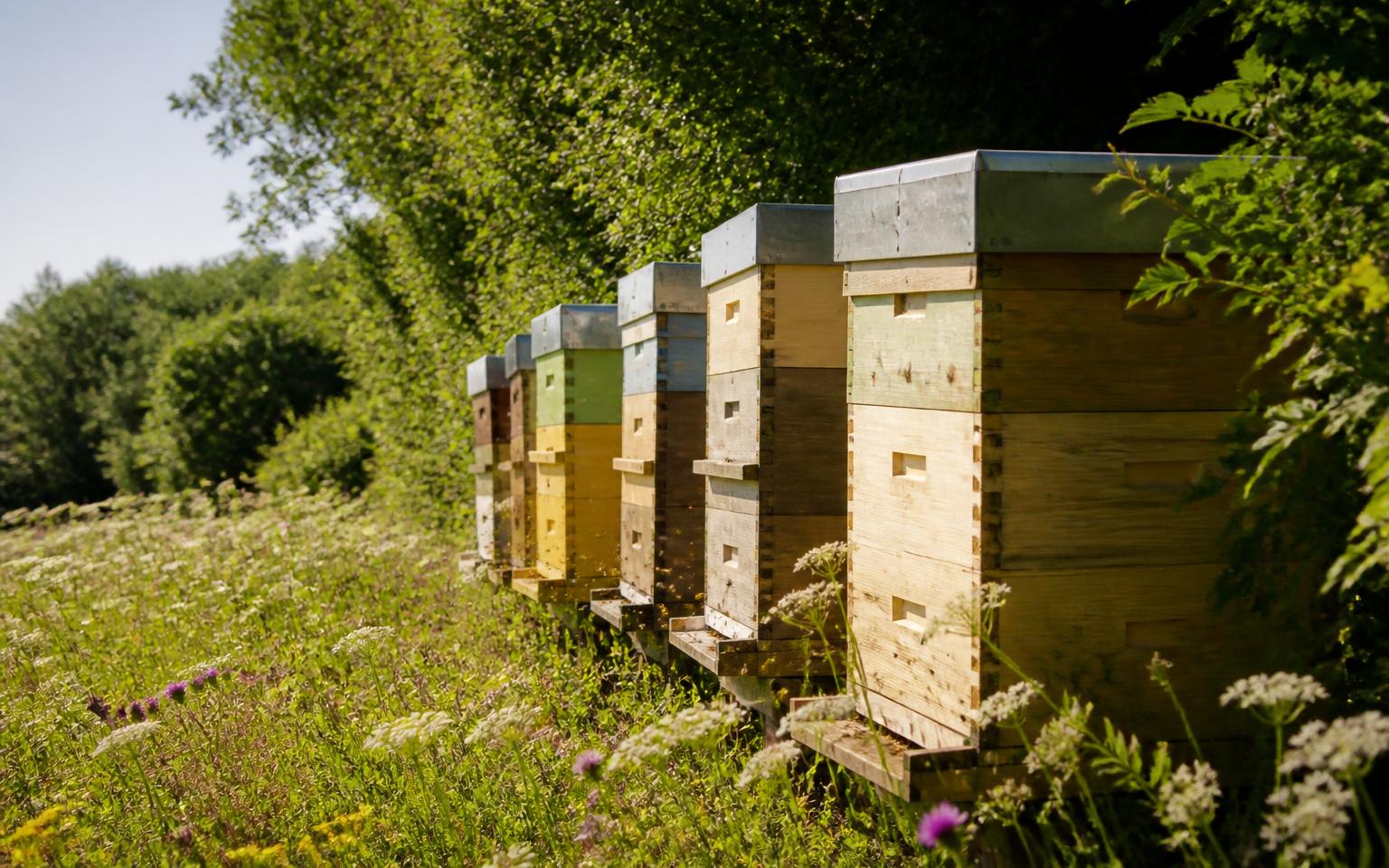
When a fruit tree blooms, a poppy forms seed, or a wildflower meadow bursts into colour, an invisible miracle is taking place.
From flower to flower, pollinators fly in search of nectar and pollen.
In doing so, they enable thousands of plant species to reproduce.
Without pollinators, many wild plants would disappear.
Numerous agricultural crops would also yield far less.
A biodiverse landscape therefore does not begin with humans.
It begins with pollinators.
At KURBI, we look much more broadly than the classic honeybee.
Flanders is home to more than 400 species of wild bees, alongside dozens of species of bumblebees, hoverflies, butterflies, moths and other insects, all of which play a role in pollination.
Each species has its own preferences. Some mainly visit fruit trees. Others prefer wildflowers. Yet others pollinate plants that are barely visited by honeybees.
It is precisely this richness of pollinators that makes a landscape resilient.
That is why KURBI wants not only to support honeybees, but above all to ensure a landscape in which all pollinators find food and shelter.
That is a fair question. If biodiversity encompasses so much more than honeybees, why does KURBI still choose beehives?
Because the honeybee is an excellent ambassador. Almost everyone knows it. Everyone intuitively understands why it is important. A beehive makes the story of pollination visible. From there, interest often also grows in wild bees, bumblebees, butterflies and other pollinators. Our bee colonies are therefore not an end goal. They form a gateway to a much bigger story.
A bee gets little from a landscape that only bears flowers for a few weeks. Pollinators need food from the first warm spring days deep into autumn.
That is why KURBI looks not only at the beehive. We look at the entire landscape. Wildflower meadows. Flowering shrubs. Hedges. Trees. Wild corners. Ponds. Everything contributes to a longer flowering period.
The greater the variety, the greater the chance that pollinators find enough nectar and pollen throughout the whole season.
Spring: Nature awakens. Hazel, willow, blackthorn and fruit trees form the first important food sources. After winter, the bee colonies begin to grow strongly again. Many wild bee species also become active again.
Summer: Now biodiversity reaches its peak. Wildflower meadows are in full bloom. Clovers, oxeye daisies, knapweed, wild carrot and countless other species provide nectar and pollen. The landscape buzzes with life.
Autumn: Even after summer, pollinators need food. Late-flowering species such as ivy, Michaelmas daisies and various wild herbs provide the last important nectar sources before winter sets in. A biodiverse landscape does not stop in July.
Winter: During winter, honeybees barely leave the hive. Wild bees often overwinter in a completely different way. Some live as larvae. Others as pupae. Yet others as adult insects in hollow stems, old hedgerows or bare sandy patches. That is why wild corners and natural nesting opportunities are so important.
Within KURBI, bee colonies are not kept to produce as much honey as possible.
Their greatest value lies elsewhere. They make pollination visible; strengthen the biodiversity story; attract visitors; demonstrate the importance of pollinators; and form a recognisable symbol of a healthy landscape. Honey can be a nice by-product. But biodiversity remains the main point. Incidentally, it is not necessary to remove honey; it can perfectly well be left with the bees, giving them everything they need to get through winter.
Beehives are only placed at locations that are suitable for them.
In doing so, we take into account flight direction; distance to walking routes; sufficient food in the surroundings; shelter from wind; accessibility for the beekeeper providing care; visitor safety; and rest for the bee colonies.
Not every location is suitable. That is why every site is carefully assessed beforehand.
🐝 Flanders is home to more than 400 species of wild bees.
🐝 Only one of these is the honeybee.
🐝 A worker bee visits thousands of flowers during her lifetime.
🐝 Bees use a so-called waggle dance to show fellow bees where to find food.
🐝 Wild bees often do not form a colony at all, but live solitarily.
🐝 Some wild bees collect pollen exclusively from a single plant species.
🐝 Bees can sometimes smell flowers from kilometres away.
🐝 There are now so many new diseases and invasive species threatening bees that a honeybee colony can no longer survive the winter without a beekeeper's help.
For € 1,000 excluding VAT per year, your business supports, for one year:
the professional management of two bee colonies;
guidance by a beekeeper;
maintenance of the hives;
health checks;
winter preparation;
and the further development of a pollinator-friendly landscape.
Your contribution therefore supports not just two beehives. It also contributes to wildflower meadows, flowering landscapes and an environment in which all pollinators get more opportunities.
For nature: More pollination activity and more attention to pollinator-friendly landscapes.
For agriculture: A richer network of pollinators supports numerous agricultural crops and fruit species.
For visitors: Beehives make an invisible ecological process visible.
For businesses: A strong and recognisable biodiversity project that fits excellently with ESG objectives and communication about local sustainable enterprise.
For the local area: A landscape in which pollinators are once again given the space they need.
Do the bees produce honey?: Yes, but honey production is not an end in itself. We always consider leaving the honey as the best way for the bees to get through winter. The project is primarily about biodiversity and pollination.
Why does KURBI support honeybees when wild bees are also important?: Because honeybees are a visible symbol of pollination. At the same time, through wildflower meadows, wild zones and natural nesting opportunities, KURBI is investing in a landscape that also benefits bumblebees, solitary bees, hoverflies and butterflies.
Are the bees fed supplementary food?: When necessary for their health or overwintering, and in accordance with the principles of responsible beekeeping.
A pollinator is small. Its impact is enormous. Every flower that is visited, every fruit that consequently forms, and every plant that once again produces seed, is part of the same story.
KURBI wants to make that story visible. Not merely by placing beehives. But by creating a landscape in which pollinators once again find enough food, rest and opportunities. Because ultimately, we are not protecting a beehive. We are protecting the life that depends on it.
Help support the professional management of two bee colonies and the development of a pollinator-friendly local landscape.
€ 1,000 excluding VAT per year
First-year update 2025–2026
Read what we did and learned for this project on our test site next to the Velpestraat in Bierbeek.
Read the updateExternal links open in a new tab. KURBI is not responsible for the content of external websites.
More flowers, more pollinators, more colour — a food source for wild bees, bumblebees and butterflies.
Discover this project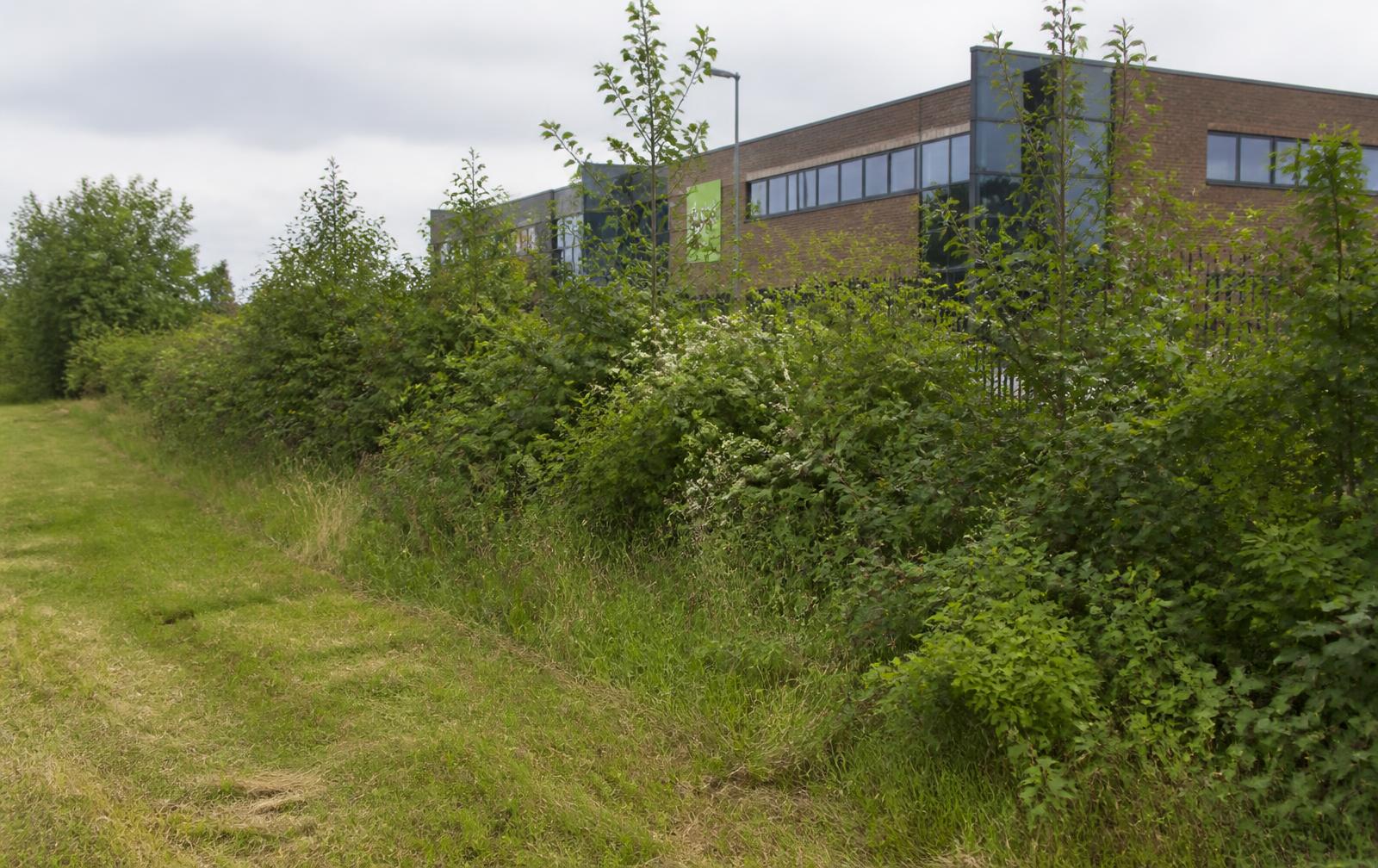
Make roughly 50 metres of new landscape element possible: a varied hedgerow of mainly native shrubs and trees.
Discover this project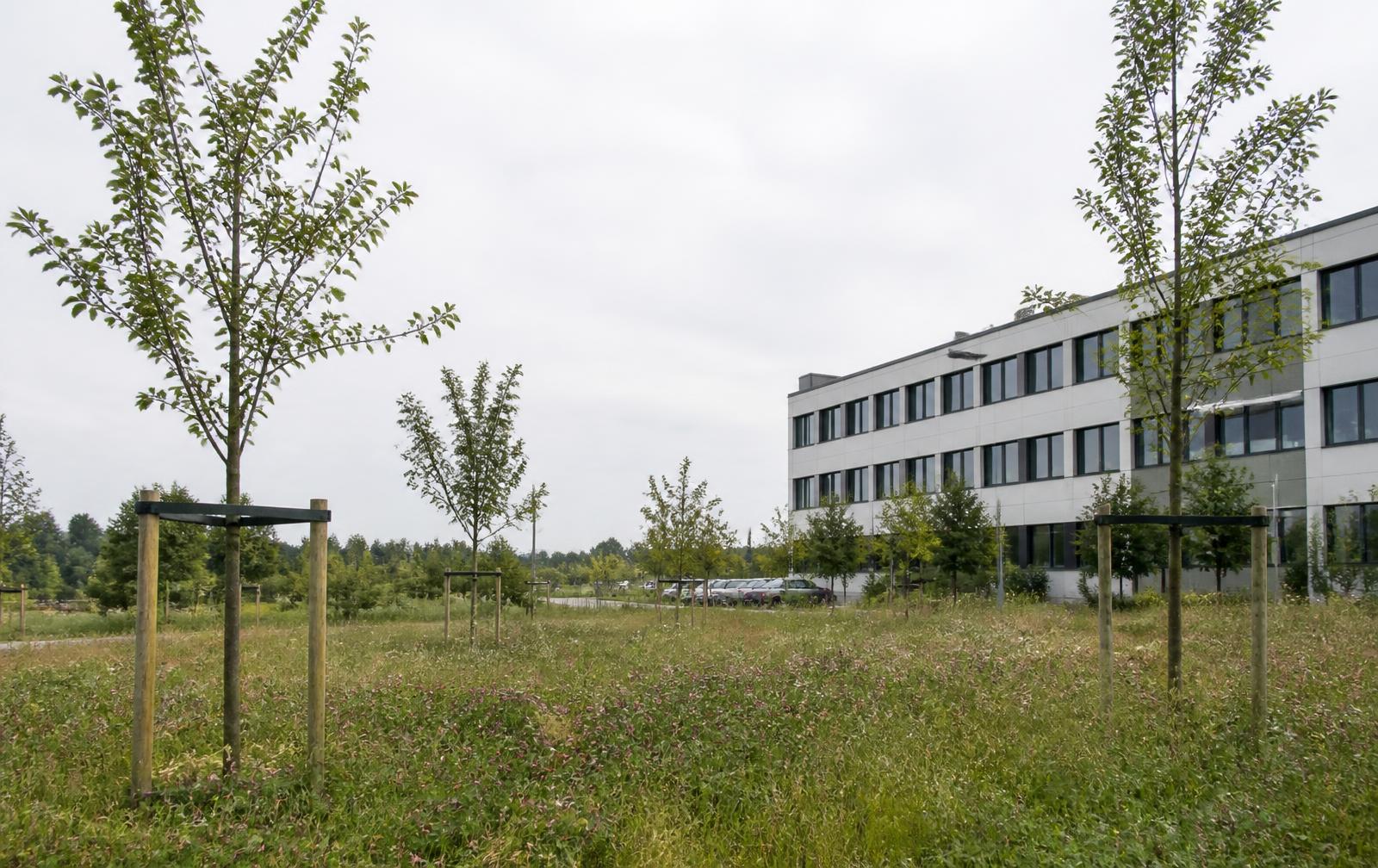
Help plant five quality high-stem fruit trees, with particular attention to old and regional varieties.
Discover this project€ 1.000 — excl. VAT per project and per project year