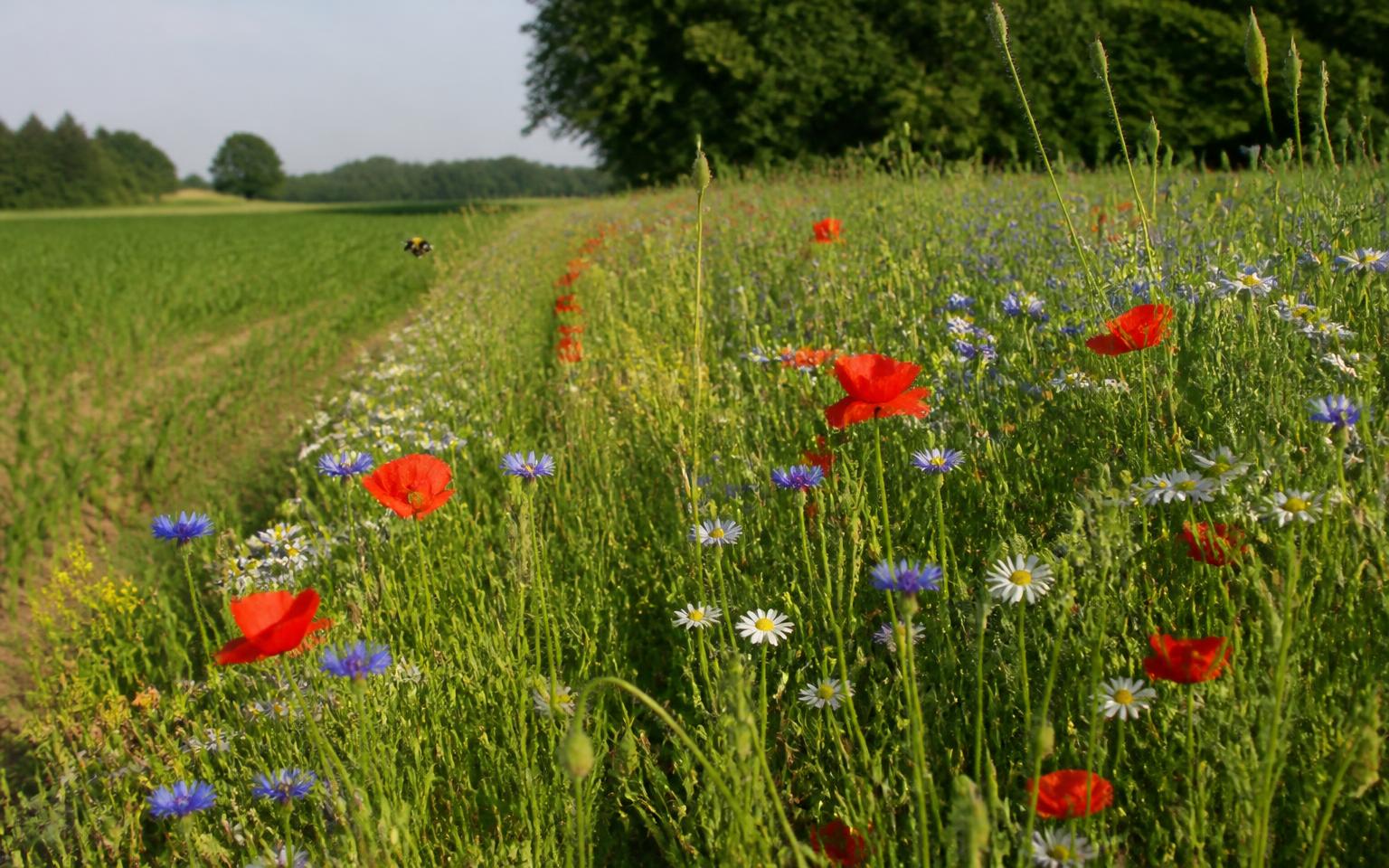
Flower meadows
More flowers, more pollinators, more colour — a food source for wild bees, bumblebees and butterflies.
Discover this projectOur projects
Giving nature room: shelter for hedgehogs, insects, birds and small animals.
en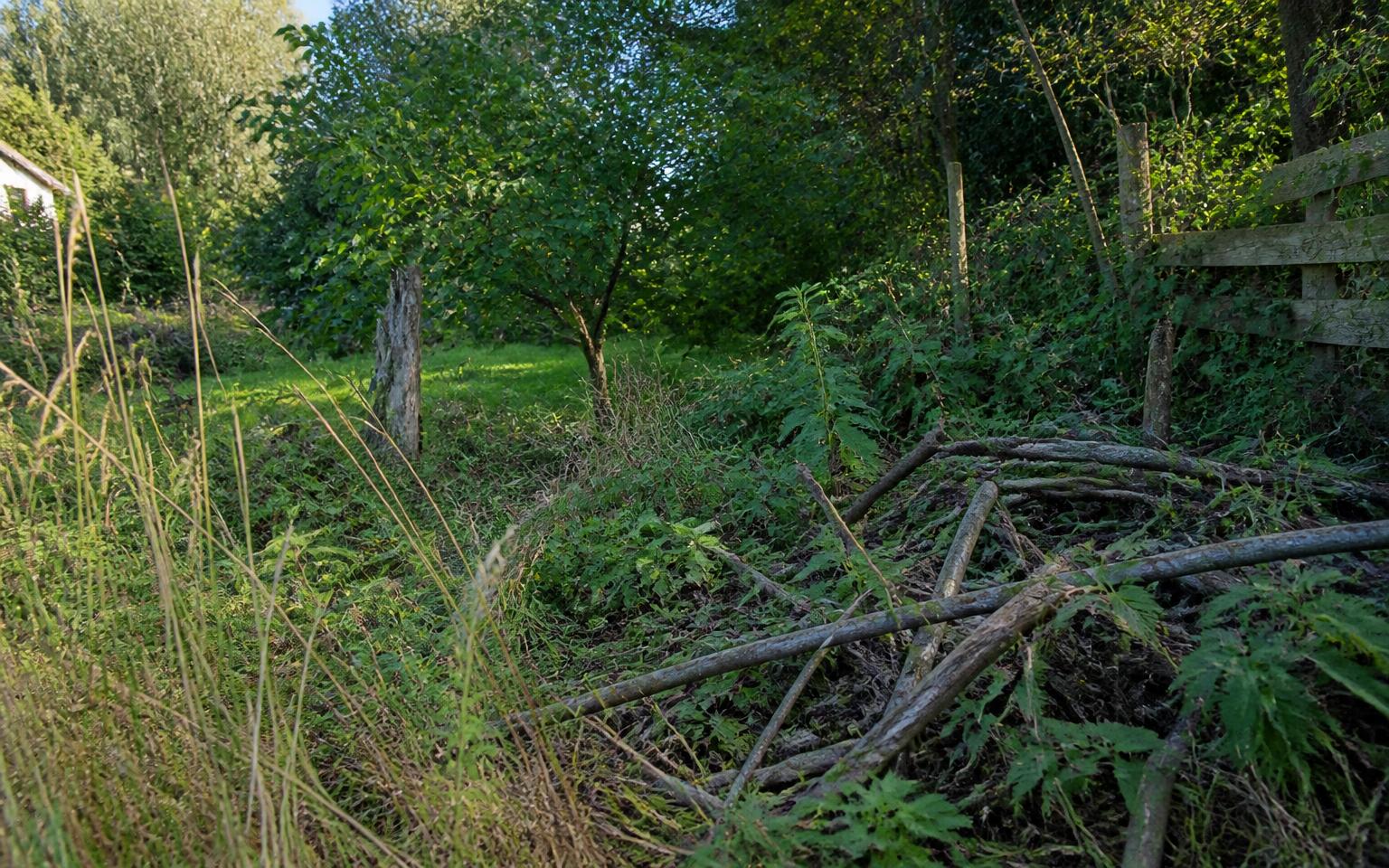
When people think of nature management, they often think of planting, mowing, pruning or landscaping.
But some of the most valuable pockets of nature arise precisely because people step back.
A corner where the grass is allowed to grow longer.
A pile of branches left in place.
Dead plants that are not immediately cleared away.
A strip that is deliberately left unmown.
For many animals, this does not mean neglect. It means a home.
A neatly mown lawn looks tidy. But ecologically it is often poor.
When every square metre is managed in the same way, shelter, food sources and nesting opportunities disappear.
A landscape only becomes biodiverse when it offers variety. Open patches. Flowers. Water. Trees. Hedges. And also... corners where nature is briefly allowed to go its own way.
What may seem "untidy" to humans is a matter of life and death for many animals.
Wild natural corners provide shelter to, among others: hedgehogs; toads; salamanders; wild bees; bumblebees; spiders; ground beetles; butterflies; small mammals; and songbirds.
It is precisely these small animals that form the basis of a healthy ecosystem.
Many insects seek a suitable overwintering spot months before winter arrives. Dead flower stems. Leaves. Hollow branches. Old wood. Tufts of grass.
To a human, these look like leftovers. To an insect, they mean the difference between life and death.
That is why KURBI does not clear everything away. We deliberately leave room for nature.
A wild natural corner does not mean that no one looks after the site anymore. On the contrary. This too requires management. Rewilding is not a lack of management. It is considered management.
Within KURBI, a partnership supports three separate wild zones. There is a simple reason for this. Every location is different. One spot is sunny. Another is shaded. One lies next to a wildflower meadow. Another runs along a hedgerow. By establishing different wild corners, more variety is created. And more variety usually means more biodiversity.
It is not only flowers that matter. Spent plants also play a role. Many wild bees nest in hollow stems. Butterfly pupae overwinter among dead plants. Spiders build their webs among old herbs. Ground beetles shelter under leaves. That is why a wild corner remains valuable even after flowering has finished.
The word "weed" often says more about our expectations than about the plant itself. Many so-called weeds are among the most important food plants for insects. Nettles, for example, form an essential host plant for various butterflies. Thistles provide nectar for bees and bumblebees. Dandelions are among the first important food sources in spring. KURBI therefore looks at spontaneous vegetation differently. Not everything that grows spontaneously has to disappear.
A wild corner is constantly changing. In spring, new herbs appear. During summer, it buzzes with insects. In autumn, plants form seeds. In winter, stems remain standing as natural shelters. Those who look closely discover something different in every season.
For € 1,000 excluding VAT per year, your business supports, for one year, the establishment of three wild natural corners and their ecological management.
For nature: More shelter. More food. More overwintering opportunities. More biodiversity.
For pollinators: More nesting opportunities. More flowering plants. More natural structures.
For birds: More insects means more food for young birds.
For agriculture: A greater presence of beneficial insects contributes to a more robust ecosystem around agricultural plots.
For visitors: Those who learn to look closely discover that even a small corner of nature can hold surprising richness.
🌿 One square metre of rough vegetation can shelter dozens of insect species.
🦋 Several butterfly species are entirely dependent on nettles for reproduction.
🐝 Many wild bees do not nest in beehives, but in bare soil, old stems or dead wood.
🍂 A tidy landscape is often a poor landscape.
🌾 It is precisely the transitions between wildflower meadows, hedgerows and rough vegetation that are among the most species-rich zones.
Why is the grass not fully mown?: Because many plants and animals are precisely dependent on taller vegetation.
Isn't this neglect?: No, there is a vision behind it. The difference is that nature is given more room.
Why are dead plants important?: Because they provide food, nesting opportunities and overwintering places for countless insects.
A wild natural corner takes up little space. But it gives back incredibly much. It shows that biodiversity does not always start with large investments. Sometimes it simply starts with the courage to let a small piece of nature be itself again.
Help ecologically manage three wild nature corners for one year in a local area.
€ 1,000 excluding VAT per year
First-year update 2025–2026
Read what we did and learned for this project on our test site next to the Velpestraat in Bierbeek.
Read the updateRough, flower-rich and sheltered places on the test site in Bierbeek, summer 2026.
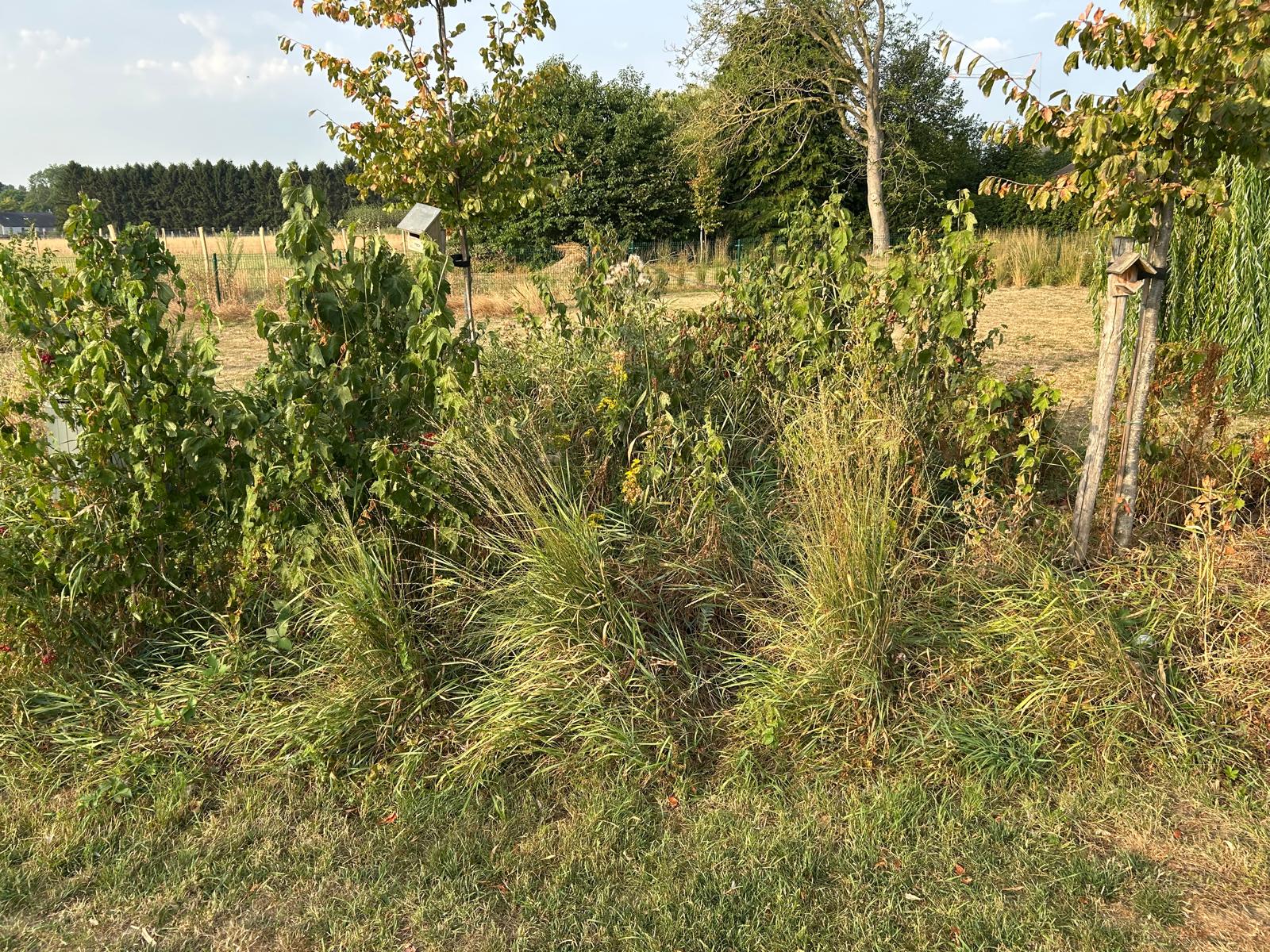
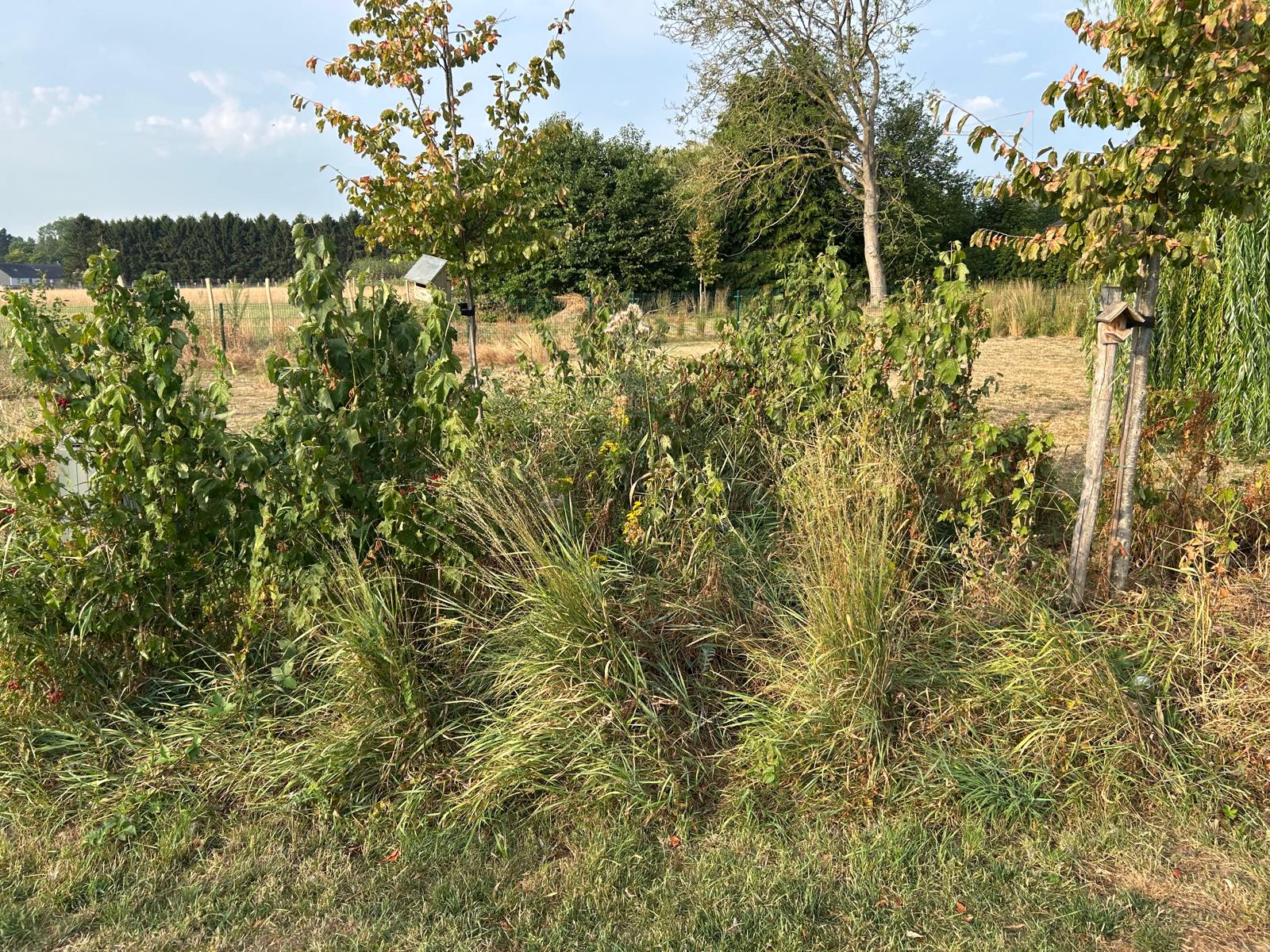
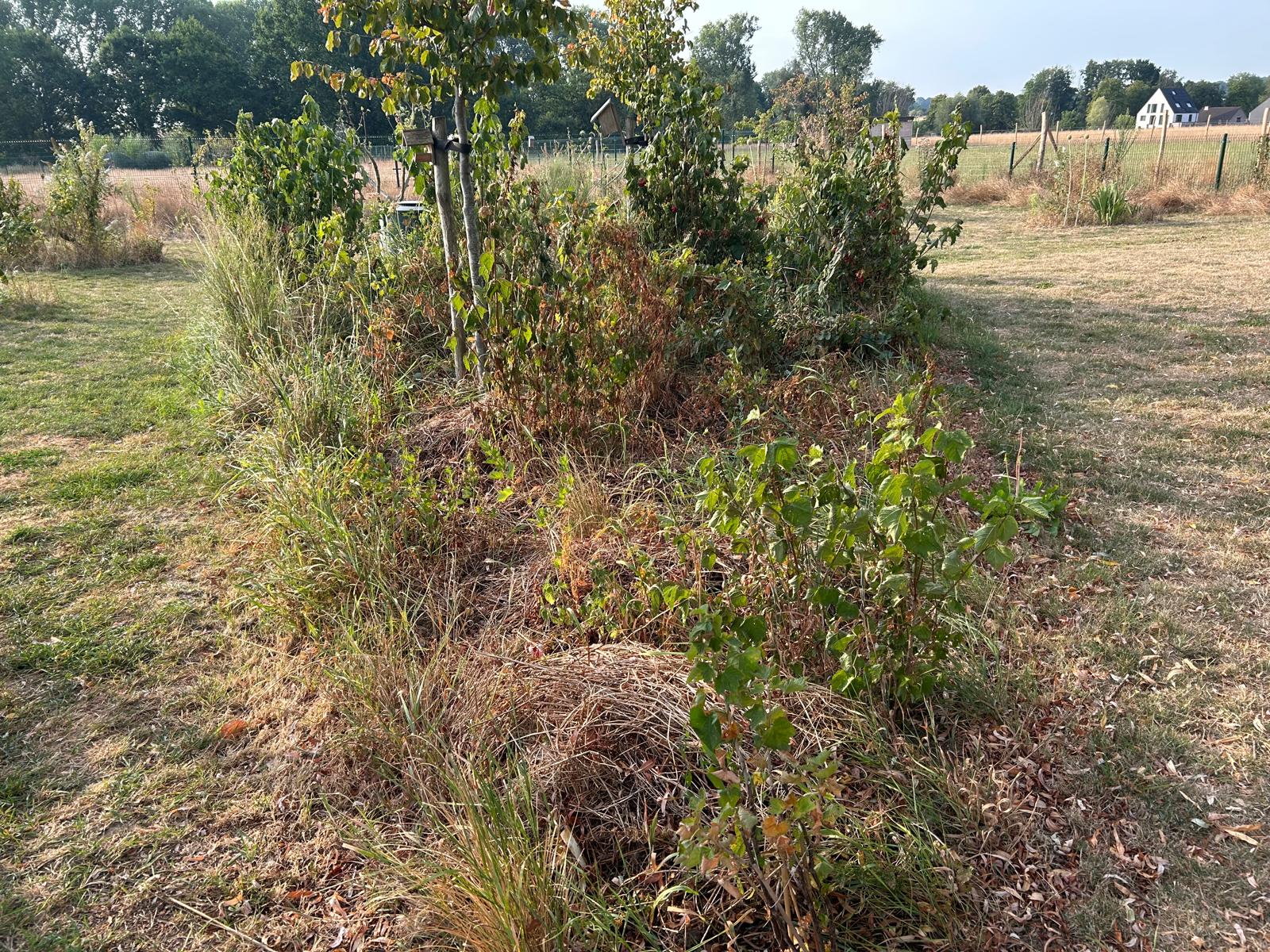
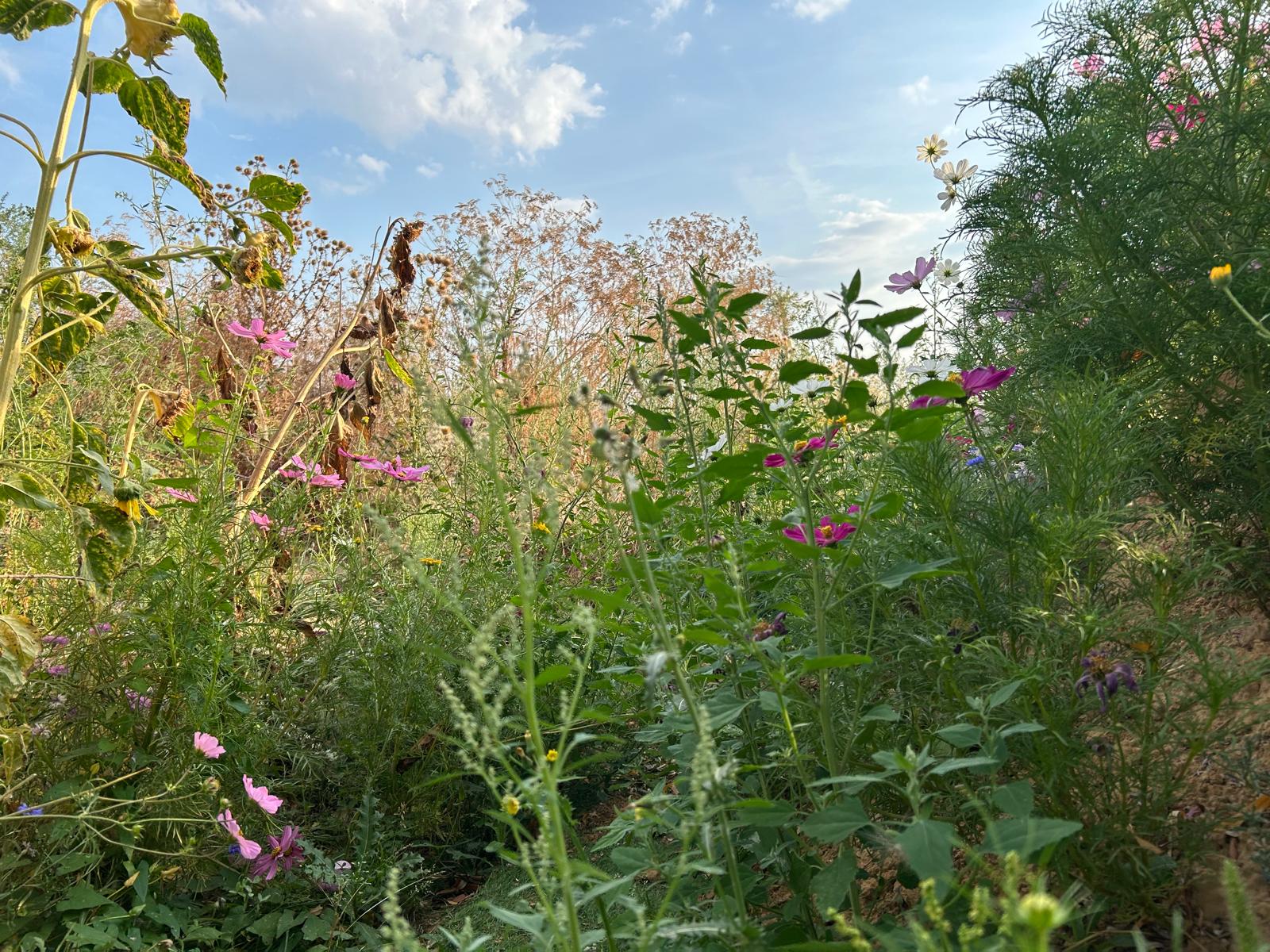 View all 8 photos →
External links open in a new tab. KURBI is not responsible for the content of external websites.
More flowers, more pollinators, more colour — a food source for wild bees, bumblebees and butterflies.
Discover this project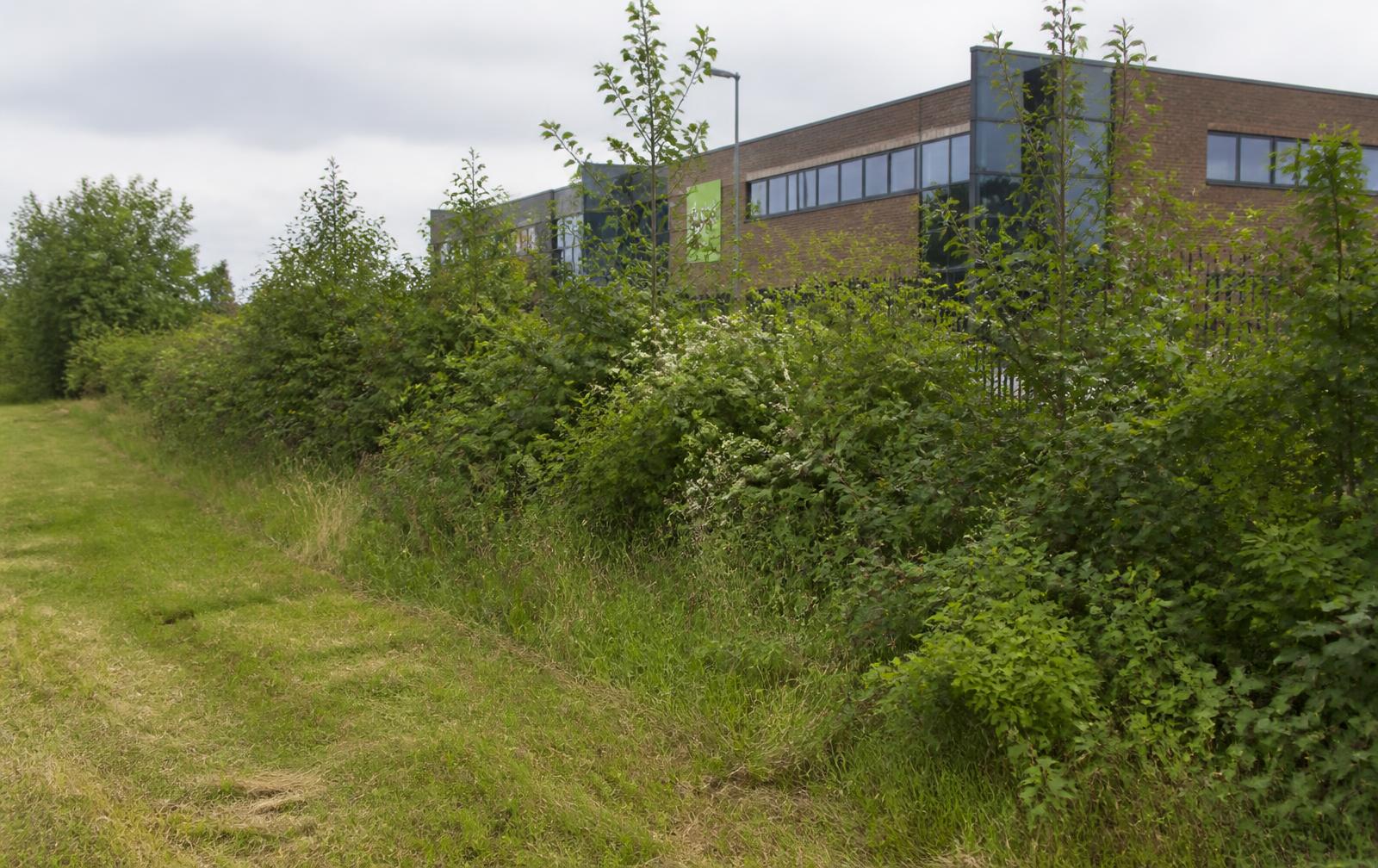
Make roughly 50 metres of new landscape element possible: a varied hedgerow of mainly native shrubs and trees.
Discover this project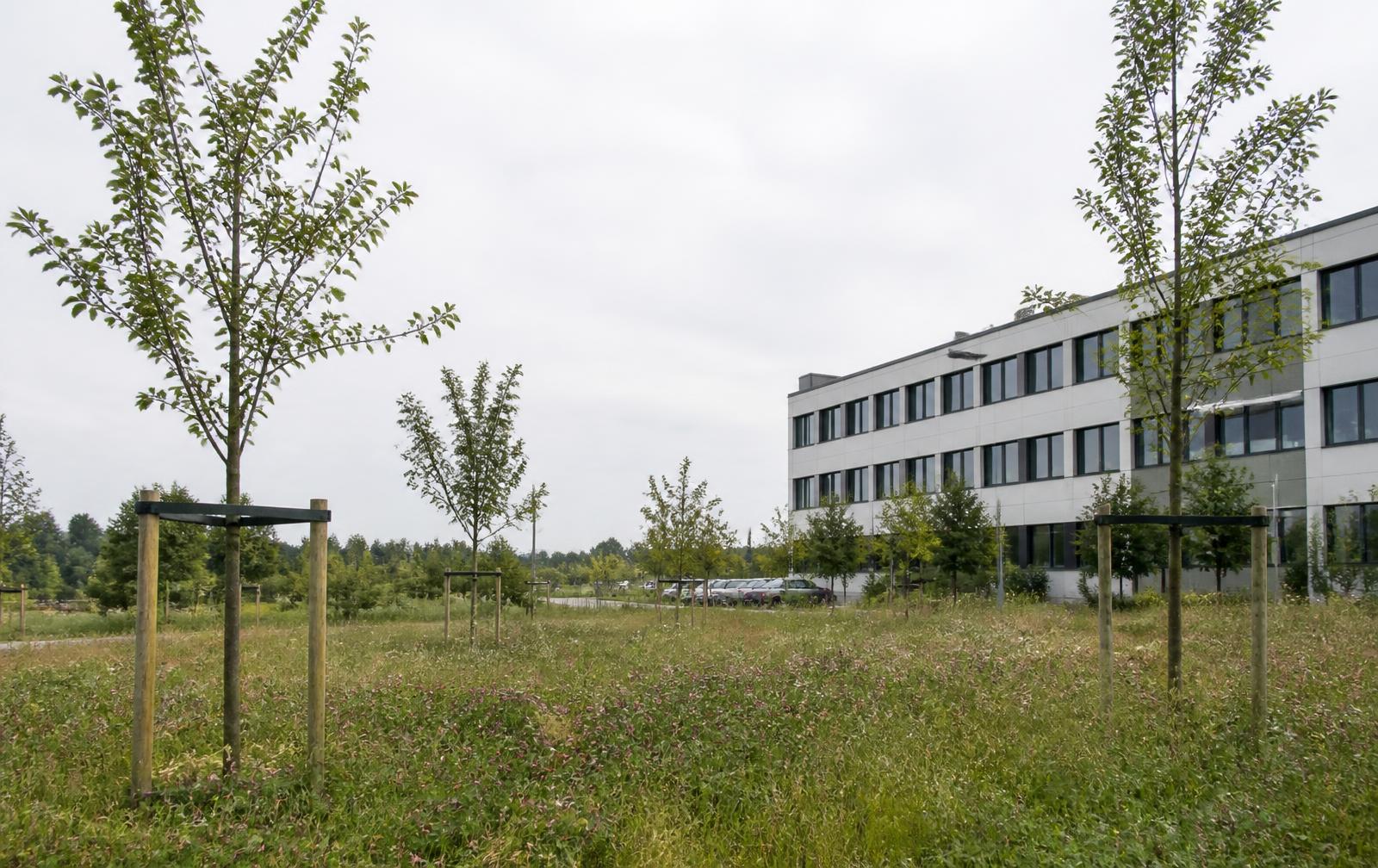
Help plant five quality high-stem fruit trees, with particular attention to old and regional varieties.
Discover this project€ 1.000 — excl. VAT per project and per project year