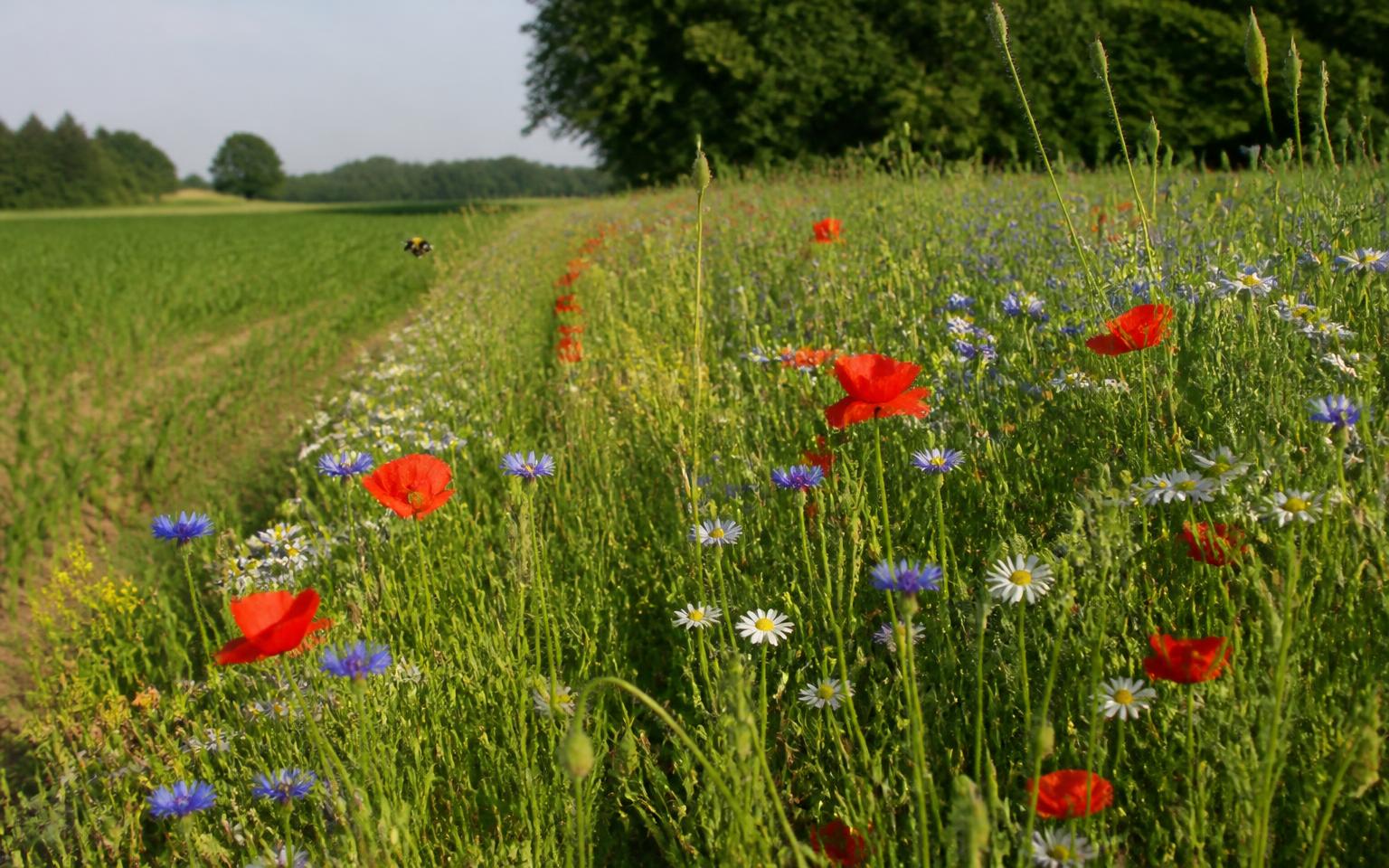
Flower meadows
More flowers, more pollinators, more colour — a food source for wild bees, bumblebees and butterflies.
Discover this projectOur projects
Water brings life: habitat for amphibians, dragonflies and aquatic insects.
en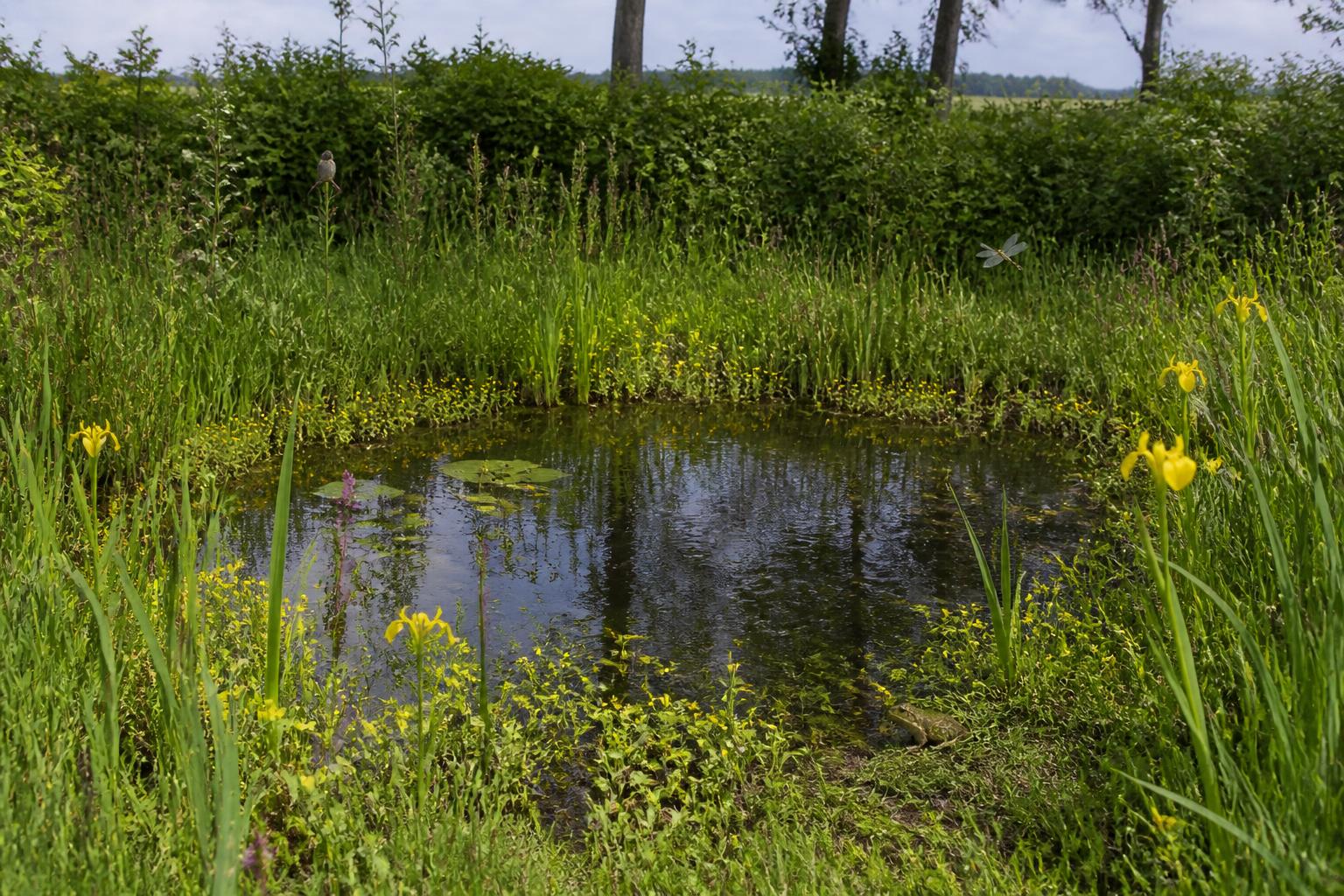
When people think of biodiversity, they often think of flowers, trees or birds. But for thousands of plant and animal species, biodiversity begins with something much simpler: Water.
A well-constructed nature pond is one of the most species-rich landscape elements that can be created within an agricultural environment. In and around a pond, habitats emerge for amphibians, water insects, dragonflies, birds, small mammals and numerous plant species.
That is why nature ponds are one of the most valuable projects within KURBI.
A nature pond does not need to be large to make a big difference. On the contrary. Small ponds in particular often form a safe breeding place for amphibians such as frogs, toads and newts. At the same time, they attract dragonflies, damselflies, water beetles and many other species.
Birds use the pond to drink or bathe. Mammals visit it during dry periods. Even pollinators benefit from the presence of water.
A nature pond brings life into the landscape, quite literally.
A nature pond is not an ornamental pond. No fountains are installed. No decorative lighting. No exotic fish. On the contrary, a nature pond is created with respect for its natural surroundings. The aim is for plants and animals to be able to settle spontaneously. Precisely because of this, a rich ecosystem develops.
Because a single nature pond fulfils several functions at once:
For nature: New habitats.
For pollinators: Water during warm periods.
For birds: A place to drink and bathe.
For amphibians: A breeding place.
For the landscape: More variety.
For visitors: A greater experience of nature.
For agriculture: More ecological variation within the landscape.
Water forms the starting point of numerous food chains. Where water appears, plants follow. Where plants grow, insects appear. Where insects live, birds follow. Where birds find food, biodiversity grows once again.
A nature pond is therefore not a stand-alone project. It forms a link within the full KURBI landscape of wildflower meadows, nest boxes, wild natural corners, bees and grazing. Everything reinforces everything else.
A nature pond does not maintain itself. Here too, good management is essential. Depending on the situation, attention may, among other things, be needed for: controlling bank vegetation; removing excessive growth; monitoring water quality; safety; and maintaining open water.
Good management ultimately determines the ecological value of the pond.
For € 1,000 excluding VAT per year, your business supports:
the construction of a nature pond;
ecological management;
follow-up;
maintenance;
annual reporting.
Your contribution helps create a lasting habitat for numerous plant and animal species.
A nature pond is one of the most visible biodiversity measures. It remains present for years. It evolves continuously. It tells a story. Your business can demonstrate its commitment to employees, customers and visitors through a concrete project that genuinely exists. That makes sustainable enterprise tangible.
Are fish introduced?: In principle, no. Many amphibians develop better in fish-free ponds.
Can a nature pond dry out?: Yes. This is even a natural phenomenon for some ponds. Not every temporary dry spell means the pond loses its ecological value.
How long does a nature pond last?: With good management, a nature pond can fulfil an important ecological function for decades.
A nature pond never looks the same two years in a row. New plants appear. Dragonflies discover the water. Amphibians return. Birds use the pond. Biodiversity grows. That makes every nature pond unique. And that is precisely why KURBI chooses to give water a place within the local landscape once again.
€ 1,000 excl. VAT per year
External links open in a new tab. KURBI is not responsible for the content of external websites.
More flowers, more pollinators, more colour — a food source for wild bees, bumblebees and butterflies.
Discover this project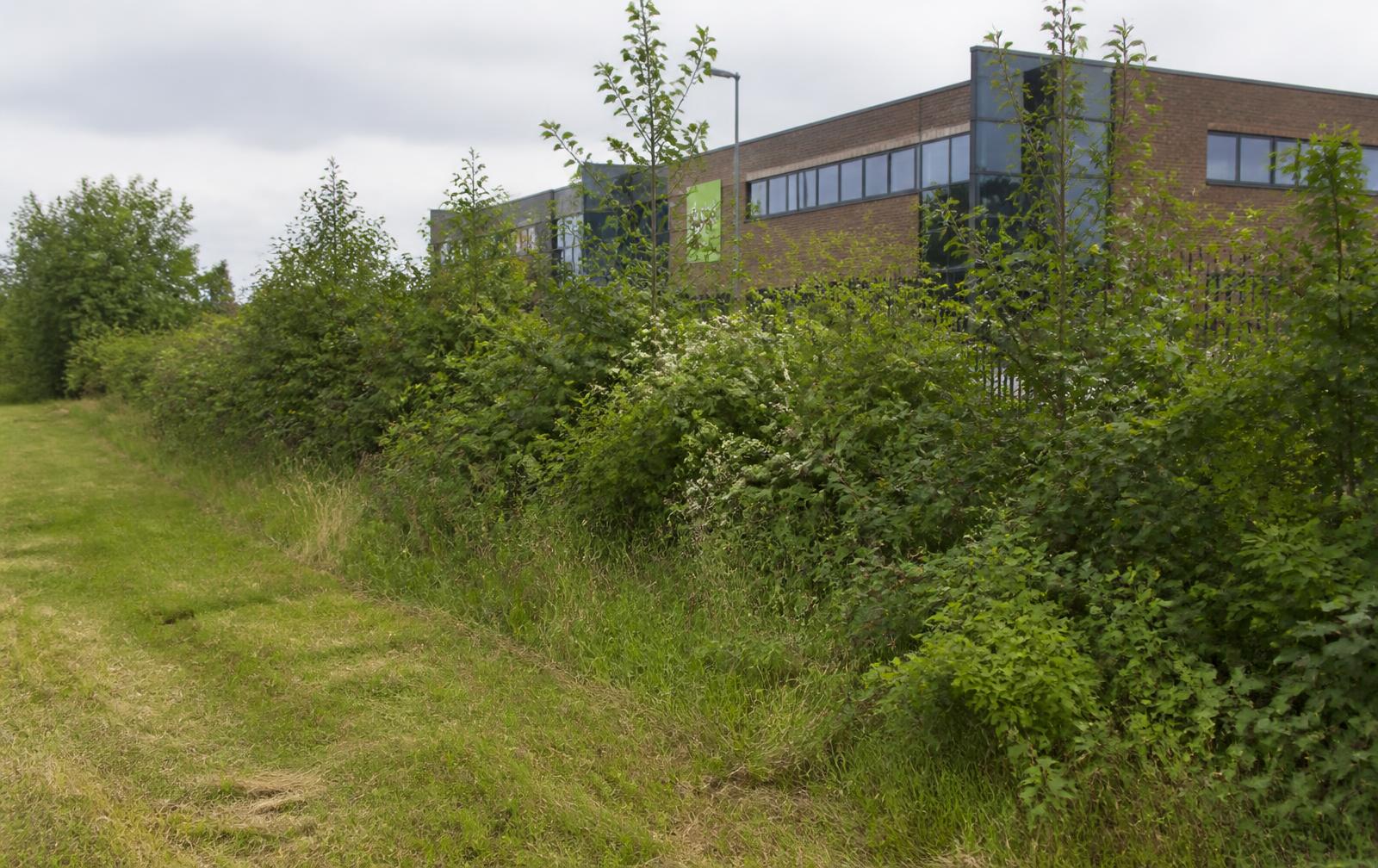
Make roughly 50 metres of new landscape element possible: a varied hedgerow of mainly native shrubs and trees.
Discover this project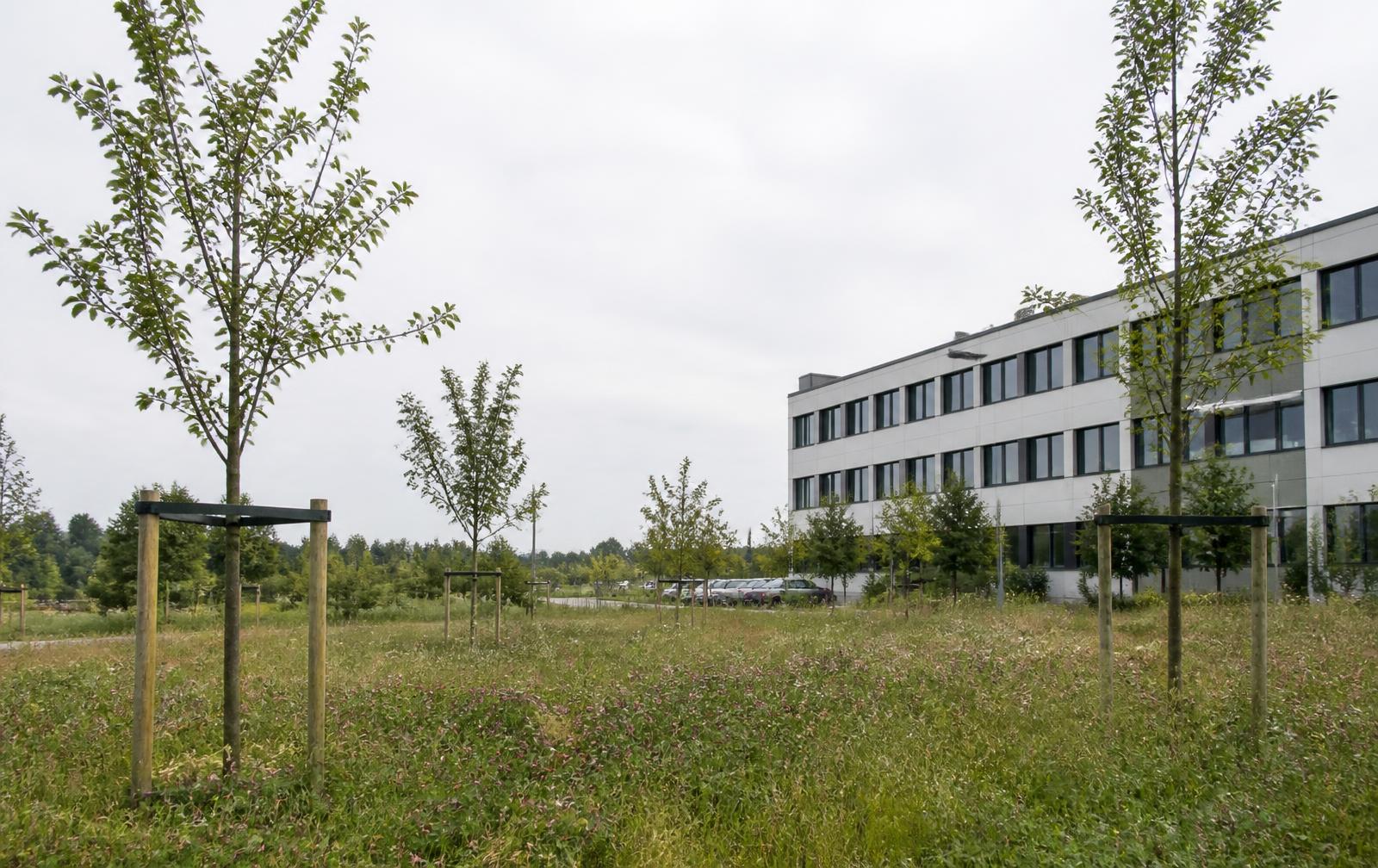
Help plant five quality high-stem fruit trees, with particular attention to old and regional varieties.
Discover this project€ 1.000 — excl. VAT per project and per project year