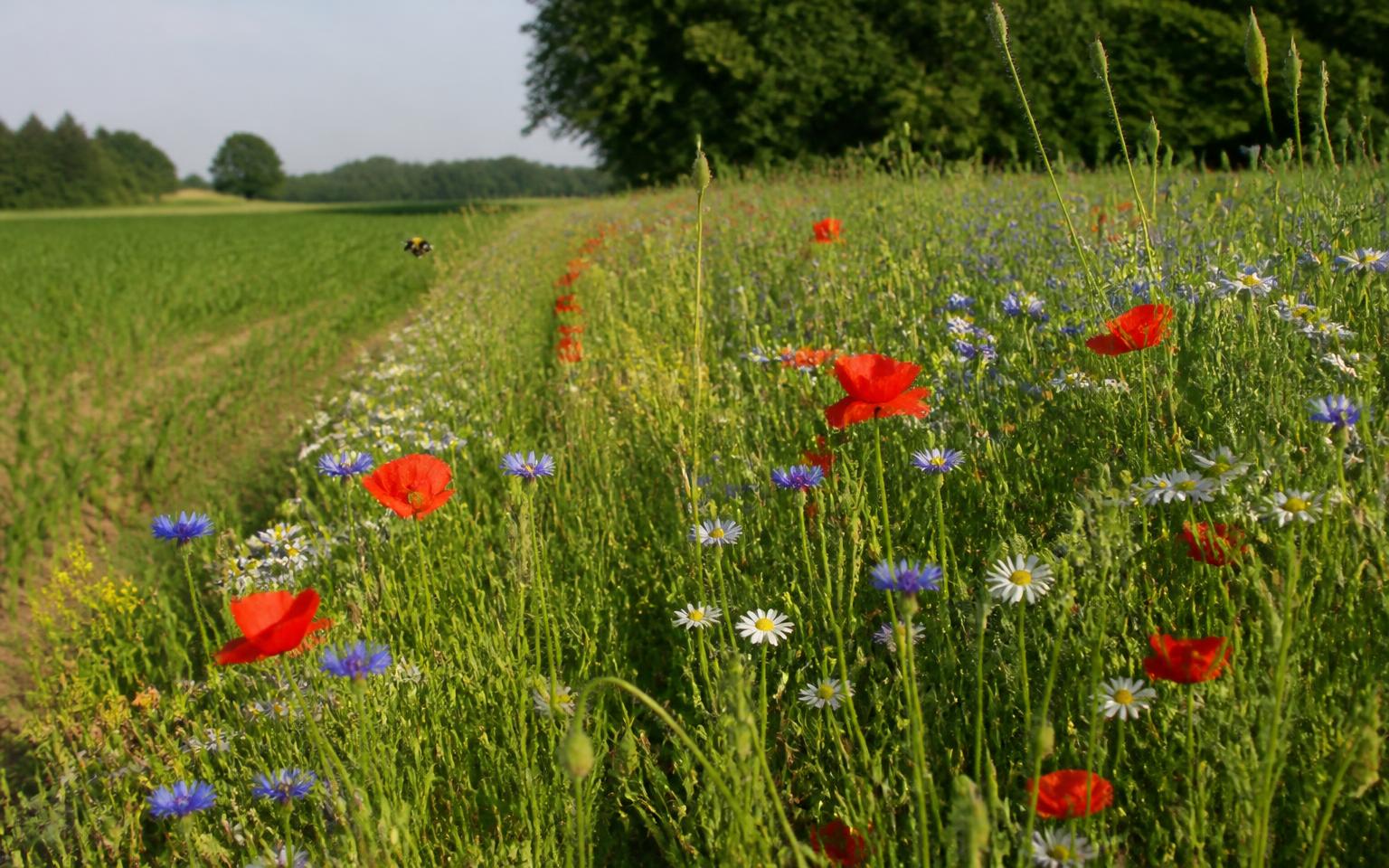
Flower meadows
More flowers, more pollinators, more colour — a food source for wild bees, bumblebees and butterflies.
Discover this projectOur projects
Supply and management of feeding stations that support birds all year round.
en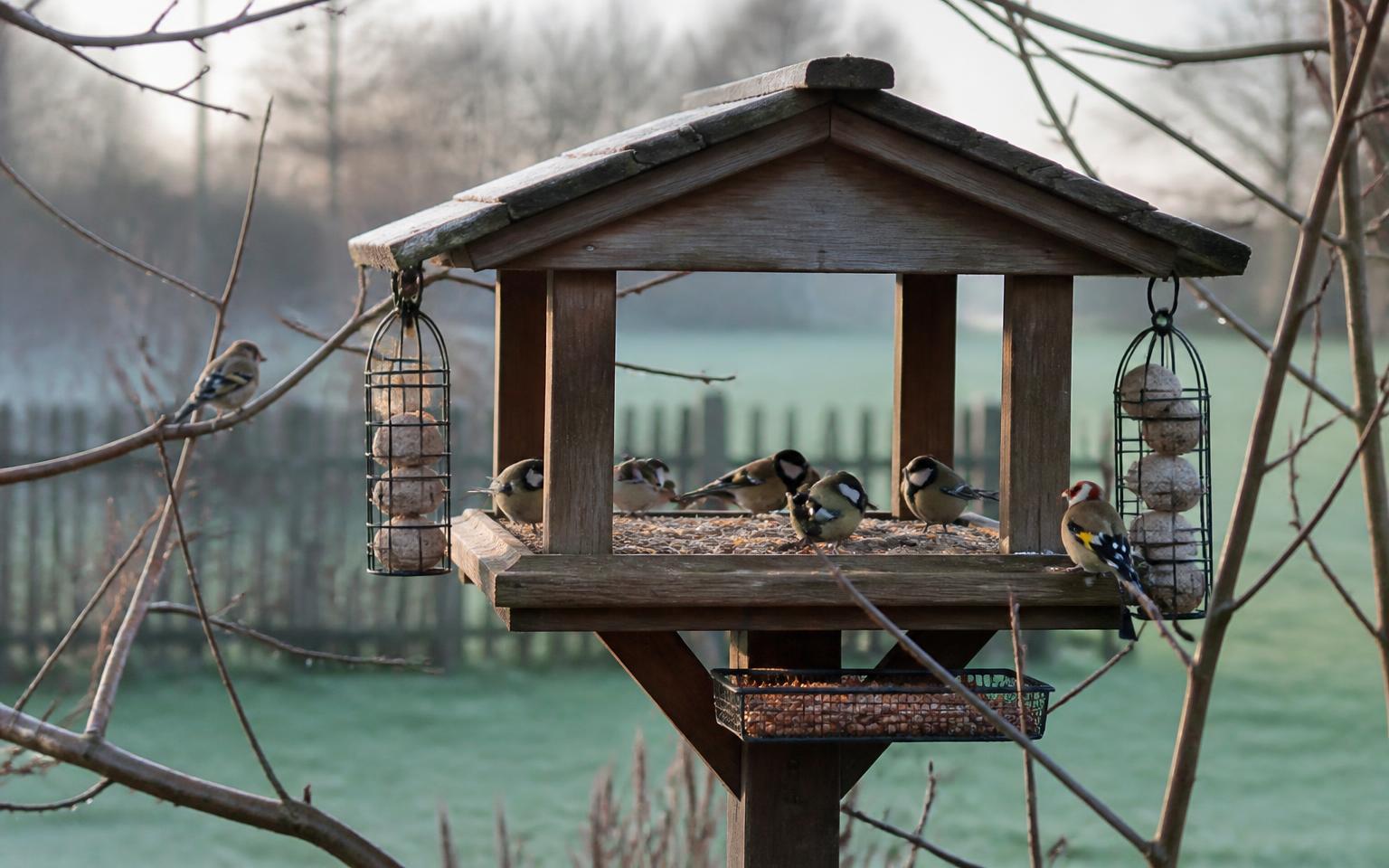
A bird needs more than a safe nesting place. It also needs food. Every single day. During winter. During the breeding season. When chicks are being raised. And when young birds are learning to survive.
That is why KURBI does not limit itself to installing nest boxes. We also want to contribute to a landscape in which birds can find sufficient food all year round.
At strategic locations, KURBI therefore provides permanent bird feeding stations that are replenished throughout almost the entire year.
Birds have different needs in different seasons. During winter, they seek energy-rich food to survive cold nights. In spring, they build up reserves for the breeding season. During summer, many species feed their chicks mainly on insects, but supplementary food sources can also play a local role. In autumn, young birds need to gather enough energy to get through winter. A varied food supply supports birds through these different life stages.
Just like people, birds have different food preferences. That is why KURBI deliberately chooses a varied food offering. Depending on the season, the feeding stations may, among other things, be stocked with sunflower seeds; hulled sunflower seeds; peanuts (unsalted); fat products; suet balls without plastic netting; mealworms; oats; millet; various grains; and special mixes for songbirds.
This variety attracts more bird species than would be the case if only one type of feed were offered.
Depending on the season and location, the following species may, among others, visit the feeding stations:
great tit;
blue tit;
crested tit;
coal tit;
nuthatch;
treecreeper;
robin;
blackbird;
chaffinch;
greenfinch;
goldfinch;
house sparrow;
tree sparrow;
dunnock;
starling;
great spotted woodpecker;
jay;
woodpigeon;
collared dove;
and many other common songbirds.
The actual visitors naturally depend on the surroundings and the natural presence of species.
Not every bird seeks the same food. By offering different types of feed, a much greater diversity of species visits the feeding stations.
KURBI wants to support birds. Not make them dependent. That is why the feeding stations form only one part of a larger biodiversity project. Wildflower meadows attract insects. Wild natural corners provide shelter. Nest boxes provide breeding opportunities. Hedges provide berries. The feeding stations supplement this natural food supply, especially during periods when food is scarcer.
A bird feeding station requires more than occasionally scattering some seed. Within KURBI, the feeding stations are: regularly replenished; kept clean; checked for damage; adapted to the season; stocked with different types of feed; and monitored to safeguard hygiene and animal welfare. This keeps the risk of food waste and disease transmission as low as possible.
For € 1,000 excluding VAT, your business supports, for one year:
the installation and supply of two bird feeding stations;
a varied range of quality feed;
regular checks and maintenance;
replenishment throughout the year;
follow-up and documentation of the project.
Your contribution ensures that birds can rely on a trustworthy supplementary food source for almost the entire year.
For birds: More food during periods when natural food sources are scarce.
For biodiversity: A more varied food supply supports a greater diversity of bird species.
For visitors: Feeding stations provide lively observation points throughout the year, where birds can be watched up close.
For businesses: A visible and recognisable biodiversity project that is easy to visit and whose impact can literally be seen every day.
For the local area: A more bird-friendly landscape in which residents and visitors can once again observe more birds.
🐦 A great tit can lose up to 10% of its body weight per day during winter if it finds insufficient food.
🐦 Tits feed their chicks thousands of insects during the breeding season, underlining the importance of wildflower meadows and insect-rich habitats.
🐦 Sunflower seeds are among the most energy-rich feeds for many songbirds.
🐦 Fat products are an important energy source, especially on cold winter days.
🐦 Clean feeding is at least as important as sufficient feeding. Poor hygiene can spread disease.
Are the birds fed all year round?: Yes. KURBI provides regular supplies throughout the year, adapted to the birds' seasonal needs.
Why different types of feed?: Not all birds eat the same thing. By offering a varied food supply, more species can benefit from the feeding stations.
Do the feeding stations make birds dependent?: No. The feeding stations supplement the natural food supply. At the same time, KURBI invests in wildflower meadows, nest boxes, insect hotels, nature ponds and other measures that strengthen the natural ecosystem.
How is hygiene guaranteed?: The feeding stations are regularly checked and cleaned. Old or contaminated feed is removed and replaced to limit the risk of disease transmission.
Can my business visit the feeding stations?: Yes. As far as the location is accessible, partners can visit the feeding stations and experience for themselves how their contribution supports birds throughout the year.
A bird feeding station may seem simple. Yet it can support dozens of birds every day. Not just once. Not just for one season. But all year round.
In this way, your contribution becomes not a one-off investment, but a visible commitment that makes a difference, day after day, for the local landscape.
Help supply two bird feeding stations with a varied range of quality feed throughout the year.
€ 1,000 excluding VAT per year
External links open in a new tab. KURBI is not responsible for the content of external websites.
More flowers, more pollinators, more colour — a food source for wild bees, bumblebees and butterflies.
Discover this project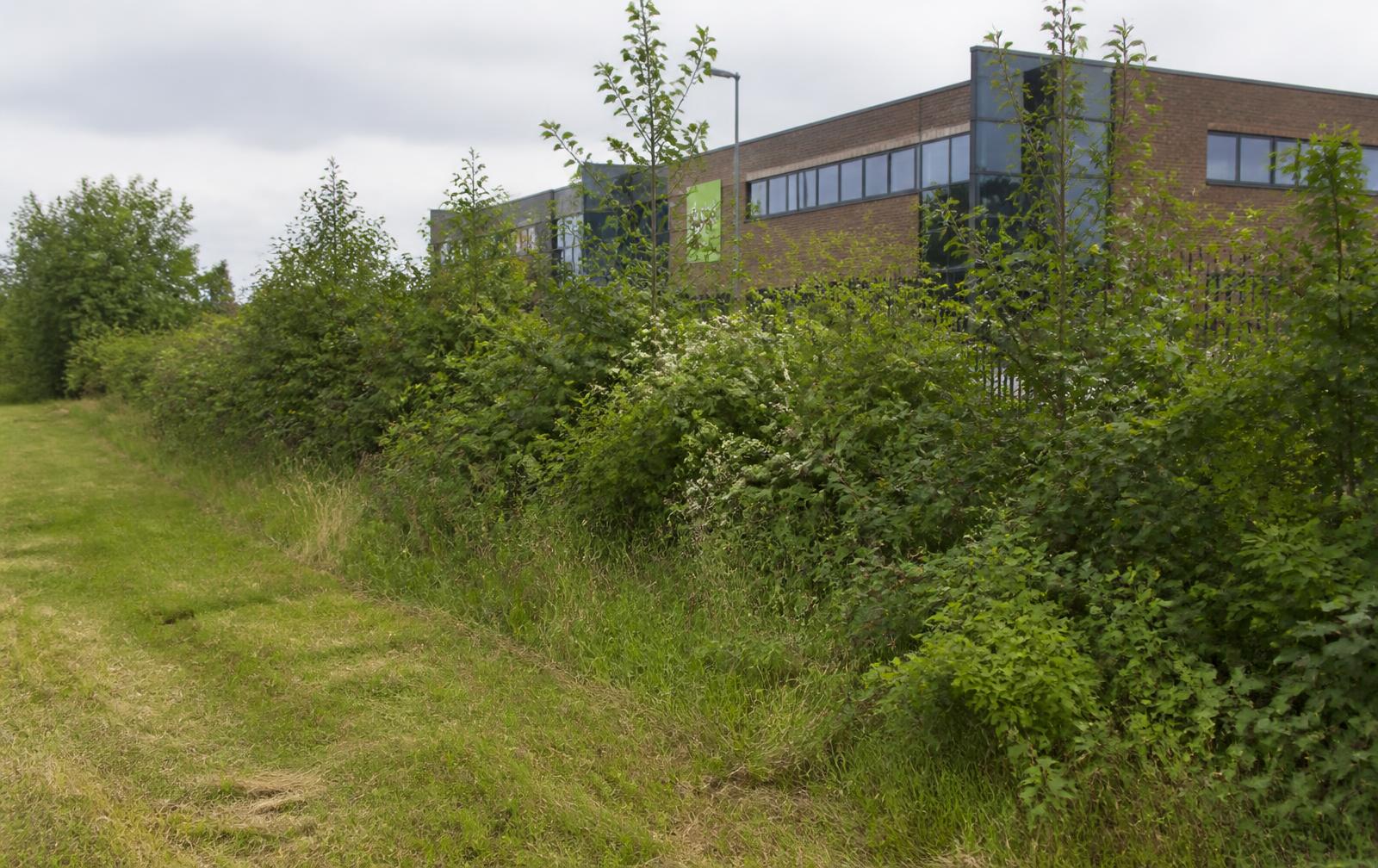
Make roughly 50 metres of new landscape element possible: a varied hedgerow of mainly native shrubs and trees.
Discover this project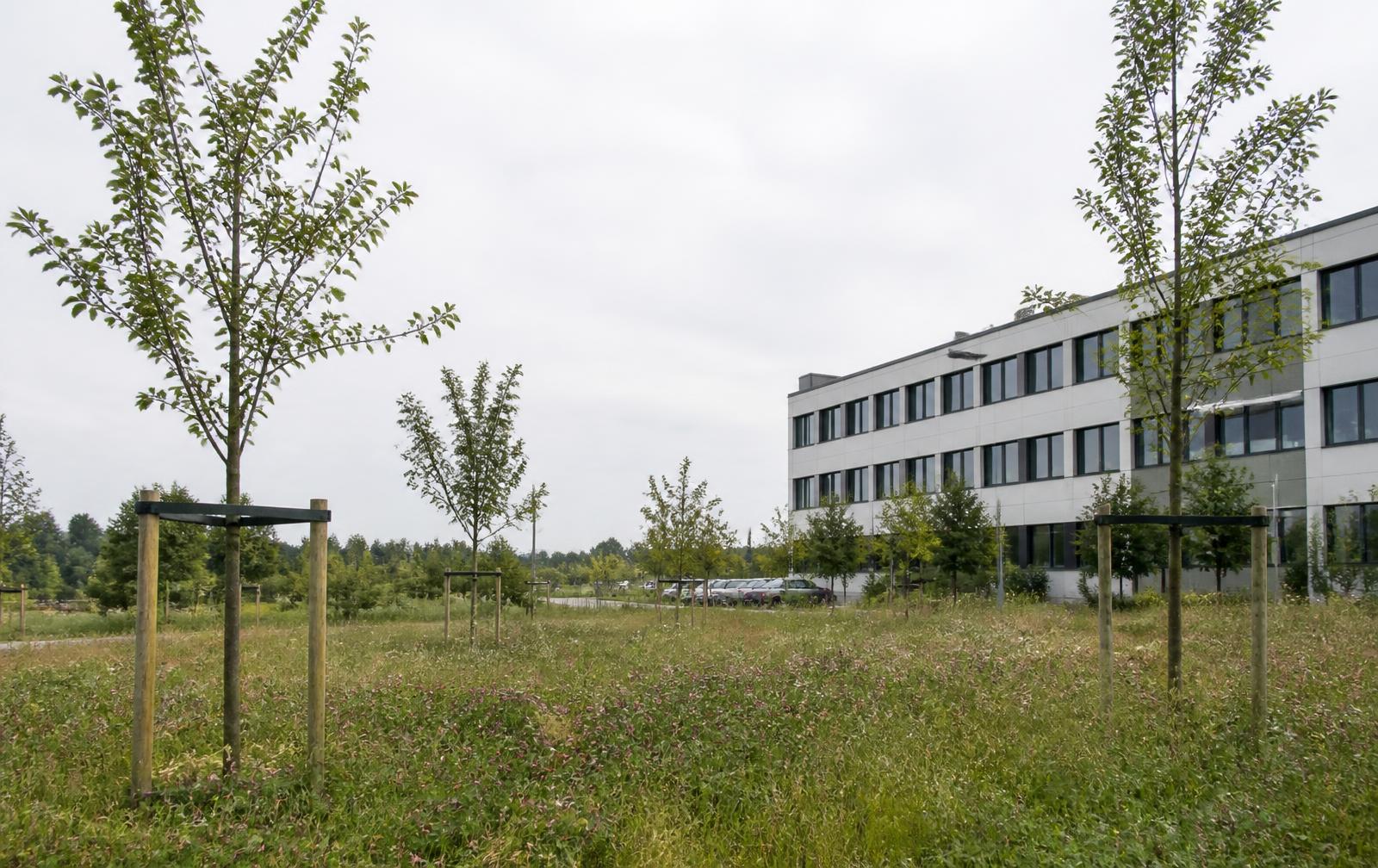
Help plant five quality high-stem fruit trees, with particular attention to old and regional varieties.
Discover this project€ 1.000 — excl. VAT per project and per project year