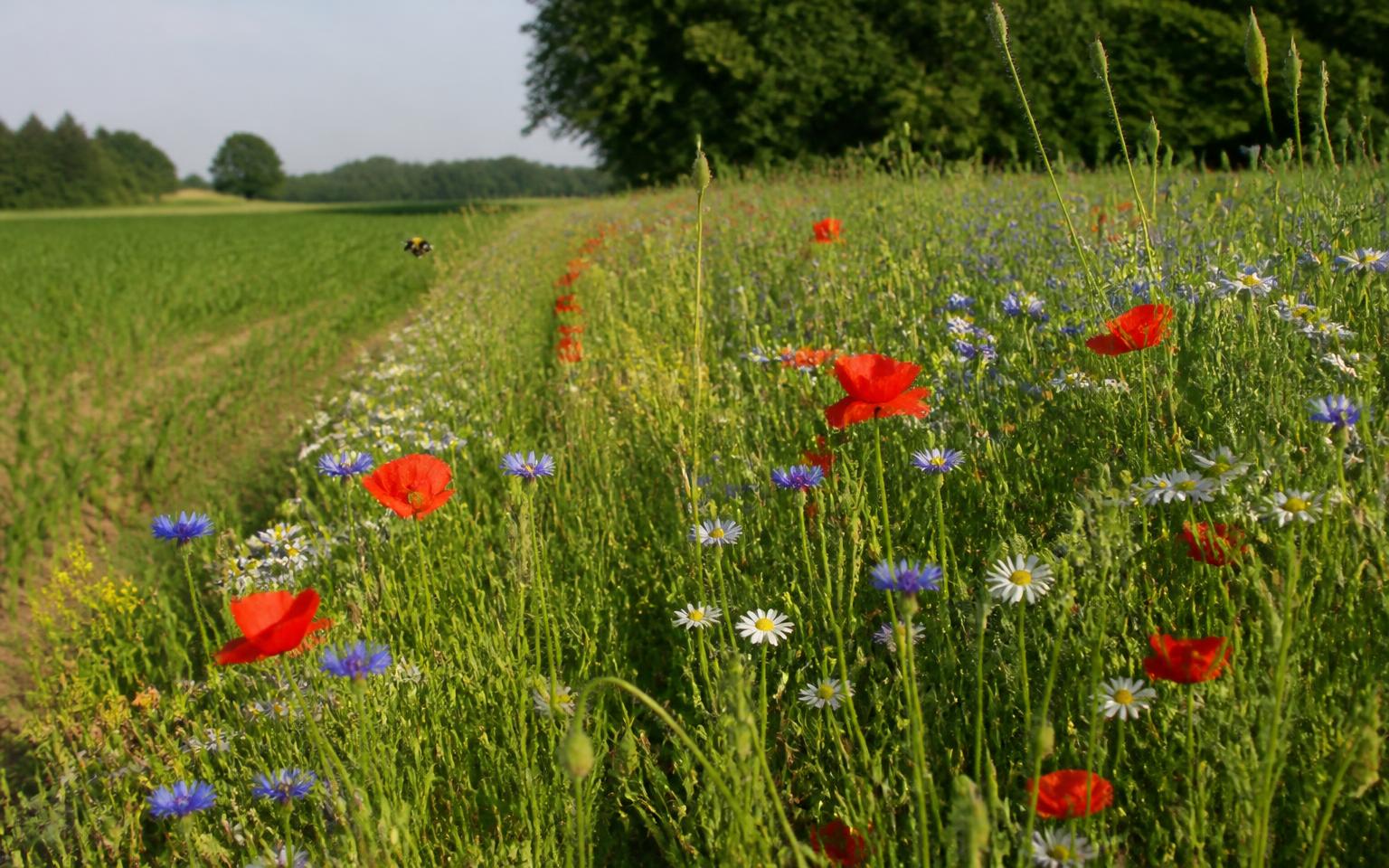
Flower meadows
More flowers, more pollinators, more colour — a food source for wild bees, bumblebees and butterflies.
Discover this projectOur projects
Natural slug control and visible life in the landscape.
en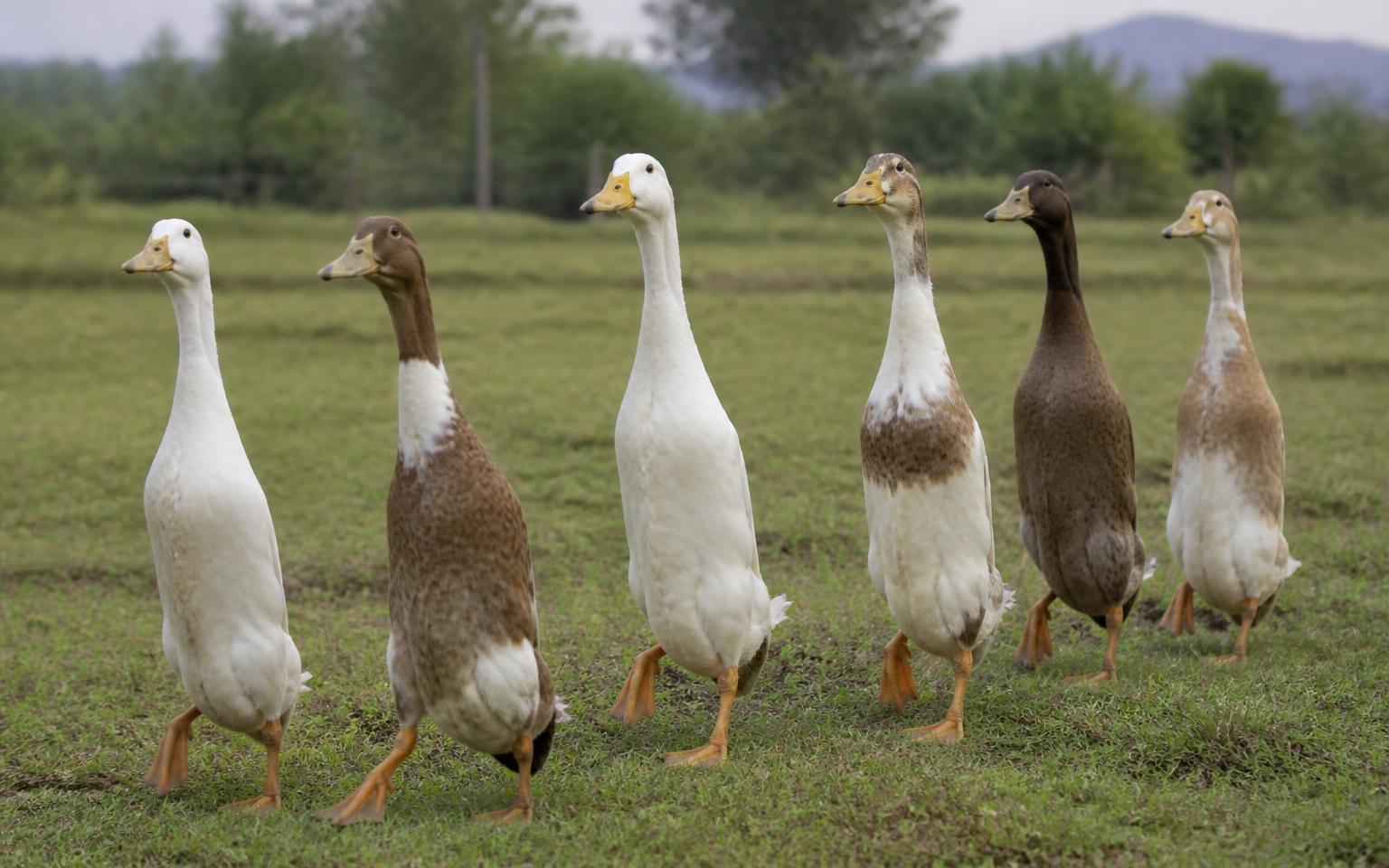
Natural pest control on tall legs
They walk almost upright, move strikingly fast through the landscape and always seem to be on the go. Indian Runner ducks immediately catch the eye. Yet within KURBI, they are given a place not only because of their unusual appearance. They are active foragers that seek out and eat slugs, larvae, insects and other small invertebrates. On suitable sites, they can therefore be deployed as part of a natural and integrated approach to pest control. No chemical treatment. No decorative animal enclosure. Rather, animals that, with respect for their welfare and the carrying capacity of their surroundings, can play a concrete role within the landscape.
Indian Runner ducks are immediately distinguishable from other ducks by their almost vertical posture. Instead of waddling broadly, they walk upright and fairly purposefully.
That build makes them exceptionally mobile. They like to move through grasslands and other open areas in groups, constantly searching for food.
Slugs are among their best-known prey. In addition, they eat larvae, worms, beetles and other small invertebrates. Research also exists into the use of free-ranging ducks, including Indian Runner ducks, for controlling weeds and pest insects in agricultural systems.
Within KURBI, Runner ducks are therefore not presented as a miracle solution, but as a possible ecological pest controller within a broader management system.
Slugs can cause considerable damage to young plants, vegetables and certain crops. Conventional control is often carried out with pellets or other agents that can have unwanted consequences for the environment.
Runner ducks offer a different approach. They actively search for slugs and can help limit their numbers on suitable sites. Practical sources on garden and landscape management also cite Indian Runner ducks as a breed particularly well suited to controlling slugs and snails.
This does not mean that ducks can simply be released anywhere. Young or vulnerable plants can be trampled or eaten. Their deployment must therefore be tailored to the nature of the site, the season, the plants present, the size of the group and the desired management outcome.
Runner ducks do not eat only harmful species. Other insects and invertebrates can also form part of their diet. Overly intensive or ill-considered use could therefore also have adverse effects on local insect populations and natural food chains. Some practical ecological sources explicitly warn that Runner ducks, besides slugs, can also eat beneficial insects.
KURBI therefore deliberately avoids the message that Runner ducks "restore biodiversity" or solve all pest problems. Their added value lies in a carefully balanced combination of natural pest control; reduced dependence on chemical agents; grazing and foraging behaviour; support for local agriculture; and a visible landscape experience.
The ducks form one link within a broader whole of wildflower meadows, ponds, wild corners, nesting opportunities and adapted land management.
Runner ducks make biodiversity visible. Walkers see them moving across the site in groups. Their upright posture and energetic behaviour make them instantly recognisable. As a result, they can introduce visitors to nature in an accessible way.
KURBI wants to make the animals visible at selected locations along or near walking routes, without compromising their rest and safety.
A Runner duck is not a maintenance-free solution. The animals need care every day. They live socially and are therefore kept in groups. In addition, they need sufficient space to move; permanent access to clean drinking water; water in which they can clean their bill and eyes; suitable feed; shelter from bad weather; a dry and safe resting place; protection against foxes and other predators; daily checks and veterinary care when needed.
Although Runner ducks do not necessarily need a large swimming pond, they must always have access to enough water to be able to display normal, healthy behaviour.
For € 1,000 excluding VAT per year, your business supports, for one year, the care and exhibition of ten Indian Runner ducks within the KURBI project.
The partnership contributes to, among other things, suitable housing and fencing; daily feed; drinking and cleaning water; bedding and maintenance of the enclosure; daily monitoring and care; protection against predators; limited veterinary costs; land management and relocation where necessary; follow-up and photo documentation; and safe visibility along a walking route.
The contribution therefore does not only cover the purchase or presence of the animals. It mainly funds the responsible management needed throughout a full year.
Do Runner ducks really eat slugs?: Yes. Indian Runner ducks are known as active foragers that eat, among other things, slugs and snails. Practical effectiveness does depend on the location, vegetation, weather conditions and the way the animals are deployed.
Can the ducks roam freely?: Only in locations that are suitable and safely fenced. They are protected from traffic, predators and situations in which they might cause damage or be put at risk themselves.
Do they damage plants?: This is possible. Runner ducks scratch the soil less intensively than chickens, but can trample young plants or eat certain vegetables. Their access to vulnerable areas is therefore restricted.
Do Runner ducks need a pond?: They do not necessarily need a large swimming pond, but they do need permanent clean drinking water and enough water to clean their bill, nostrils and eyes. Where possible, space to bathe is also provided.
Help make possible, for one year, the care and responsible deployment of ten Indian Runner ducks in a suitable local setting.
€ 1,000 excluding VAT per year
First-year update 2025–2026
Read what we did and learned for this project on our test site next to the Velpestraat in Bierbeek.
Read the updateOur Indian Runner ducks on the test site in Bierbeek, summer 2026.
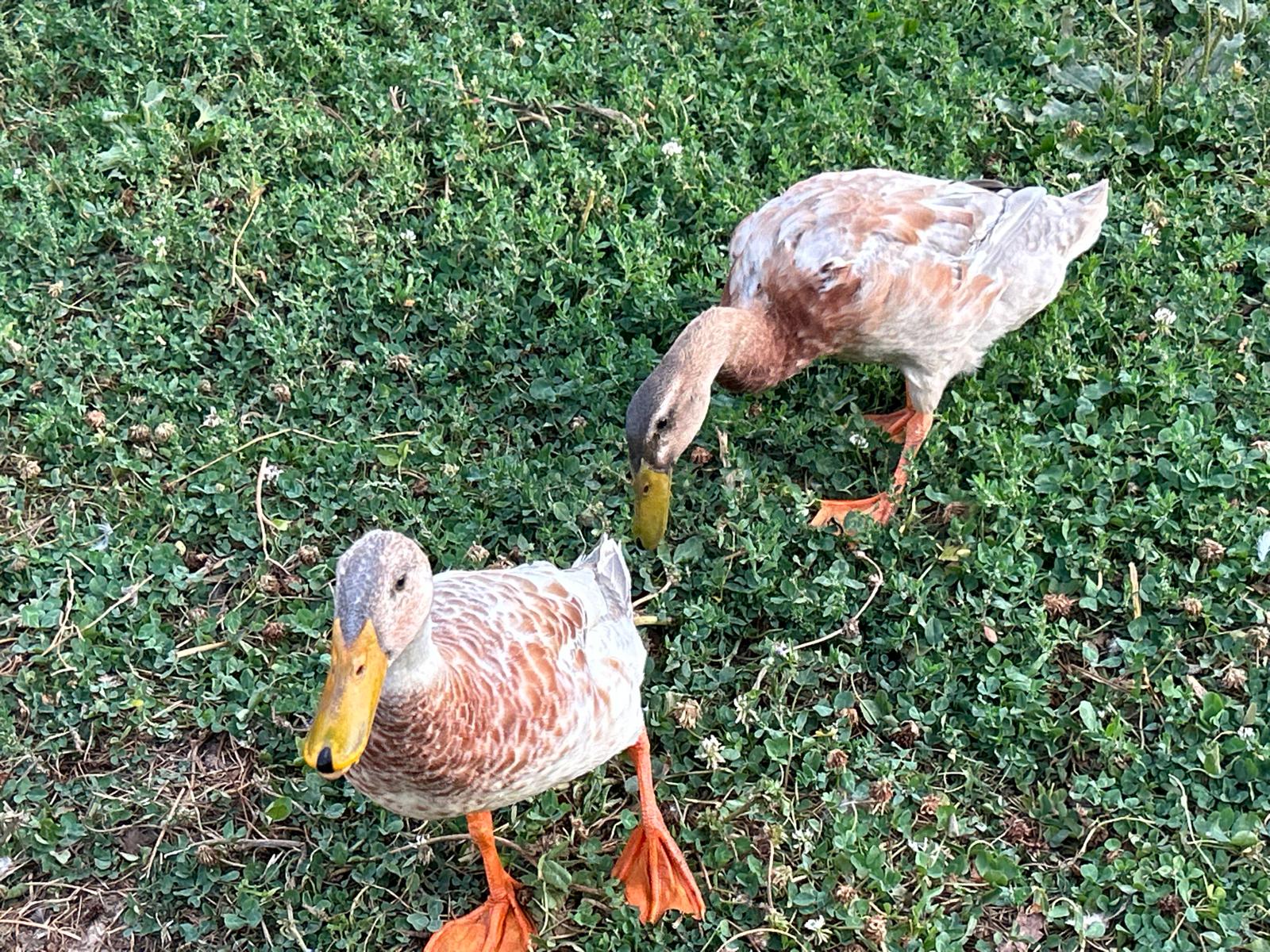
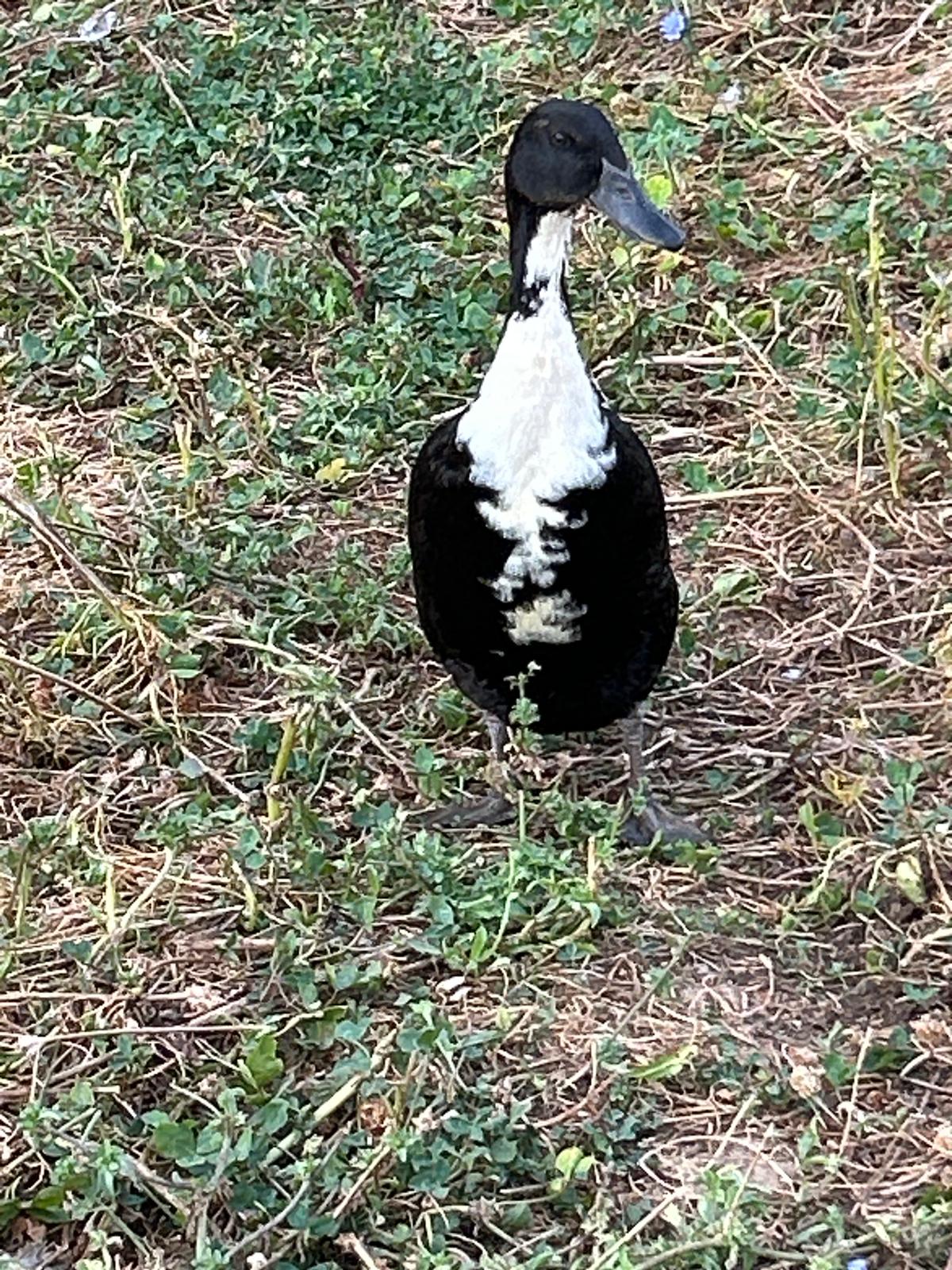
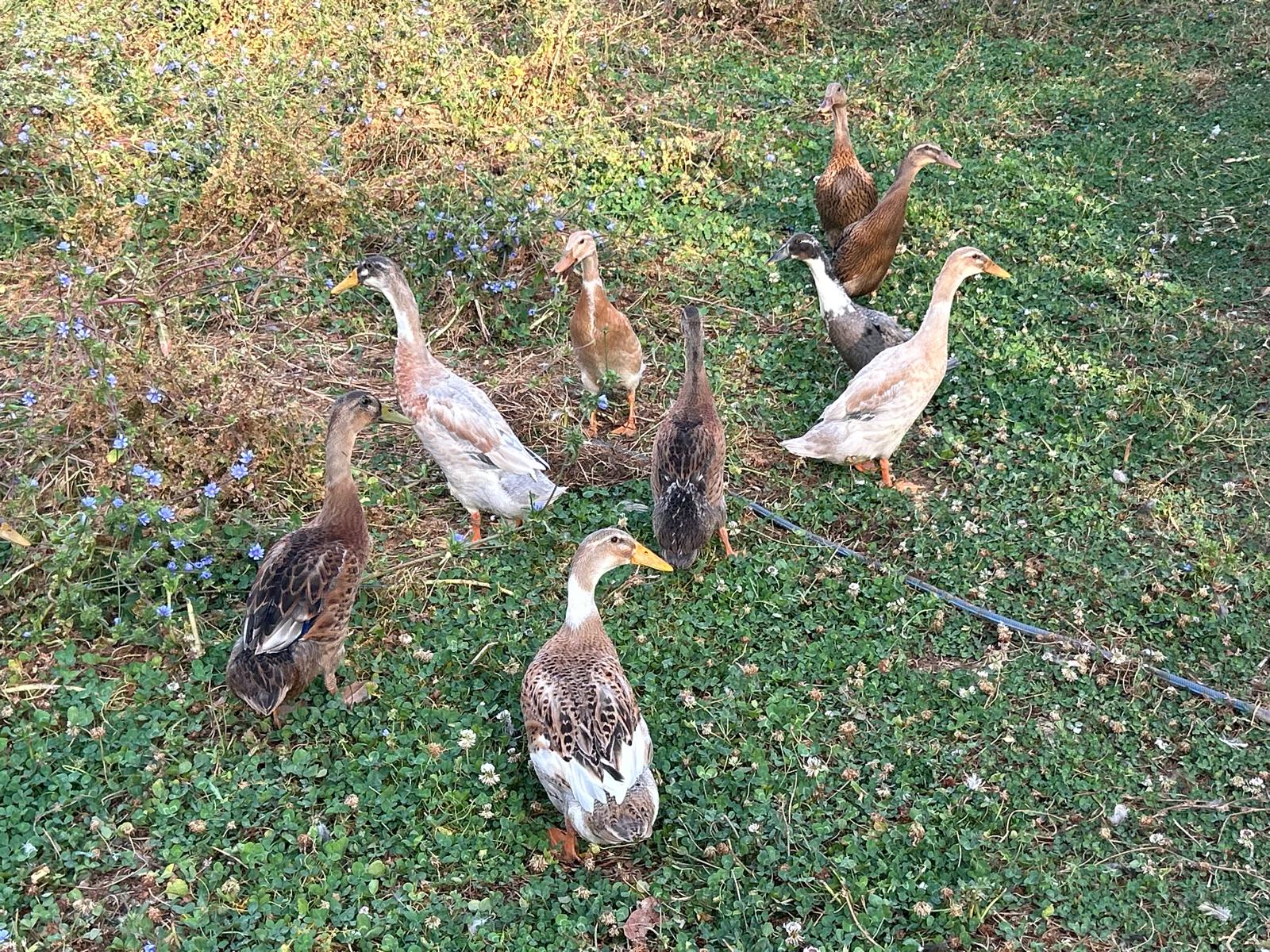
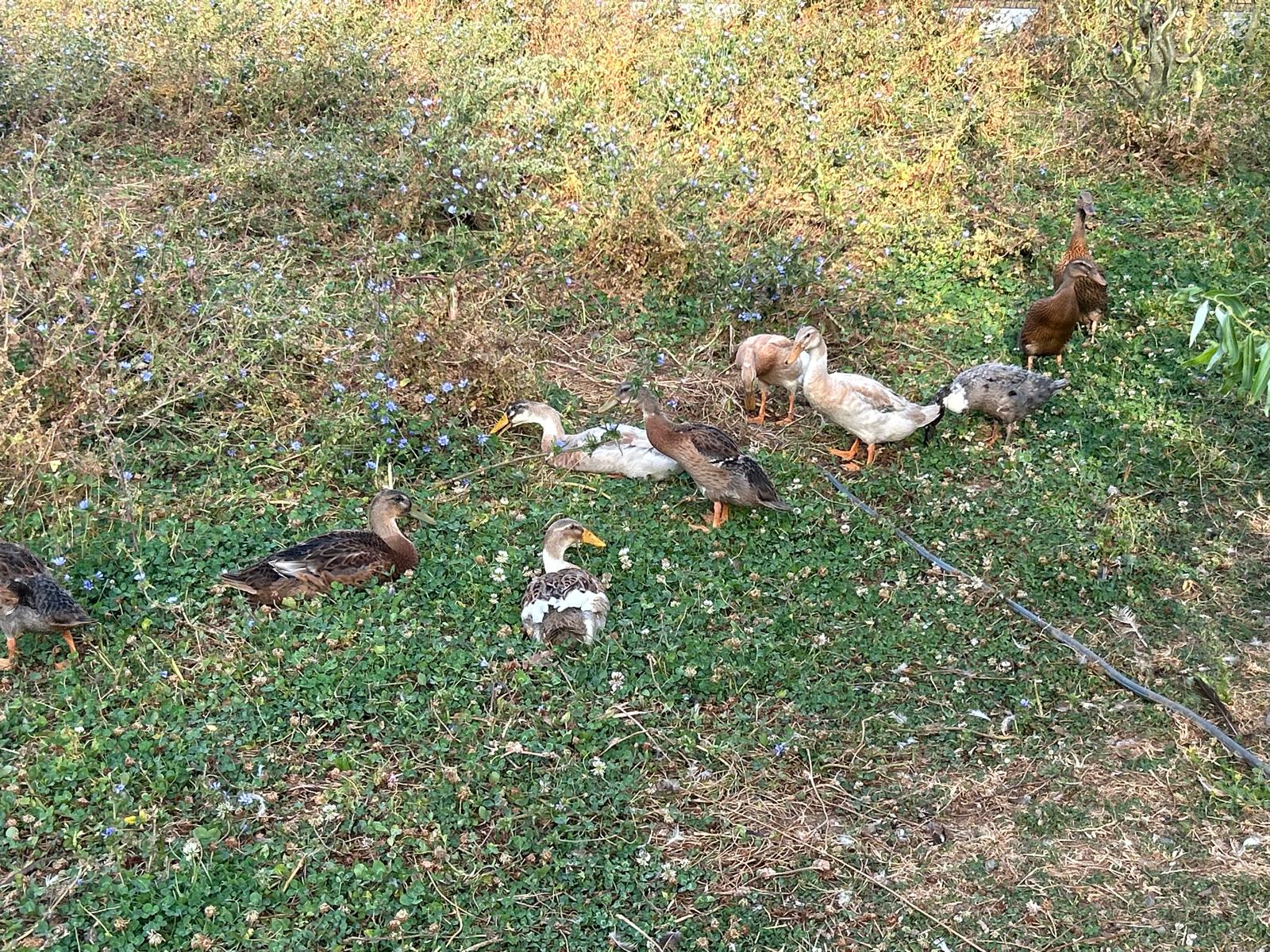 View all 5 photos →
External links open in a new tab. KURBI is not responsible for the content of external websites.
More flowers, more pollinators, more colour — a food source for wild bees, bumblebees and butterflies.
Discover this project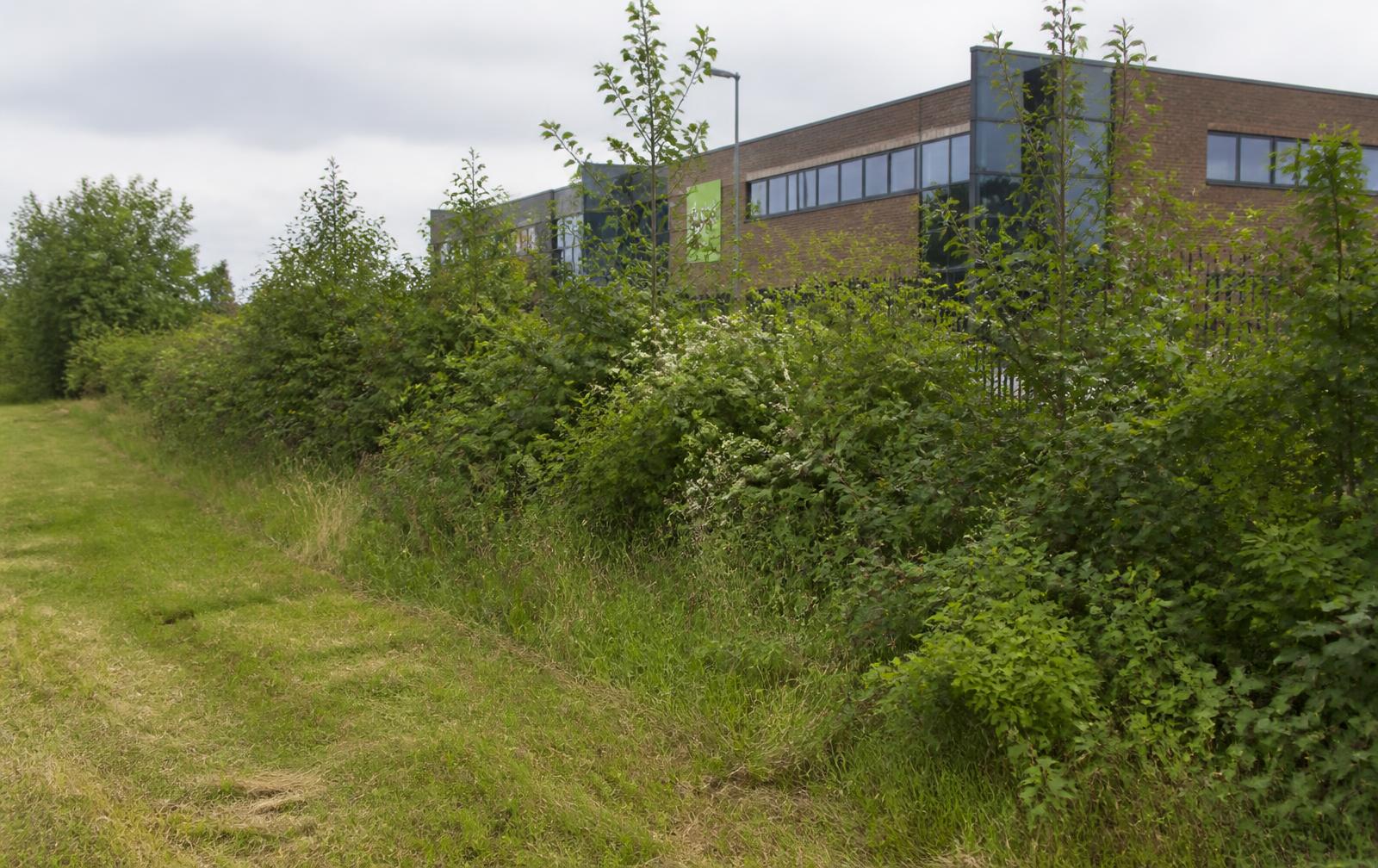
Make roughly 50 metres of new landscape element possible: a varied hedgerow of mainly native shrubs and trees.
Discover this project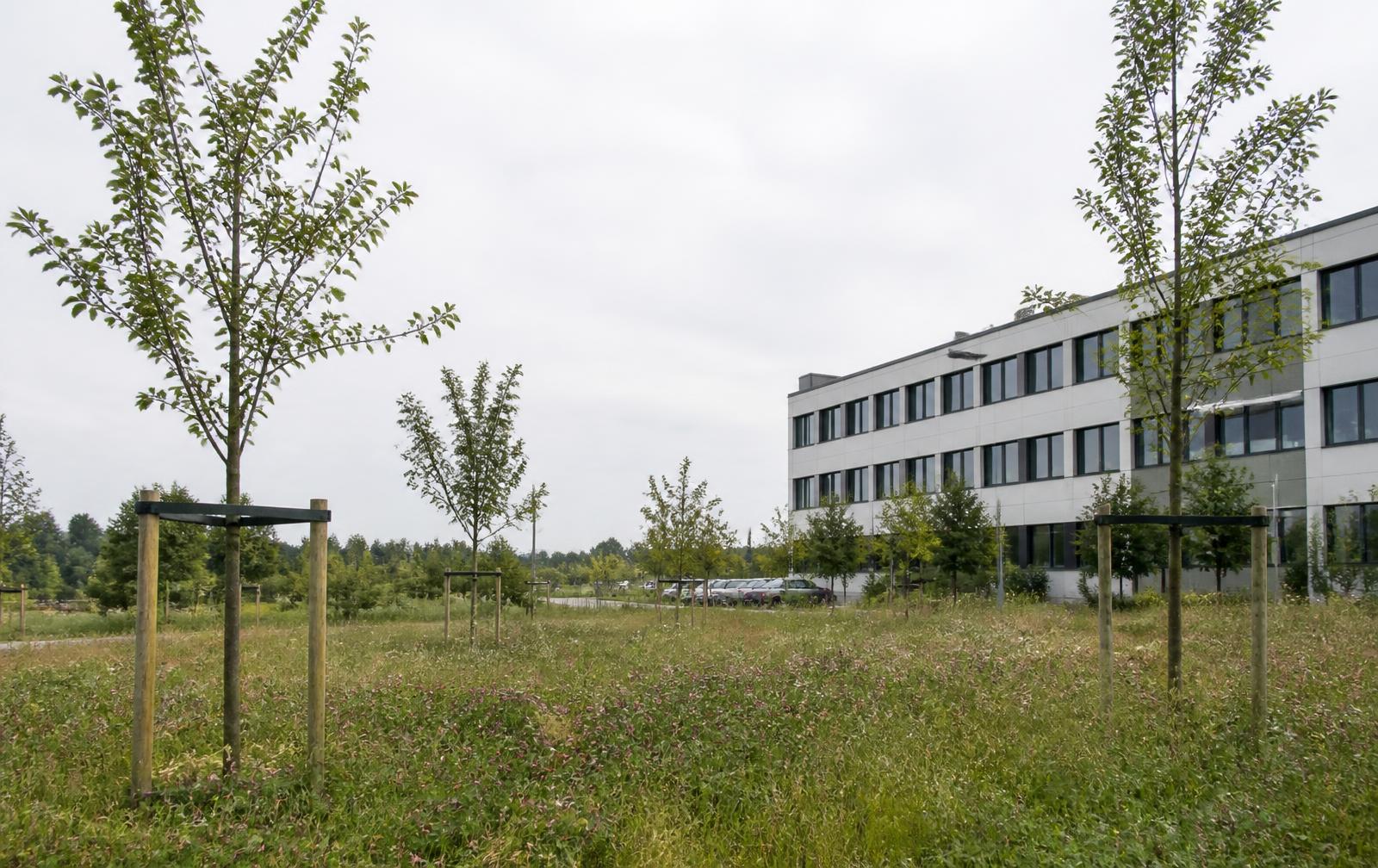
Help plant five quality high-stem fruit trees, with particular attention to old and regional varieties.
Discover this project€ 1.000 — excl. VAT per project and per project year